




(Photo by NastyaSensei via Pexels)
By Stephen Beech
Cheese helps stave off dementia, suggests a new study.
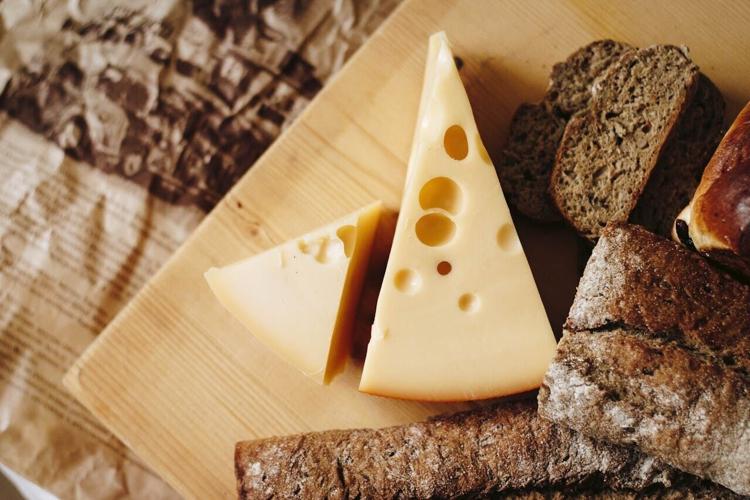
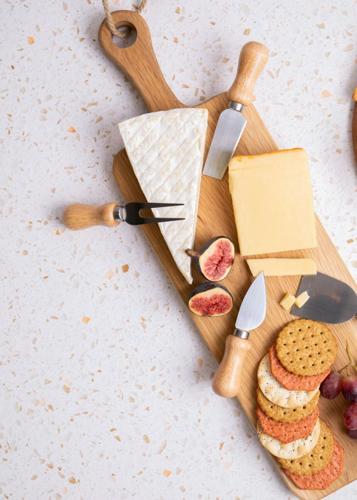
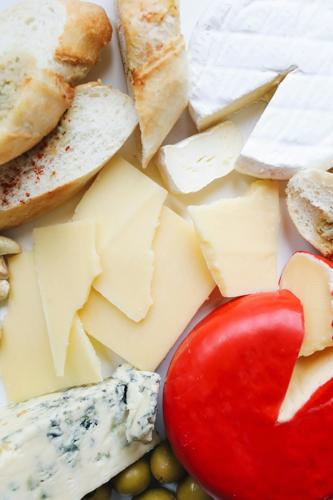
Researchers found a link between eating more high-fat cream and high-fat cheeses - such as cheddar, brie or gouda - and a lower risk of developing the debilitating condition.
People who ate 50 grams or more of high-fat cheese - containing more than 20% fat - had a 13% lower risk of dementia than those eating less than 15 grams daily, according to the Swedish study.
People who consumed 20 grams or more of high-fat cream daily had a 16% lower risk of dementia than those who consumed none.
High-fat creams usually contain 30% to 40% fat and include whipping cream, double cream and clotted cream. They are often labelled as “full-fat” or “regular” versions in shops.
No association was found for low-fat dairy products, butter, milk or fermented milk, which includes yoghurt, kefir and buttermilk.
The researchers emphasized that the study, published in the journal Neurology, does not prove that eating high-fat cheese and high-fat cream lowers the risk of dementia, it only shows an association.

(Photo by Karola G via Pexels)
Professor Emily Sonestedt, of Lund University in Sweden, said: “For decades, the debate over high-fat versus low-fat diets has shaped health advice, sometimes even categorizing cheese as an unhealthy food to limit.
“Our study found that some high-fat dairy products may actually lower the risk of dementia, challenging some long-held assumptions about fat and brain health.”
Researchers analyzed data from 27,670 people in Sweden with an average age of 58 at the start of the study.
They were followed for an average of 25 years. A total of 3,208 participants developed dementia during the study.
The participants kept track of what they ate for a week and answered questions about how often they ate certain foods during recent years.
They also talked with researchers about how they prepared their food.
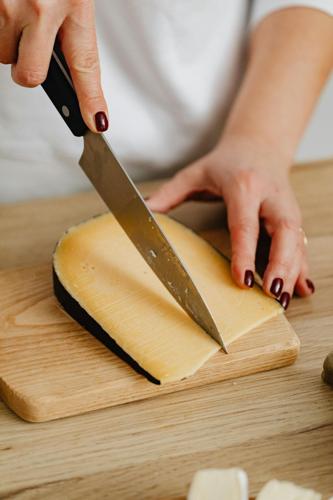
The research team compared people who ate 50 grams or more of high-fat cheese daily to people who ate less than 15 grams daily. For example, 50 grams of cheese is about two slices of cheddar or half a cup of shredded cheese and is around 1.8 ounces.


(Photo by Georgie Devlin via Pexels)
A typical serving of cheese is one ounce. Of those who ate more high-fat cheese, 10% developed dementia by the end of the study. Of those who ate less, 13% developed dementia.
After adjusting for age, sex, education and overall diet quality, the research team found that people who ate more high-fat cheese had a 13% lower risk of developing dementia compared to those who ate less.
When looking at specific types of dementia, they found people who ate more high-fat cheese had a 29% lower risk of vascular dementia.
Researchers also found a lower risk of Alzheimer’s disease among those who ate more high-fat cheese, but only among those not carrying the APOE e4 gene variant - a genetic risk factor for Alzheimer’s disease.
The team also compared people who consumed 20 grams or more of high-fat cream daily to people who consumed none.
For example, 20 grams of high-fat cream is about 1.4 tablespoons of heavy whipping cream. A recommended serving is about one-to-two tablespoons.
After similar adjustments, researchers found that those who consumed high-fat cream daily had a 16% lower risk of dementia compared to those who consumed none.

(Photo by Polina Tankilevitch via Pexels)
No associations were found between dementia risk and eating low-fat cheese, low-fat cream, high- or low-fat milk, butter or fermented milk, which includes yogurt, kefir and buttermilk.
The team says further research is needed to explore whether consuming certain high-fat dairy offers some level of protection for the brain.
Sonestedt said: “These findings suggest that when it comes to brain health not all dairy is equal.
“While eating more high-fat cheese and cream was linked to a reduced risk of dementia, other dairy products and low-fat alternatives did not show the same effect."
She added: "More research is needed to confirm our study results and further explore whether consuming certain high-fat dairy truly offers some level of protection for the brain.”
Sonestedt noted that in Sweden, cheese is often eaten uncooked, while in the United States, cheese is often heated or eaten with meat.
She says it is important that studies also be conducted in the United States.


(0) comments
Welcome to the discussion.
Log In
Keep it Clean. Please avoid obscene, vulgar, lewd, racist or sexually-oriented language.
PLEASE TURN OFF YOUR CAPS LOCK.
Don't Threaten. Threats of harming another person will not be tolerated.
Be Truthful. Don't knowingly lie about anyone or anything.
Be Nice. No racism, sexism or any sort of -ism that is degrading to another person.
Be Proactive. Use the 'Report' link on each comment to let us know of abusive posts.
Share with Us. We'd love to hear eyewitness accounts, the history behind an article.