




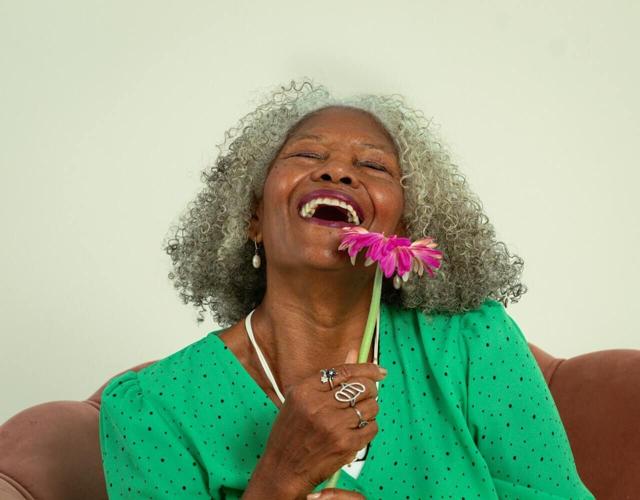

(Photo by Vlada Karpovich via Pexels)
By Stephen Beech
Older people report fewer recent regrets than young adults, according to new research.
Feelings may mellow as we grow older as age and the passage of time shape how we feel about our past decisions, suggests the study.
The findings also show that, although older and younger adults report a similar number of long-term regrets, older people experience less anger and frustration when they think about those mistakes and missed chances.
The research, published in the journal Emotion, highlights how both age and time shape our emotional responses to past decisions.
Study lead author Julia Nolte said: "Regrets are incredibly common.

(Photo by Tima Miroshnichenko via Pexels)
"Almost all of us experience big regrets in our personal and professional lives — from marrying the wrong person to never finishing college.
"The good news is that for many of us, the experience of regret seems to become less negative with age."
The research team surveyed 90 American adults ages 21 to 89, asking them to list up to five recent regrets from the past year and five long-term regrets.


Participants were then asked to focus on their most significant long-term regret and most significant recent regret, describing and rating those in detail.
They rated the regrets on factors such as how long ago they occurred, what emotions they evoked and how controllable they felt — how much they felt they could do to manage the regret, either by changing their decision or by changing how they felt about it.
Participants also described how they were coping with those regrets and how they might handle similar situations in the future.

(Photo by Giovanna Kamimura via Pexels)
The researchers found that older adults reported fewer and less emotionally intense recent regrets.
They also discovered that older adults tended to regret "missed chances" — times when they failed to act — more often than they regretted taking a wrong action.
Nolte, of Tilburg University in the Netherlands, said more work is needed to understand exactly why aging changes the experience of regrets or whether the differences may reflect generational shifts rather than age differences.
She says further research could also explore whether regret fulfills the same psychological purpose for younger and older adults.
Nolte added: "It is assumed that regret helps us make better choices moving forward.
"But older adults may derive other benefits from regret, such as a chance to reflect or look for meaning."


(0) comments
Welcome to the discussion.
Log In
Keep it Clean. Please avoid obscene, vulgar, lewd, racist or sexually-oriented language.
PLEASE TURN OFF YOUR CAPS LOCK.
Don't Threaten. Threats of harming another person will not be tolerated.
Be Truthful. Don't knowingly lie about anyone or anything.
Be Nice. No racism, sexism or any sort of -ism that is degrading to another person.
Be Proactive. Use the 'Report' link on each comment to let us know of abusive posts.
Share with Us. We'd love to hear eyewitness accounts, the history behind an article.