




(Photo by Andrea Piacquadio via Pexels)
By Stephen Beech
A healthy breakfast every day, regular exercise and a good night's sleep is the best combination to beat stress, according to new research.
Scientists say healthy habits help build "psychological flexibility" - the ability to adapt thoughts, emotions, and behaviors to changing situations in a balanced and constructive way.
Instead of getting mentally “stuck” when stress hits, the American study shows that psychologically flexible people can step back, process their emotions, and respond constructively.
Lead author Professor Lina Begdache said: “You might know someone who stays cool under pressure.

(Photo by Kampus Production via Pexels)
“The kind of person who misses a flight and, instead of panicking, calmly adapts to the situation.
"This person may still feel stressed, but they’re better able to manage it through psychological flexibility.
“People may say that these are resilient people, but they also have what’s called psychological flexibility.
"They’re able to change the way they think about the situation and then use brain resources to handle the stress.”

Lina Begdache, Assistant Professor of Health and Wellness Studies at the Decker College of Nursing and Health Sciences. (Jonathan Cohen / Binghamton University via SWNS)
Begdache and her colleagues at Binghamton University Decker College of Nursing and Health Sciences in New York, conducted an anonymous survey of around 400 college students.
The participants were asked questions about their diet, sleeping habits and exercise frequency.
The findings showed that consistent healthy habits - such as regular exercise and eating breakfast - enhance psychological flexibility, which in turn strengthens mental resilience and helps individuals cope with stress.


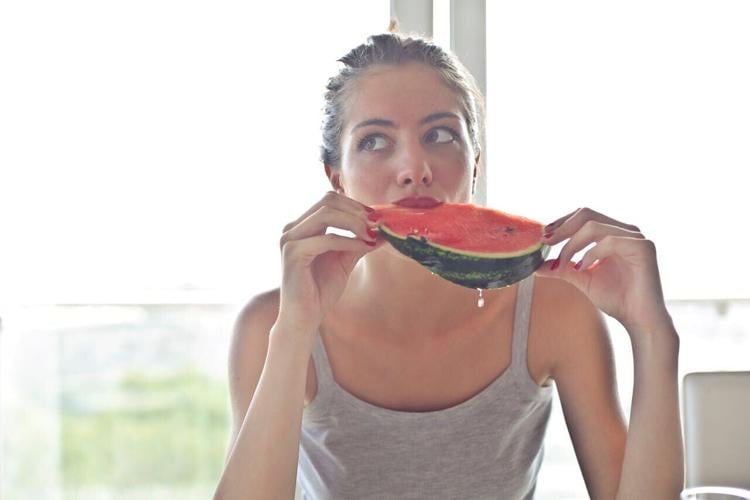
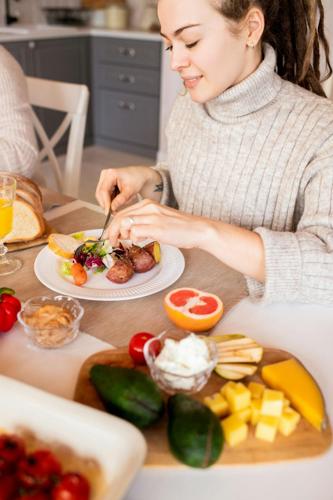
Eating breakfast five or more times a week was associated with increased resilience through psychological flexibility processes, according to the study published in the Journal of American College Health.
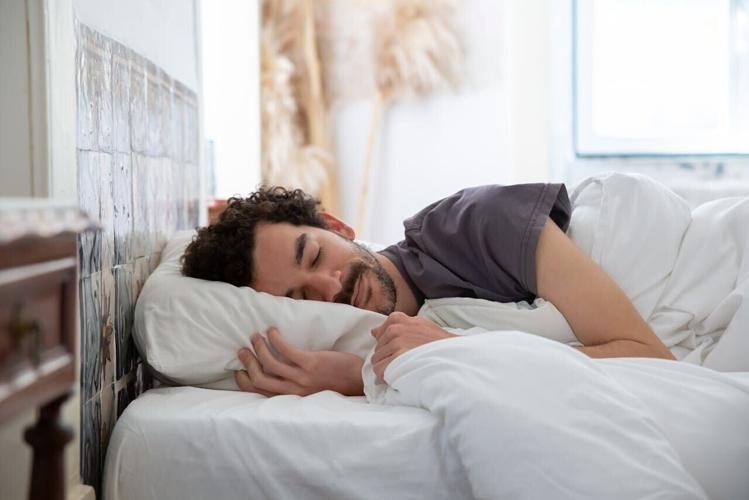
But people who sleep less than six hours tended to have less resilience and less psychological flexibility.

(Photo by Alexy Almond via Pexels)
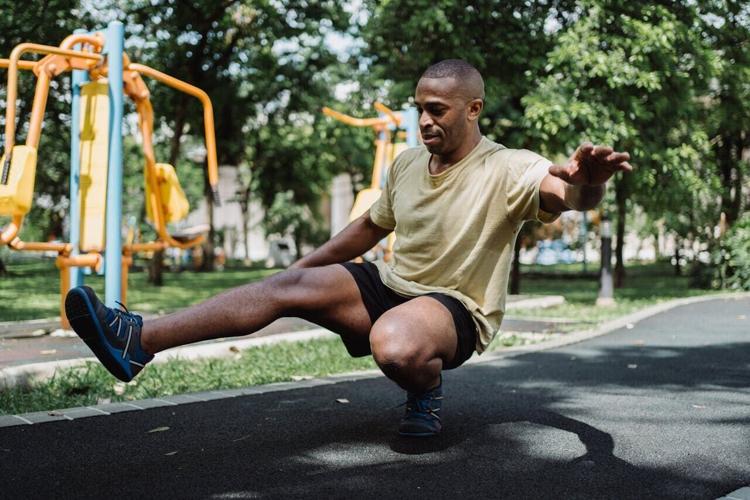
Exercise, even 20 minutes or more, was associated with psychological flexibility and resilience, while taking fish oil several times a week can help with psychological flexibility.
In contrast, low psychological flexibility - or rigidity in thinking and behavior - was associated with poor habits such as fast-food consumption and insufficient sleep.
Begdache explained that psychological flexibility allows a person to “step back” and use their brain’s resources to better understand and process their emotions.
And people can have more flexibility if they follow certain improvements in their diet and lifestyle.
Begdache said: “When we’re under stress, we feel like we fuse with the stress. We live the stress.
"But psychological flexibility is like stepping back and thinking, ‘I feel this because of that. What can I do?’

(Photo by Ketut Subiyanto via Pexels)
"Identifying your emotions sometimes helps you find the solution for these emotions.
Her earlier research found that high-quality diets boost resilience while poor diets reduce it.
Begdache said the latest study adds a critical piece - psychological flexibility is the pathway through which diet and lifestyle shape resilience.
She added: “The new finding is that diet and lifestyle don’t just make you resilient by themselves.
"They help you build the psychological flexibility, which, in turn, makes you a resilient person.”


(0) comments
Welcome to the discussion.
Log In
Keep it Clean. Please avoid obscene, vulgar, lewd, racist or sexually-oriented language.
PLEASE TURN OFF YOUR CAPS LOCK.
Don't Threaten. Threats of harming another person will not be tolerated.
Be Truthful. Don't knowingly lie about anyone or anything.
Be Nice. No racism, sexism or any sort of -ism that is degrading to another person.
Be Proactive. Use the 'Report' link on each comment to let us know of abusive posts.
Share with Us. We'd love to hear eyewitness accounts, the history behind an article.