


Each year, toward the tail end of winter, New Hampshire maple producers fire up their evaporators in preparation for maple season. Starting in February and lasting about six weeks, maple season is the only time of year when sap from Red Maples and Sugar Maples can be collected and boiled down into maple syrup. This long-standing tradition has been enjoyed for hundreds of years and stems from the Native Americans who boiled down the sap from maple trees into solid sugar. Though the technology used to both collect and boil sap has changed significantly throughout the years, crafting maple syrup is still a huge undertaking for producers, and there are many steps to the process. The Brooks Family Sugarhouse sent in some great photos to help give a little insight into the process.
Tapping trees
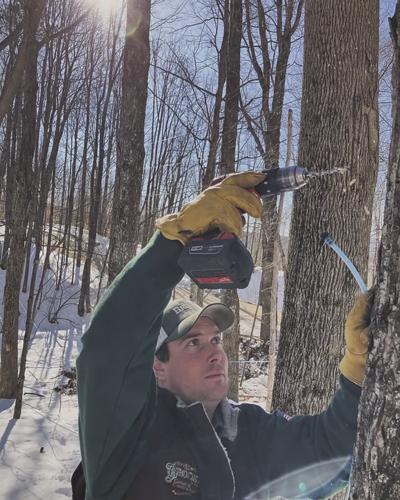
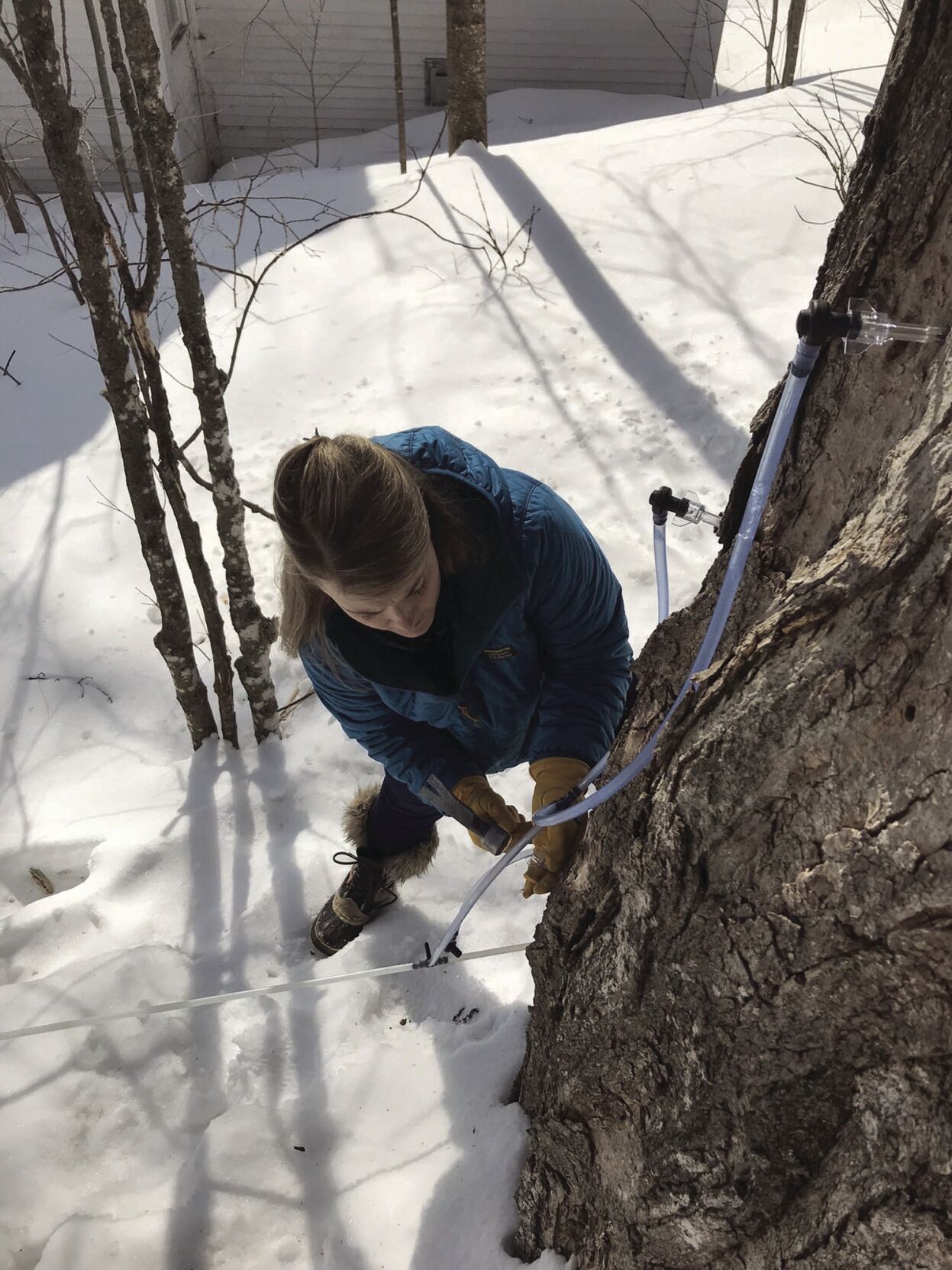
In the months of January and February, producers venture out into the cold, drill in hand, to tap maple trees. Each tree can take one to three taps, depending on the size of the tree, its health, and how many times the tree has previously been tapped. Once the trees are tapped, they are connected via a long line of hollow tubing, which collects the sap and brings it down to a single collection point, though smaller operations may still use buckets attached to each tap to collect sap.
Collecting sap
Throughout the summer, maples build their sap reserves through the process of photosynthesis, where light is converted into chemical energy. The result of this process is the sweet-tasting sap, which is then stored in the root system of the tree. As spring inches closer and the days begin to warm, this sap travels from the roots to the rest of the tree. At night, when temperatures drop, sap once again flows back down to the roots. This cycle is what allows maple producers to collect sap and is also why climate remains a huge factor in the duration of maple season.
Boiling sap
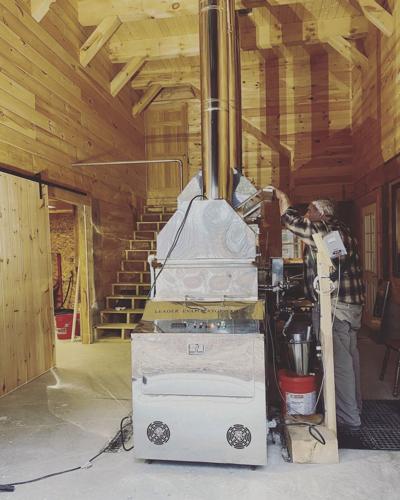
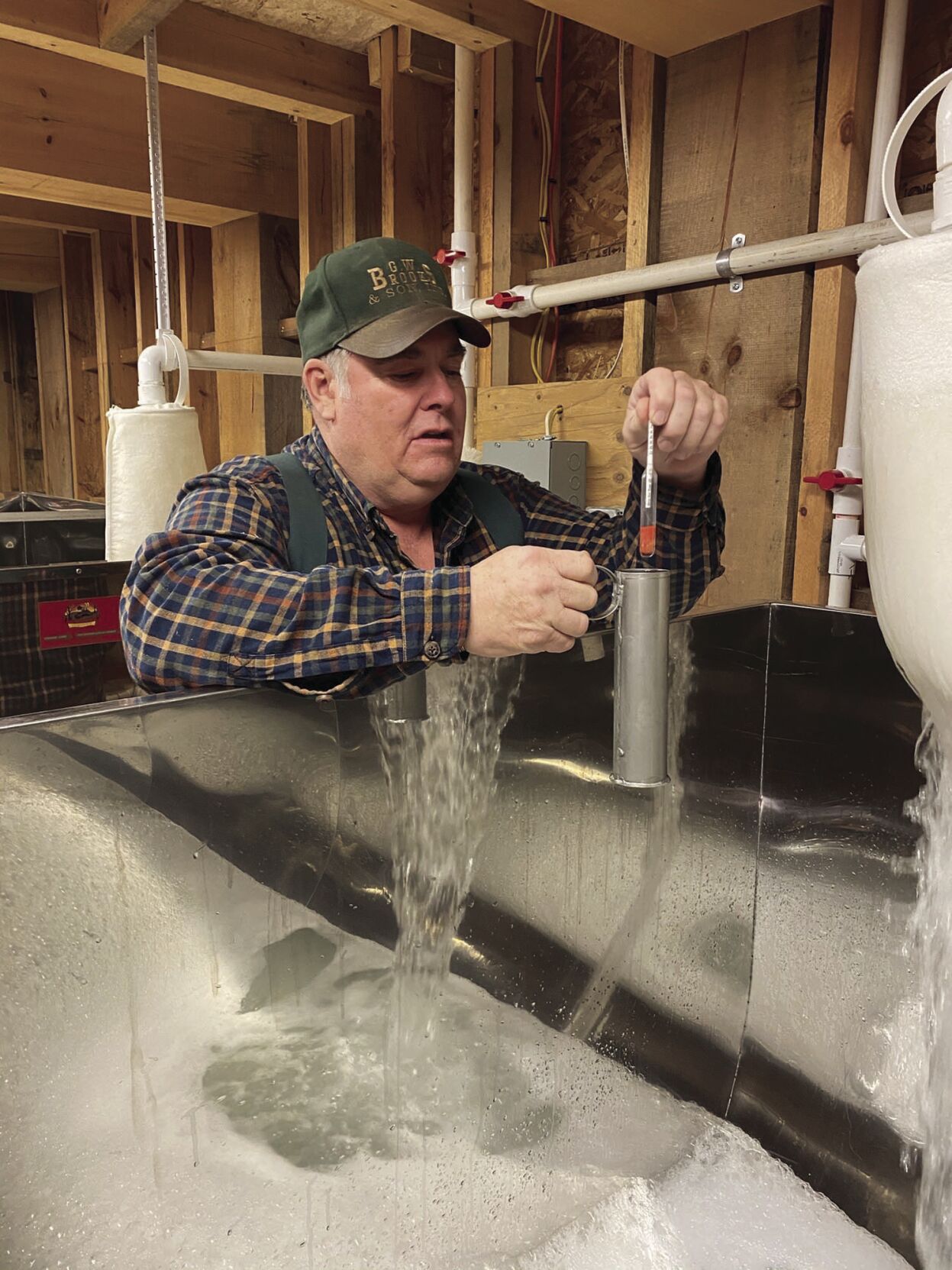
Once enough sap is collected, it is gathered and brought to a sugar shack. From there, it is filtered and moved to an evaporator, where it is boiled until the sugar content of the sap reaches 66% to 68% on the Brix scale. This process takes hours and can even last days, depending on the scale of the operation. Additionally, through the evaporation of water content, the amount of sap is gradually reduced; this is why, on average, it takes a minimum of 40 gallons of sap to make one gallon of syrup.


(0) comments
Welcome to the discussion.
Log In
Keep it Clean. Please avoid obscene, vulgar, lewd, racist or sexually-oriented language.
PLEASE TURN OFF YOUR CAPS LOCK.
Don't Threaten. Threats of harming another person will not be tolerated.
Be Truthful. Don't knowingly lie about anyone or anything.
Be Nice. No racism, sexism or any sort of -ism that is degrading to another person.
Be Proactive. Use the 'Report' link on each comment to let us know of abusive posts.
Share with Us. We'd love to hear eyewitness accounts, the history behind an article.