





Can simply feeling cozy help you sleep better? A case study
This winter, Americans aren’t just bracing for colder days — they’re leaning all the way into them.
According to a new Naturepedic-commissioned study of 2,000 U.S. adults conducted by Talker Research, two in three people said they wish they could “hibernate like a bear the entire winter.” It’s clear that JOMO — the joy of missing out — is having a moment.
86% of respondents said they love the idea of getting as cozy as possible during the season, fully embracing what the Danes call “hygge”: the art of intentional coziness. Yet even with that enthusiasm, most people feel their homes aren’t reaching their full cozy potential. Respondents rated their current setup just a 6.5 out of 10, and 71% believe their home could feel much cozier with the right touches.
But why is hygge having a moment? And are Americans cozying up their homes? Here’s what Naturepedic learned.
What Truly Makes Us Feel Cozy in Winter?
The research reveals just how seriously Americans take the comfort season.
On average, people plan to spend 56 out of the winter’s 90 days dedicated entirely to getting cozy. And they have a very clear idea of what that means.
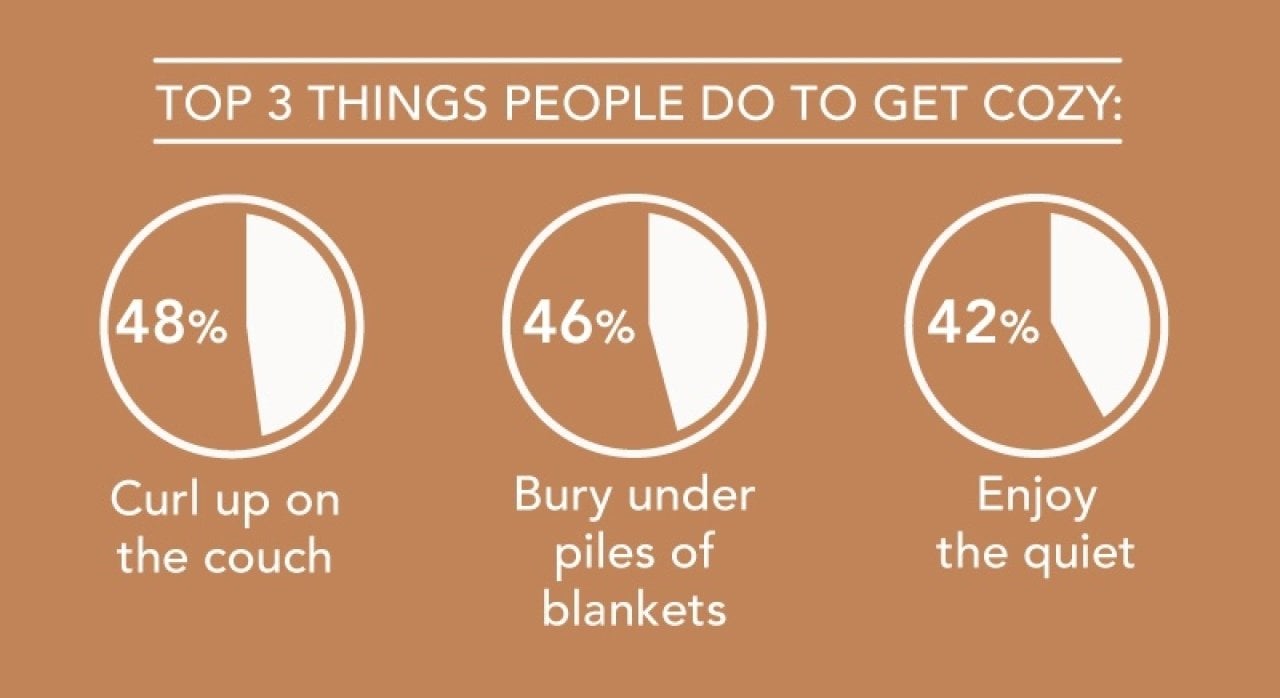
Many described coziness as curling up on the couch, layering on blankets, enjoying the quiet, sleeping in or making a warm drink like coffee, tea or hot chocolate. Others associate it with not leaving the house at all, listening to the rain or snow outside, lighting candles, putting on relaxing music or spending unrushed time with family.
Entertainment has a strong cozy identity, too. A third of respondents said winter is their time to catch up on TV shows or YouTube videos, especially comfort classics like Friends, Gilmore Girls, any Hallmark movie, Law & Order, 90-Day Fiancé and Grey’s Anatomy.
The desire for comfort goes so deep that nearly three in four people admitted they would cancel social plans if they felt too cozy to leave the house.
Does Feeling Cozy Actually Improve Sleep?
Beyond mood and mood lighting, the study uncovered a major connection between coziness and sleep quality.
Two-thirds of Americans say weekends are the best time to get truly cozy, and peak coziness hits at around 3 p.m. Once people settle in, it takes only 48 minutes for them to feel fully relaxed.
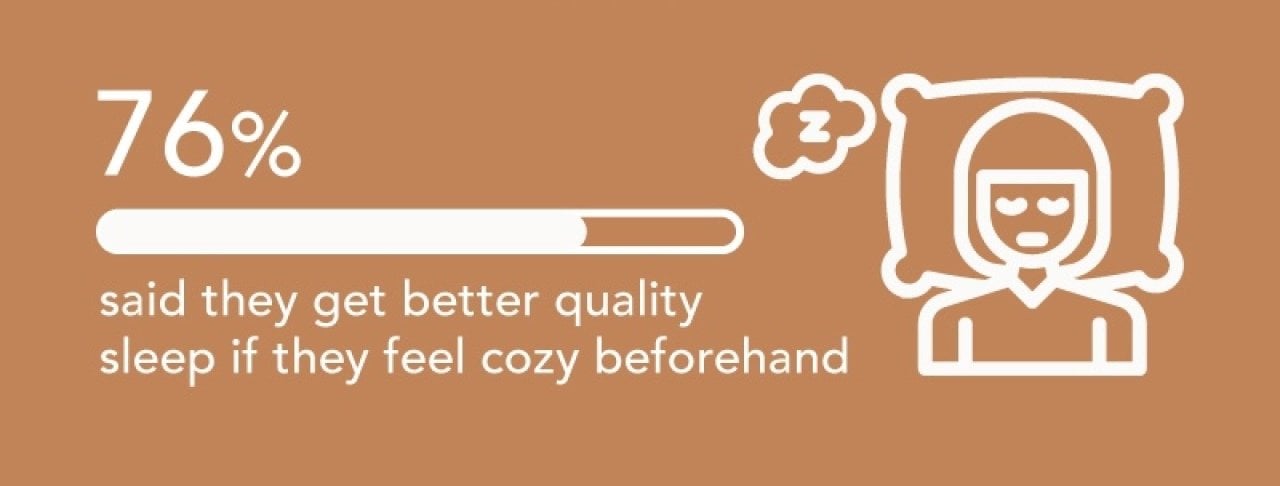
This relaxed state has real sleep benefits. Seventy-six percent of respondents said they get better quality sleep if they feel cozy beforehand. Seventy-five percent reported staying asleep longer, and 72% said they wake up feeling more refreshed after going to bed in a cozy state. And nearly seven in ten believe that a good night of sleep is what helps them brave the coldest winter days.
How to Hygge Your Home This Winter: Cozy Home Ideas
Wondering how to get cozy? From the data, a clear picture emerges of what makes Americans feel truly at ease during the colder months, and much of it happens at home.
People gravitate toward familiar cozy essentials: soft lighting, warm drinks, quiet rooms, thick socks, flannel pajamas and the simple joy of curling up under layers of blankets. Pets tucked in close, fireplaces glowing (real or virtual) and a good show or book all help create that sense of winter calm.
And because so many cozy rituals happen in the spaces where we rest and unwind — the bedroom, living room and even the bathroom — linens play a surprisingly big role in shaping these winter moments.
It starts with how you make your bed. Plush bedding, layered textures, warm duvets and inviting sheets set the scene for better mornings and deeper sleep. In the living room, oversized throw blankets make couch time feel more indulgent, whether you’re reading, watching TV or simply enjoying the quiet. Even bath time can get an upgrade in winter, with thick towels and soft robes that turn your everyday reset routine into something warm, soothing and restorative.


Winter may be cold, dark and long, but for many Americans, it’s becoming the season of intentional comfort, slow mornings, soft layers and reconnecting with what (and who) makes home feel warm. Across the home, thoughtfully chosen linens help make these cozy moments possible and keep the feeling going all season long.
TL;DR: Quick Answers to Your Cozy Questions
What is “hygge,” and why is it associated with winter?
Hygge is a Danish concept centered around comfort, warmth and simple pleasures. It’s often linked to winter because colder temperatures and shorter days naturally encourage people to spend more time indoors and create environments that feel calm, soft and inviting.
How does winter affect sleep and melatonin levels?
Shorter days and longer periods of darkness can shift the body’s internal clock, leading to earlier melatonin production. This often makes people feel sleepier in the late afternoon and more inclined to rest during winter months.
What is the ideal bedroom temperature for sleep in winter?
The optimal sleep temperature for most people is between 60-67°F. Cooler bedding and bedrooms support the body’s natural drop in core temperature at night, which is important for falling asleep and staying asleep.
What activities make people feel the coziest?
Common responses included:
- Curling up on the couch (48%)
- Layering blankets (46%)
- Enjoying quiet time (42%)
- Sleeping in (41%)
- Sipping warm drinks (40%)
- Lighting candles (35%)
- Listening to relaxing music (34%)
- Putting on thick socks (33%)
- Watching favorite shows (33%)
- Spending time with loved ones (33%)
- Lighting the fireplace (32%)
Many respondents also said that staying home during cold or rainy weather enhances the cozy feeling.
Does feeling cozy affect sleep quality?
Yes. Many participants (76%) reported that feeling physically comfortable and mentally relaxed before bed helps them fall asleep more easily, stay asleep longer and wake up feeling more refreshed. Creating a peaceful, warm environment can support more restorative sleep.
What time of day do people feel their peak coziness?
The study found that people tend to feel the coziest on weekends, with peak coziness hitting around 3 PM. This often aligns with slower afternoon routines like reading, resting or watching TV.
Why do natural or organic materials matter for a cozy sleep environment?
Natural materials such as organic cotton, wool or latex tend to be breathable and temperature-regulating, which helps prevent overheating or discomfort during winter. These materials can also contribute to a cleaner sleep environment by reducing exposure to unnecessary chemicals.
How does mattress comfort impact sleep quality in winter?
A comfortable mattress can support better rest year-round, but it may feel especially important in winter when people spend more time in bed. Supportive layers, pressure relief and breathable materials help maintain comfort as temperatures fluctuate through the night.
Talker Research is a leading consumer insights and data firm that specializes in media-friendly market research. Known for their creative survey design and reliable methodology, Talker helps brands uncover timely, relevant insights about consumer behavior and translate them into stories that spark conversation. Their research is regularly featured in national media outlets and used by brands to better understand their audiences.
This story was produced by Naturepedic and reviewed and distributed by Stacker.


(0) comments
Welcome to the discussion.
Log In
Keep it Clean. Please avoid obscene, vulgar, lewd, racist or sexually-oriented language.
PLEASE TURN OFF YOUR CAPS LOCK.
Don't Threaten. Threats of harming another person will not be tolerated.
Be Truthful. Don't knowingly lie about anyone or anything.
Be Nice. No racism, sexism or any sort of -ism that is degrading to another person.
Be Proactive. Use the 'Report' link on each comment to let us know of abusive posts.
Share with Us. We'd love to hear eyewitness accounts, the history behind an article.