


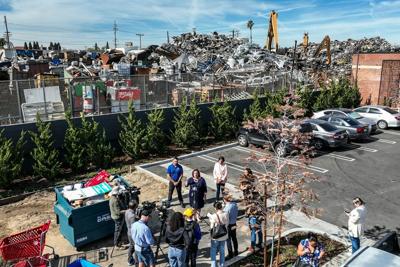
(EAST LANSING, MICH.) To help people who are affected by pollution and other environmental harms, it’s common sense to first get a detailed picture of who they are and where they are. My research shows what can be gained – by policymakers and the broader public – from detailed environmental data and highlights what is lost when it’s not collected.
Since President Donald Trump began his second term, his administration has changed the U.S. government’s environmental data practices, collecting and reporting only average and aggregate pollution levels that do not differentiate exposure by race, gender, ethnicity or other social identities. That changes previous administrations’ practice of looking more closely, enabling researchers to learn who is most affected and least empowered to push back.
These changes are part of broader policy shifts across the federal government aimed at reducing information about environmental harms and eliminating policies that consider disparate impacts for racial and ethnic minorities, claiming those are racially biased.
I study environmental policy, and I often see the importance of having detailed data to understand the effects of various actions on people’s lives and who is most vulnerable and in need of help. One example involves fishing.
A close look at global fishing
Most research into fishing focuses on large vessels that fish on the high seas. While they are certainly important for global fish production, those ships focus on particular species, such as tuna, and particular markets, such as Tokyo’s Tsukiji Fish Market.
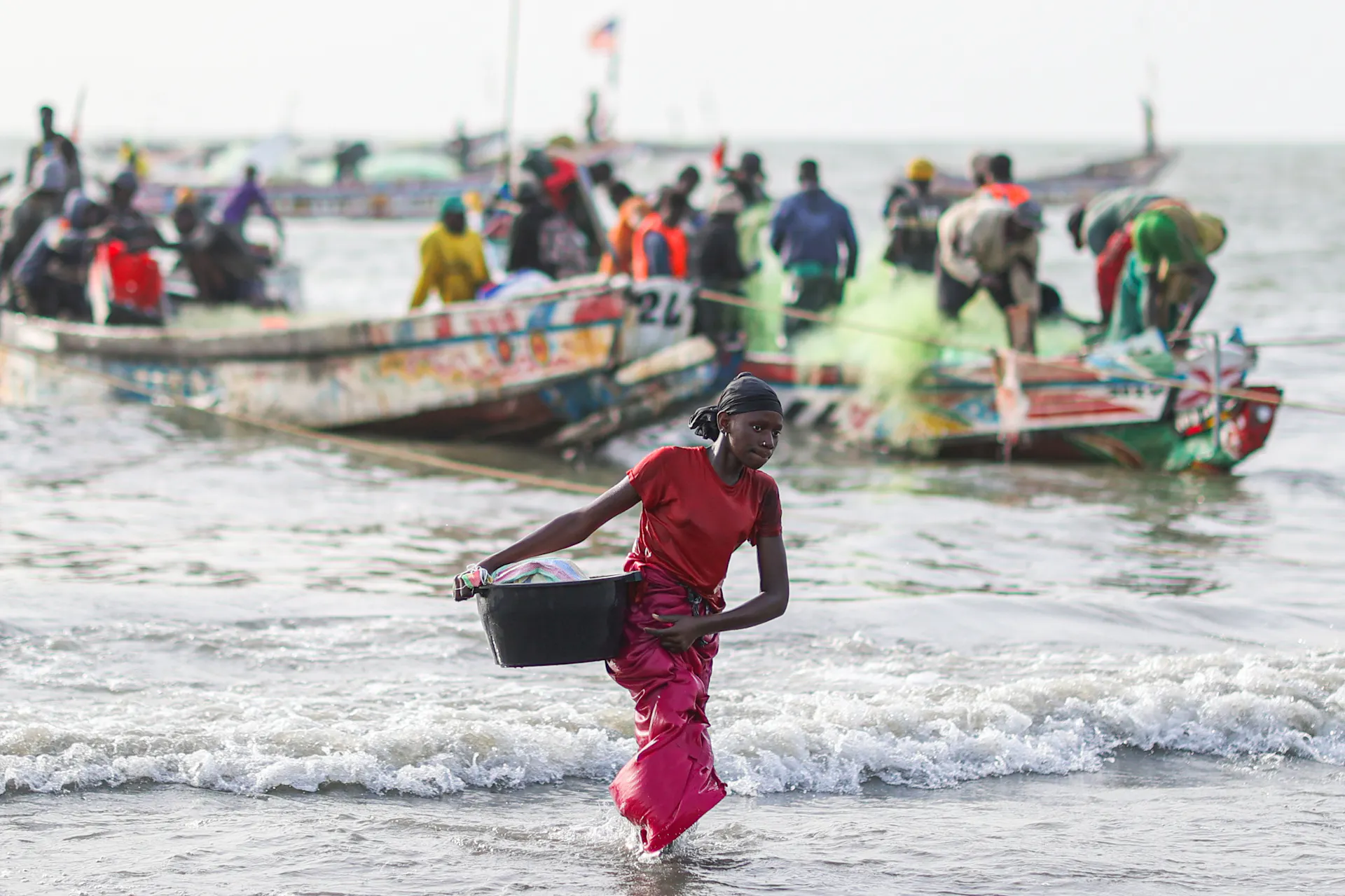
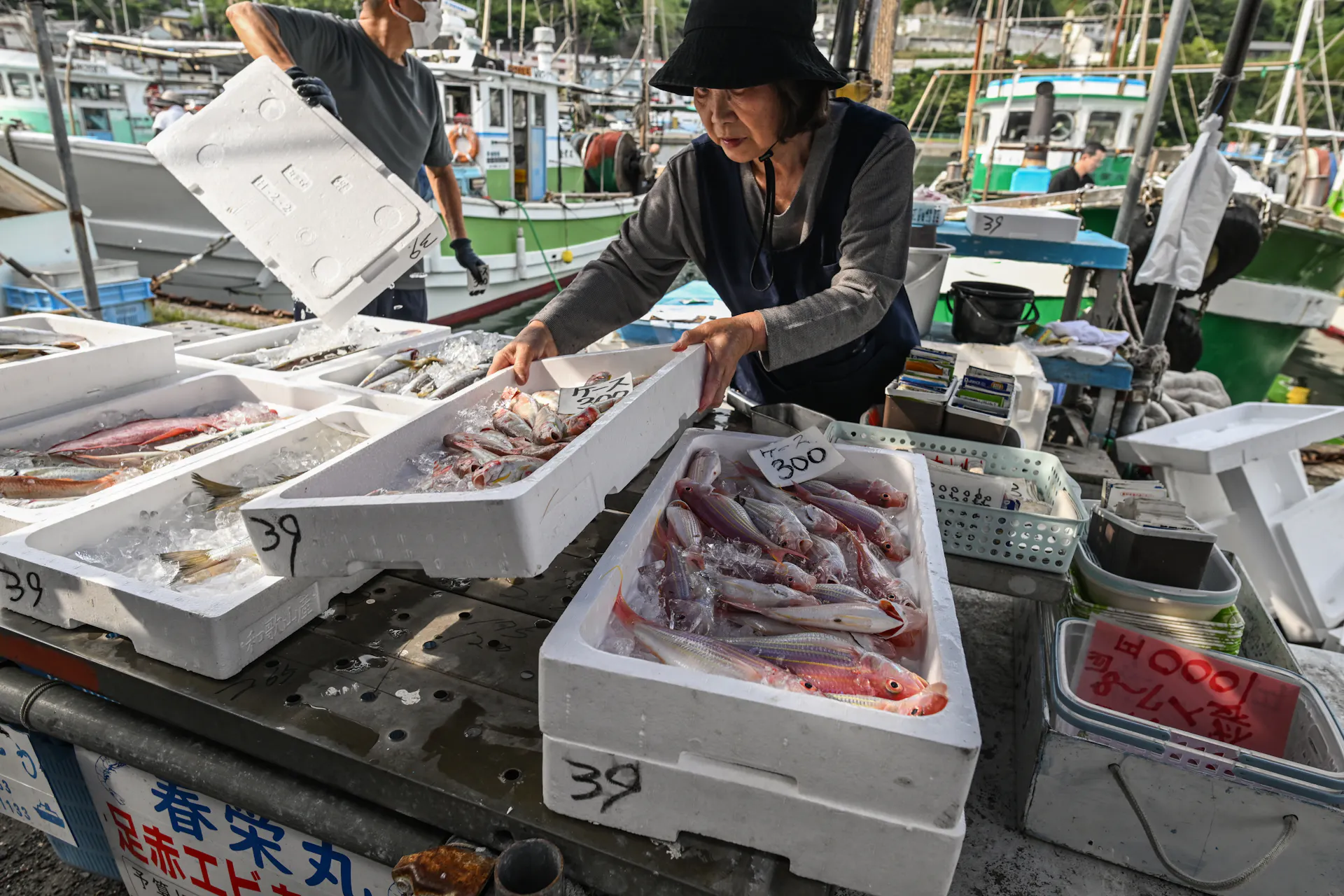
However, a 2023 report from the Food and Agriculture Organization of the United Nations estimates that small-scale fishing is actually a significant part of the industry. This type of fishing includes a range of activities with smaller vessels that often contribute more directly to local livelihoods and food supply.
Small-scale fisheries catch about US$77 billion worth of fish a year – 44% of the global fisheries total – and employ more than 90% of the people who work in fishing-related jobs, including a much higher proportion of women than large-scale operations.
Research I have been part of with other scholars has identified that women play many significant roles in small-scale fishing. Other work has found that can include, for example, collecting shellfish near the shore. And women often sell fish in local markets rather than connecting with global fish suppliers.
Without data about those activities and the women who do them, policymakers and community members who are trying to plan and implement their local fishing rules lack a full picture of the industry.
For instance, researchers don’t actually know how many fish are caught or how many people’s livelihoods are involved in small-scale fishing. So it is impossible to develop rules for vessel ownership, fishing quotas or other policies to accurately address overfishing, poverty or hunger.
In a random sample of people in livelihoods connected to fisheries in southeastern India, we found 8% of them ate less than a full diet during a seasonal fishing ban. But that number varies by gender: More than 15% of women eat less during that time, while less than 4% of men do. Without the more detailed data, efforts to provide additional food might give more to men than they need and less to women than they do.
Blocking the details
As with other types of data, nuanced measurements are essential for scientific research that clearly describes problems and identifies solutions that are most likely to be effective. That type of inquiry is under threat from these Trump administration moves.


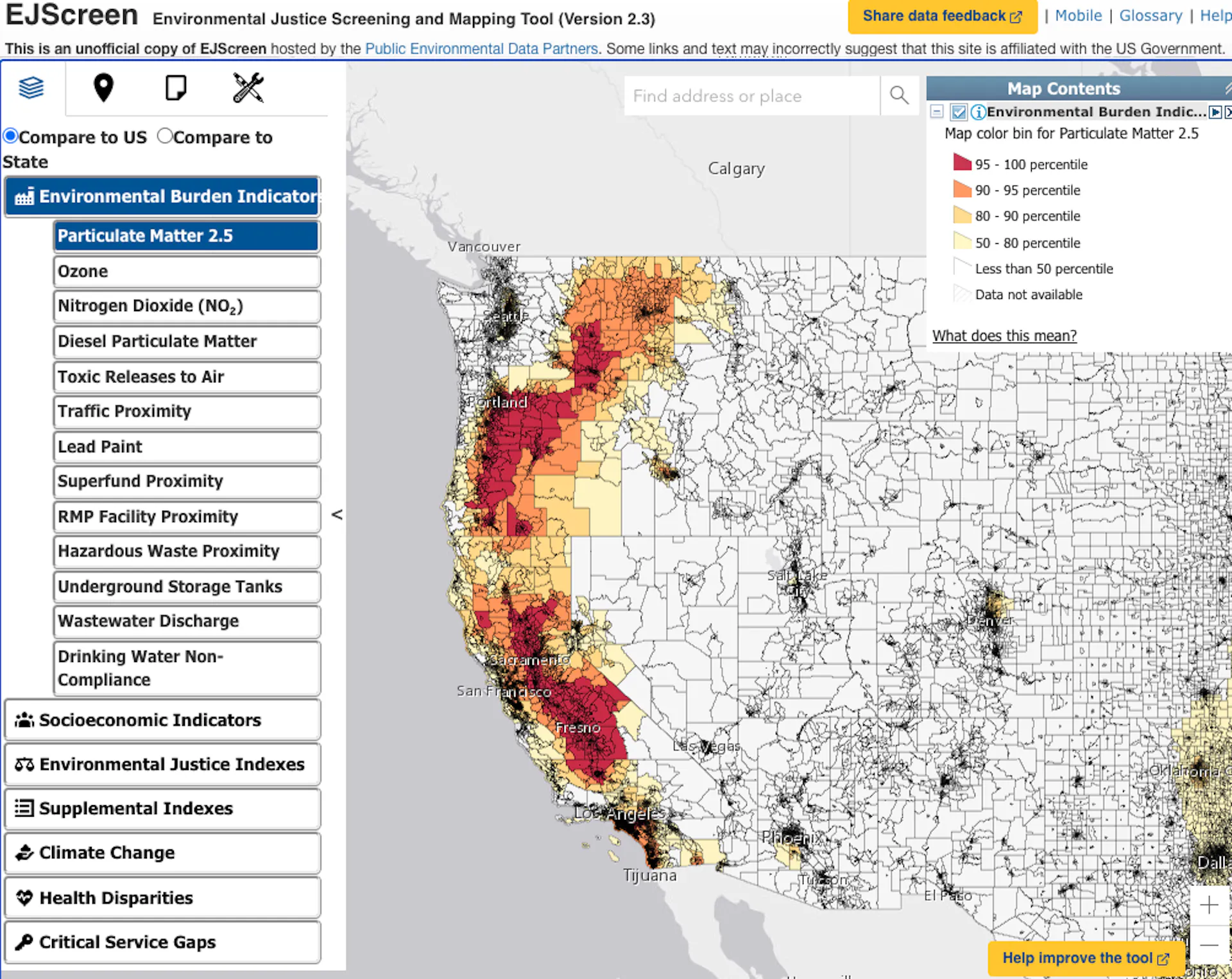
Of particular note was the removal of a website called “EJScreen,” hosted by the Environmental Protection Agency, with the intent of understanding what the agency called the “combination of environmental and demographic indicators” that affect people’s health.
The data from that site has been copied into a new privately hosted website, but it is no longer being updated nor used for making decisions about environmental policy.
Similar to what we found in the fishing context, without detailed data, including gender, race and economic demographics, the Trump administration is leaving itself – and the nation as a whole – unable to see a full picture of environmental harms and benefits.
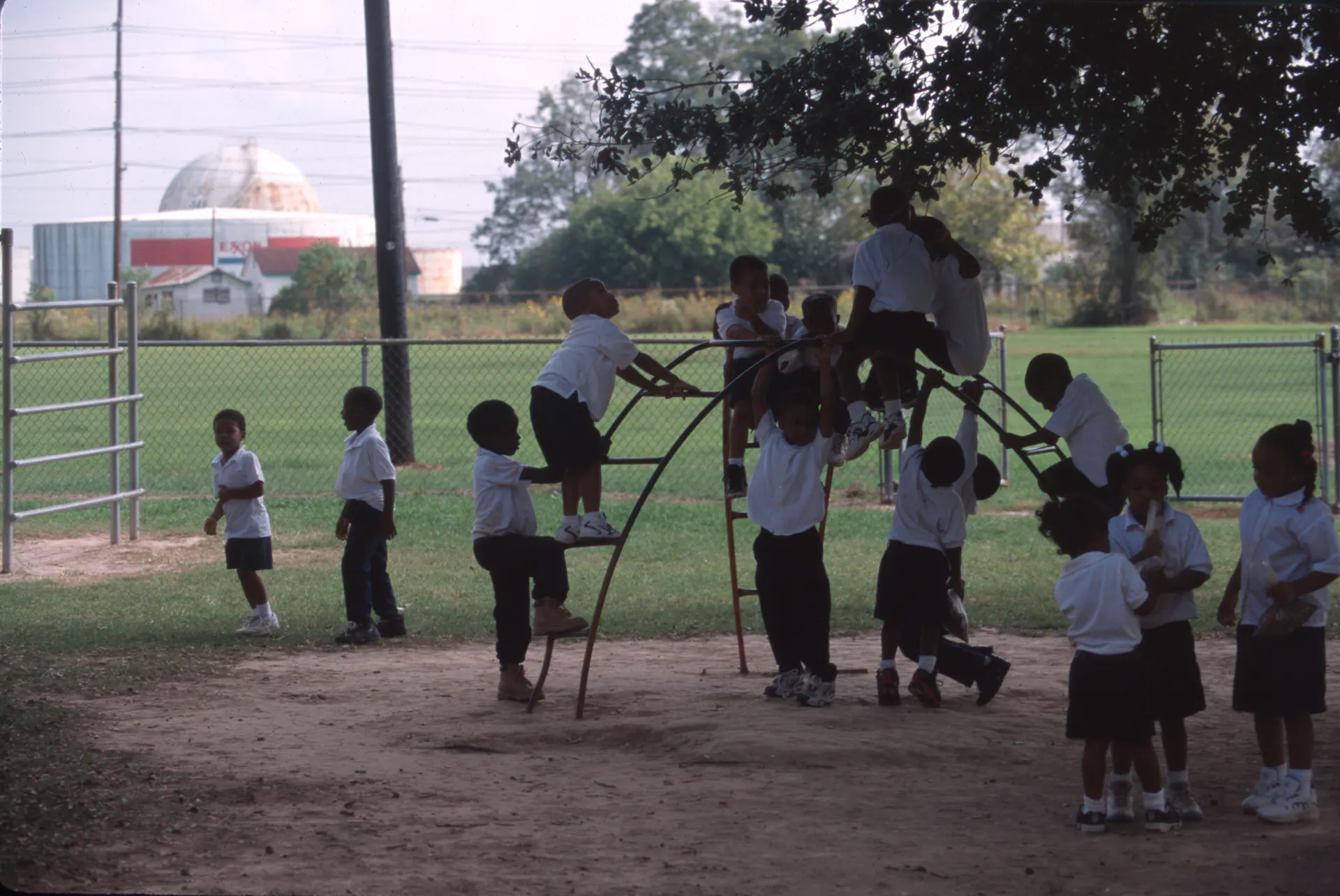
If one neighborhood is highly polluted but nearby communities aren’t, county-level averages would show an overall low level of pollution – even though the more detailed information would reveal a major problem to be addressed in one particular area.
Not collecting the data doesn’t stop the harm. In fact, not looking at what’s happening – and to whom – can aggravate and perpetuate long-standing practices of discrimination in the U.S. The broader society also benefits from these more detailed insights because they help identify problems that would eventually reach other groups.
Opportunities to fill in the blanks
Our research has also found that researchers may have options to work around government failures to collect and report this more detailed data. For instance, we found many opportunities for already available data that can be repurposed for better understanding women’s roles in the fishery.
Some of the federal analysis was based on integrating Census Bureau data with environmental information, which is work that independent researchers could also do.
As federal agencies step away from these efforts, scholars and private organizations also have opportunities to step in to fill parts of the void, ensuring long-term data is preserved. But they’ll need to do more work and likely receive more funding from state or nongovernmental sources to replace lost federal funding that sought to deepen public understanding of who is bearing the burden of environmental damage.
This article is republished from The Conversation, a nonprofit, independent news organization bringing you facts and trustworthy analysis to help you make sense of our complex world. It was written by: Mark Axelrod, Michigan State University
Read more:
- What Trump’s budget proposal says about his environmental values
- Native American voices are finally factoring into energy projects – a hydropower ruling is a victory for environmental justice on tribal lands
- What can cities do to correct racism and help all communities live longer? It starts with city planning
Mark Axelrod did not receive any funding for this project, though some co-authors and a doctoral student he advised did receive support for work that is mentioned in this article. The Illuminating Hidden Harvests initiative has been funded by the Norwegian Agency for Development Cooperation, the Swedish International Development Cooperation Agency, Oak Foundation and CGIAR Trust Fund, with support from the CGIAR Research Program on Fish Agri-Food Systems.


(0) comments
Welcome to the discussion.
Log In
Keep it Clean. Please avoid obscene, vulgar, lewd, racist or sexually-oriented language.
PLEASE TURN OFF YOUR CAPS LOCK.
Don't Threaten. Threats of harming another person will not be tolerated.
Be Truthful. Don't knowingly lie about anyone or anything.
Be Nice. No racism, sexism or any sort of -ism that is degrading to another person.
Be Proactive. Use the 'Report' link on each comment to let us know of abusive posts.
Share with Us. We'd love to hear eyewitness accounts, the history behind an article.