




LACONIA — A large, anonymous gift helped organizers of the Belknap Mill reconfigure their historic museum, emphasizing the unique qualities the mill brought to the city over the years and modernizing the exhibits.
The $10,000 gift facilitated updates and redesign for the museum at the 200-year-old Belknap Mill, highlighting the architectural and industrial heritage of the region through exhibits and galleries throughout the building.
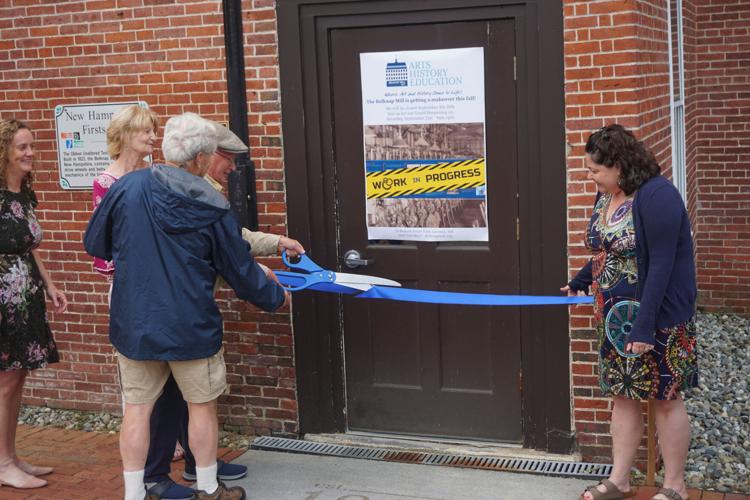
With a moderate crowd gathered outside the entrance, it was longtime supporters Peter Ellis and David Stamps who cut the ribbon on Friday night. The pair said they love the museum and work to support it because it's an important historical landmark in the city and represents progress and legacy.
“It’s the best of Laconia,” Stamps said, and Ellis echoed that sentiment.
“It’s the heart of Laconia,” Ellis said.
Stamps said the mill is one of the first preservation projects of its kind and has played a part in numerous turning points in the city’s long and storied history.
“This is where the riverwalk was conceived,” he said.
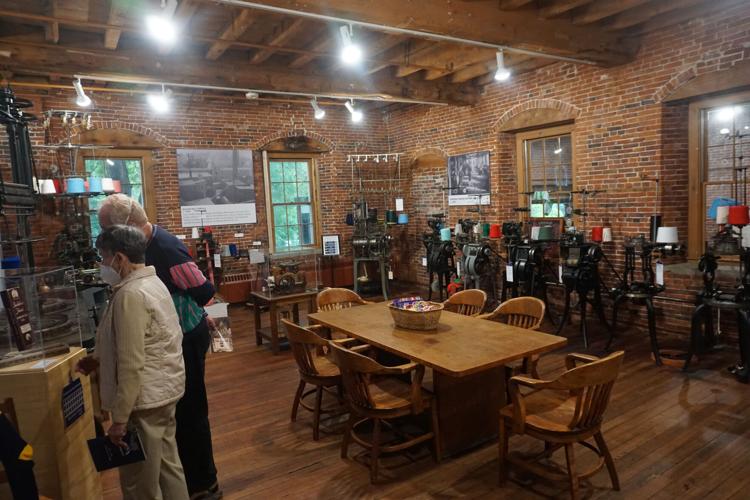
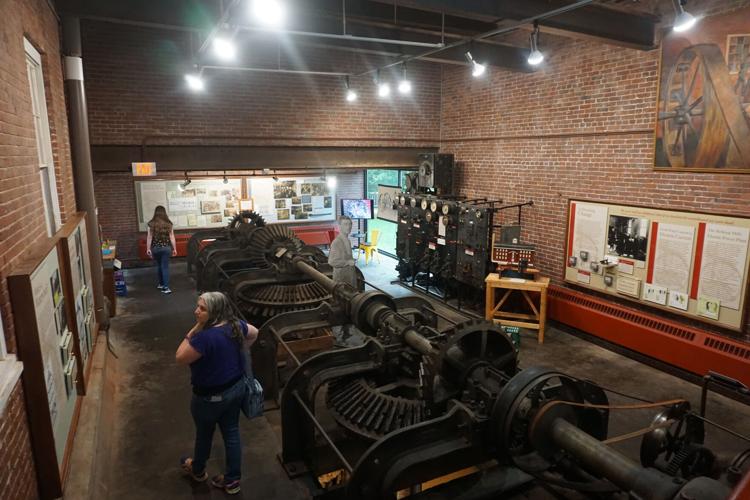
And so it has. The mill was constructed between 1823 and 1828 and is the oldest, largely original brick textile mill in the country, representing the early industrial revolution. The museum features galleries documenting the history of the mill itself and how it’s changed in its 200 years, its knitting machines and hosiery production equipment, an interpretation of its 1918 hydroelectric power plant and the transition from water to hydroelectric power among other special exhibits.
The mill also contains a collection of artifacts, objects, manuscripts, documents and photographs in its historical archives that tell the story of the institution, which is also the story of the industrial revolution in the United States. Members of the public are invited to view the materials in the archive by making an appointment to do so.
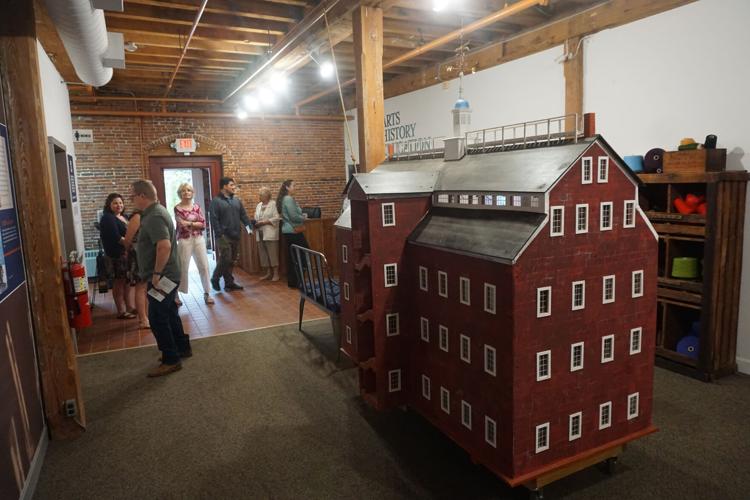
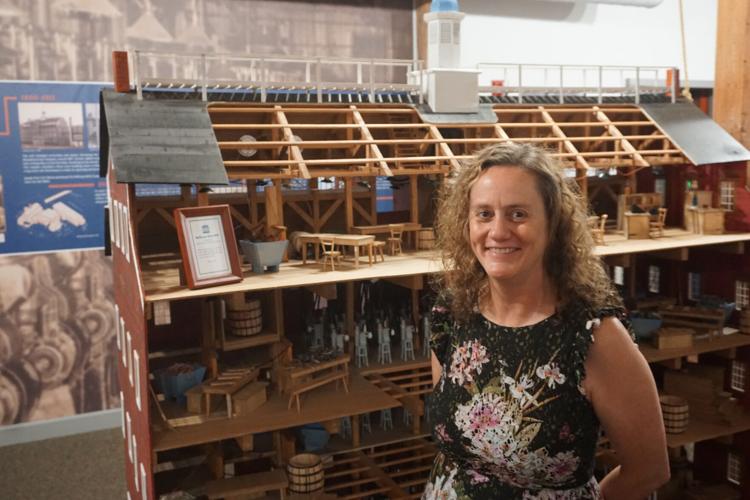
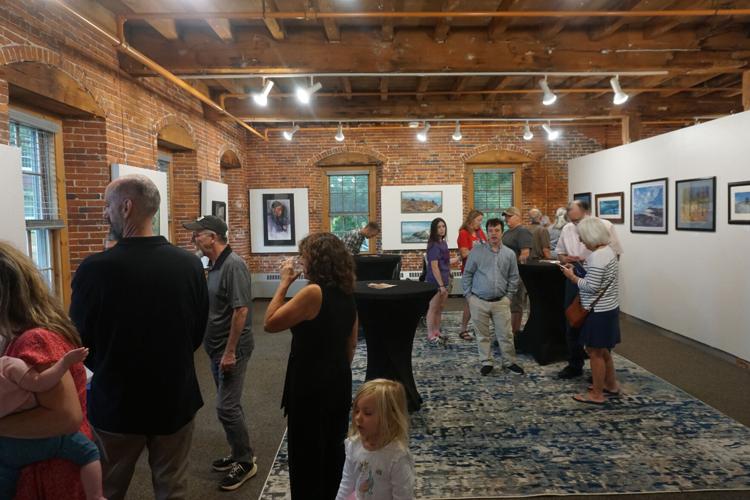
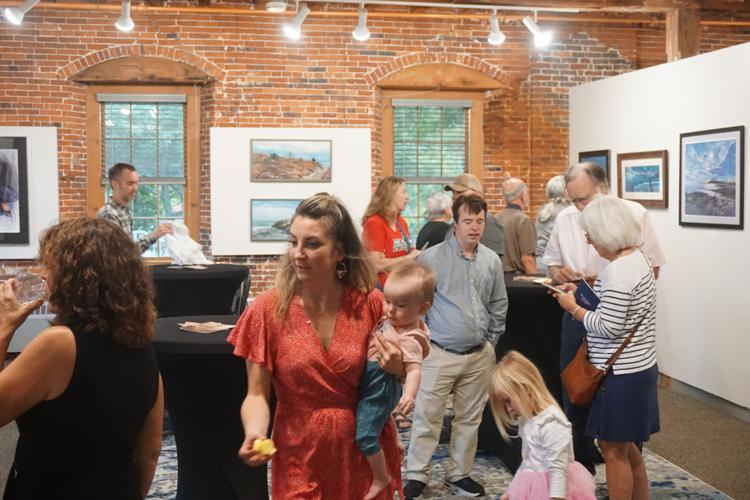
Following the reorganization of the mill museum, visitors will notice a feel similar to a fine art gallery inside. It’s full of interesting displays, scale models and interpretive material to help guide inquiry. Around 20 volunteers and supporters attended the ribbon-cutting ceremony Friday, preceding Saturday morning’s official reopening.
Belknap Mill Executive Director Cheryl Avery said the entire first floor is new and particularly emphasizes interpretive graphics and storyboards. There are additional photos and materials on the fourth floor, and the anonymous gift aimed at historical preservation made the updates possible.
“We didn’t have to use any of the operating funds of the mill,” Avery explained. “Now when you walk in, it feels like a museum.”
The donation will also be used to improve the team's ability to digitally archive important documents and artifacts, and staff intend to create opportunities for greater involvement with children to encourage interest in history and preservation.
Avery said she worked closely on the project with Associate Director Jill Desruisseaux, and both tipped their hats toward an important volunteer, Katherine Switala-Elmhurst. An historic preservation specialist, they each referred to Switala-Elmhurst as the driving force behind updates made to the museum.
Switala-Elmhurst first came to the Belknap Mill through a writers group that meets there and said she was quickly enamored with the structure and its contents.
“I fell in love with the building as soon as I saw it,” she said.
She said she’d noticed opportunities to improve the presentation of the historical information available in the museum, to better organize the displays and to “bring the exhibits into the 21st” century.
“It’s a treasure, I think,” she said Friday night. “For Laconia to have the vision to save the space in the 1970s.”
The updates to the museum may help to draw locals and visitors to the city to view the exhibits and archives, she said. The night before the ceremony, Stamps and Ellis were offered a sneak-peek of the changes made within.
“Their reaction was priceless,” Switala-Elmhurst said.
When asked what, other than the funding, it took to complete the project, Desruisseaux said it required elbow grease.
“A lot of love and a lot of time,” she said. “I’ve cried a lot of tears of joy to think that I’ve been a part of something so special.”
After much teamwork, planning and creative brainstorming, the museum was set to reopen to the public. The team transformed the old layout of the museum to better highlight the most important aspects of their collection — paring down the number of machines in the knitting room and reorganizing exhibits to create a better showcase.
“We uncovered a lot of the treasures,” she said.
Desruisseaux pointed to the help of volunteers, particularly Kathleen Anderson and Kathi Caldwell-Hopper, in making the project a success.
Anyone interested in learning more about the Belknap Mill should visit belknapmill.org or contact Avery directly at cheryl@belknapmill.org.


(0) comments
Welcome to the discussion.
Log In
Keep it Clean. Please avoid obscene, vulgar, lewd, racist or sexually-oriented language.
PLEASE TURN OFF YOUR CAPS LOCK.
Don't Threaten. Threats of harming another person will not be tolerated.
Be Truthful. Don't knowingly lie about anyone or anything.
Be Nice. No racism, sexism or any sort of -ism that is degrading to another person.
Be Proactive. Use the 'Report' link on each comment to let us know of abusive posts.
Share with Us. We'd love to hear eyewitness accounts, the history behind an article.