




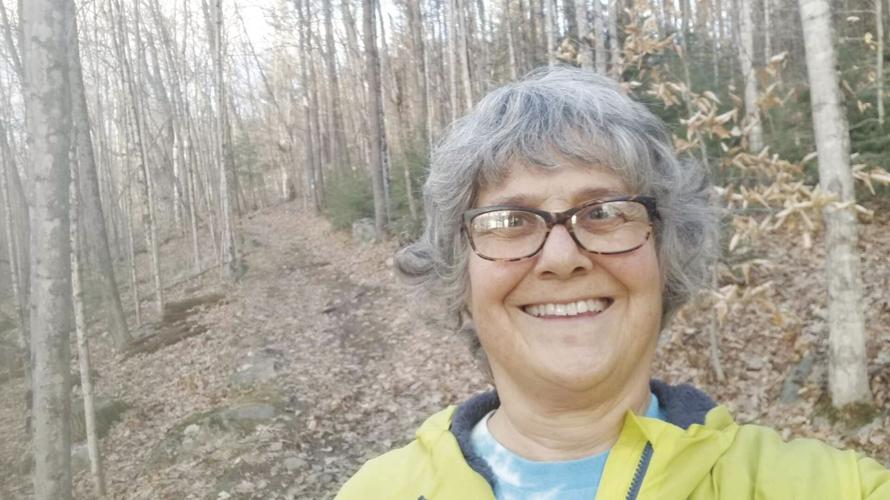
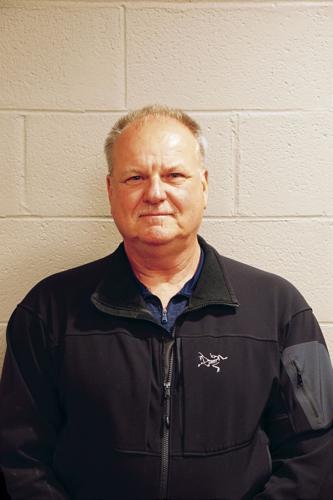


LACONIA — Heidi Preuss, a former Olympian and investment fund manager, and Terry Stewart, a marketing and customer service specialist with experience on local boards, were appointed to fill two vacancies on the Gunstock Area Commission on Wednesday.
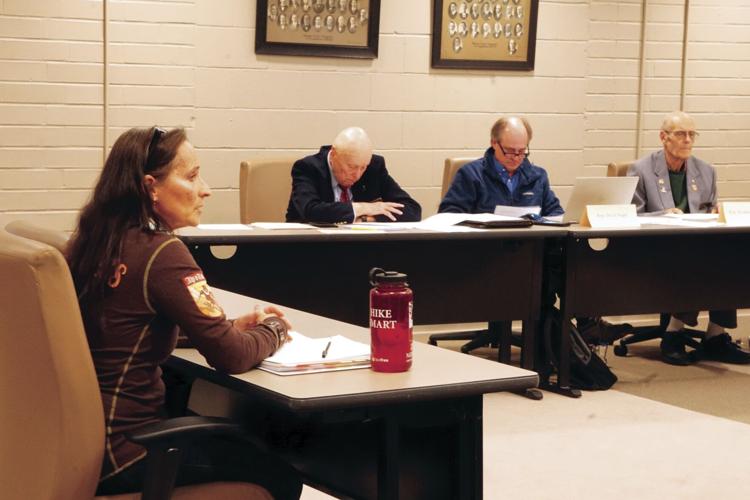
Preuss and Stewart were selected by the Belknap County Delegation from a pool of six candidates. While during the voting there were three clear frontrunners for the two posts, the sentiment that all candidates were well qualified and well suited was repeated throughout the night.
A handful of senior managers from the mountain, including General Manager Tom Day and Chief Financial Officer Cathy White, were in attendance. In an interview after the meeting, Day said he was excited to see so many qualified candidates apply for the post, “because in the past it doesn’t seem like that’s been the case.”
“I think that the two that were picked were very good choices,” he continued. “Certainly Heidi has the experience in finances and oversight. Mr. Stewart, I don’t know him that well, but he seemed to have the right answers to what the role is of a commissioner.”
The delegation interviewed each of the candidates one by one and heard public comment on the appointments before the election. During voting, there were three clear frontrunners: Preuss, Stewart and Cindy Creteau-Miller, a former owner-operator of Magic Mountain in Vermont and a Republican nominee for state Legislature from Meredith in the midterms. Though the three were nearly tied after the first round of voting, Preuss prevailed to appointment for a full term through 2027 and Stewart, favored by the more conservative members of the delegation, was chosen to serve the remainder of a term ending in 2024.
Since the two commissioners who last held these seats left — and throughout the commission’s upheaval in the last three years — representatives and citizens alike have chewed on what the makings and the qualifications of good commissioners are and how to ascertain if an applicant fulfills them.
The only requirement in the mountain’s enabling statute is that “At least one member shall be an experienced skier and at least one member shall be experienced in the field of finance, banking, or accounting.” How connected commissioners should be to the delegation, to the mountain and to the top levels of the ski industry have all been a point of critique for candidates and commissioners in recent history.
With the summer clash between management and former commissioners looming large, representatives pressed candidates about how they understood the relationship between senior management and commissioners, their vision for the mountain’s growth trajectory and what distinguished them from the other candidates.
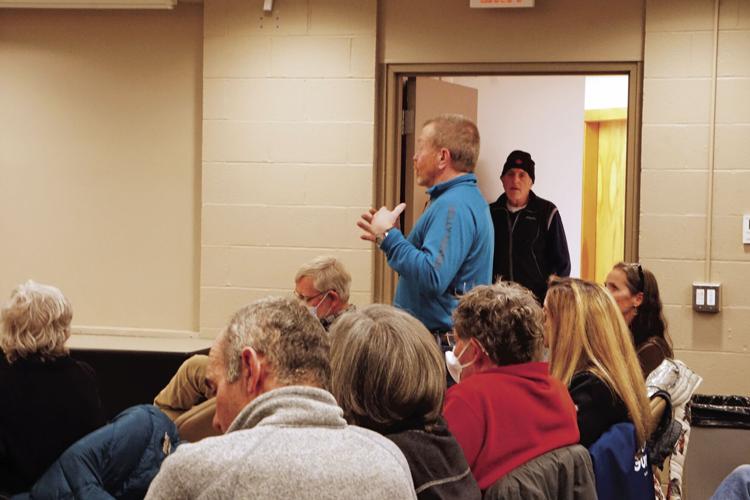
“There’s a big difference between governance and management,” said Gilford resident Ann Nichols during public comment, drawing nods of approval from most members of the audience and delegates. "I heard a lot of great experience from individuals who are managing certain pieces of businesses. But I would ask you to consider who you think would be the best at governance.”
It was along these lines where Stewart won over some delegation members.
He highlighted his time on the Gilford Budget Committee as key to refining his approach to local governance and financial oversight.
“I was a bit of a controversial figure, if you will, on the budget committee — I was young and came into it with the ‘school should run like a business’ [approach]. But I came out of it understanding that, yes, it has to run like a business, but there are a lot of reasons why it can’t,” Stewart said. “You want to provide [taxpayers] a value, but some things are really difficult to put dollars and cents on.”
Stewart described oversight as knowing “where the money is going and [making] sure that the money is well spent.” He described his time on the budget committee as a time when he was able to raise such questions to local officials and work cooperatively with them to find answers.
“I don’t see [oversight] being adversarial, I don’t think it should be adversarial,” he concluded.
Rep. Barbara Comtois (R-Alton), who advocated for Stewart during deliberations, said that approach impressed her.
“Understanding decorum, customer service, budget versus value, trust of the taxpayers, sustainability of the mountain — I mean, all show that he wants what’s best for Gunstock and the county,” she said.
Other representatives heavily weighed candidates’ industry experience.
“I don’t want to trivialize the issue of skiing experience,” said Rep. Dave Nagel (R–Gilmanton). Not having knowledge of the ins and outs of an industry, he continued, meant it could be run “into the ground in a second.”
Preuss, who had tried to join the GAC twice before, emphasized both her skiing background and her investment and finance work.
“I’m a businesswoman who has had an incredible skiing career,” she said. In her career, not only had she risen to become a corporate officer of a billion-dollar mutual fund, but had visited more than 1,000 ski areas worldwide.
“That variety, that diversity, brings a lot to how I can look at a ski area and what its potential is,” Preuss said. “I know my way around financial documents and investment analysis. And I understand the professional standards required to run a multimillion-dollar operation such as Gunstock.”
Other candidates included Lauren Lyons, the longtime owner of the former Lyons' Den restaurant in Glendale; Sean Lord, owner of the Iron Works Market in Gilmanton; and Rick Zach, a former Gunstock Mountain Resort information technology manager.
In interviews after the meeting, the newly appointed commissioners discussed their priorities.
“I was really happy to see an election based on the qualifications of the applicants rather than the political overtones that overtook the previous elections,” Preuss said. Now that the commission is starting a new chapter, she said, it needs to revisit its strategic plan or form a new one. “We need to look at where we’re going in the future. ... Those [plans] need to be brought up again and considered in terms of are they still relevant, and do they work with where we’re going now.”
Stewart said he feels a top priority of the commission should be to develop written procedures for executing its responsibilities — something current commissioners, all of whom joined in the past 18 months, have repeatedly said they feel is a necessity.
“Past commissioners really overstepped their bounds in doing what they thought was their due diligence,” Stewart said. “That can be completely avoided with good procedures.”
New commissioners, he continued, currently bring in their own ideas and intentions for what it means to provide oversight of the mountain.
“That is not efficient,” Stewart said. “That leaves open a situation where commissioners can overstep their bounds based on their own interpretation of what oversight really means.”
The commission is set to meet next on Thursday, Feb. 16, according to its website. It will be the first time that it has met with all five seats filled since July 29 of last year, at the peak of the mountain’s turmoil.


(1) comment
All well and good and best of luck to the new commissioners. When do Belknap taxpayers get a full audit of the business?
Welcome to the discussion.
Log In
Keep it Clean. Please avoid obscene, vulgar, lewd, racist or sexually-oriented language.
PLEASE TURN OFF YOUR CAPS LOCK.
Don't Threaten. Threats of harming another person will not be tolerated.
Be Truthful. Don't knowingly lie about anyone or anything.
Be Nice. No racism, sexism or any sort of -ism that is degrading to another person.
Be Proactive. Use the 'Report' link on each comment to let us know of abusive posts.
Share with Us. We'd love to hear eyewitness accounts, the history behind an article.