



GLP-1 medications and mental health benefits: What new research shows
GLP-1 medications are best known for helping people manage diabetes and lose weight. Over the past several years, researchers have begun to notice something else. Many patients report changes not only in appetite and weight, but also in mood, cravings and emotional regulation.
As more data has become available, scientists have taken a closer look at how GLP-1 receptor agonists affect the brain. LifeStance Health reports that a growing body of evidence suggests that GLP-1 medications, while prescribed primarily for weight loss, may also support mental health when used as prescribed by a qualified clinician.
Why mental health is now part of the GLP-1 conversation
When GLP-1 medications first entered widespread use, their effects were viewed mainly through a metabolic lens. After several years of real-world use, consistent patterns have emerged. Some individuals report fewer intrusive food thoughts, reduced cravings for alcohol or other substances and improved emotional regulation. These observations led researchers to explore whether GLP-1 medications might influence mental health directly, not only through weight loss. Especially since GLP-1 receptors are active in areas of the brain involved in mood, motivation and behavior.
What is GLP-1 and how do these medications work?
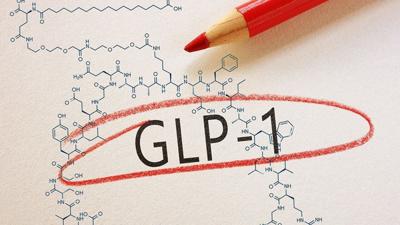
GLP-1 stands for glucagon-like peptide-1, a naturally occurring hormone involved in appetite regulation, digestion and insulin release. GLP-1 medications mimic this hormone by slowing gastric emptying, increasing satiety, reducing hunger and food cravings and influencing reward pathways related to eating behavior. Because these pathways overlap with those involved in emotional and psychological functioning, GLP-1s may have effects that extend beyond weight management.
Types of GLP-1 medications by generic and brand name
- Semaglutide: Brand names include Ozempic, Wegovy and Rybelsus.
Ozempic is FDA-approved for diabetes, Wegovy is FDA-approved for weight loss and Rybelsus is an oral tablet FDA-approved for type 2 diabetes. - Tirzepatide: Brand names include Mounjaro and Zepbound.
Mounjaro is FDA-approved for diabetes, while Zepbound is FDA-approved for weight loss. - Liraglutide: Brand names include Victoza and Saxenda.
Victoza is FDA-approved for diabetes, and Saxenda is FDA-approved for weight loss. - Dulaglutide: Brand name Trulicity.
Trulicity is FDA-approved for diabetes and is sometimes discussed in the context of weight management. - Exenatide: Brand names include Byetta and Bydureon.
Byetta and Bydureon are FDA-approved to treat type 2 diabetes. - Lixisenatide: Brand name Adlyxin.
Adlyxin is FDA-approved for diabetes.
Some GLP-1 medications are taken as weekly injections, such as Ozempic, Wegovy, Trulicity, Bydureon and Zepbound. Others are taken daily by injection, such as Victoza, Saxenda and Byetta, or as a daily oral tablet, such as Rybelsus.
Although these medications share a common mechanism, individual experiences can vary based on the specific drug, dosage and a person’s physical and mental health history. Always follow your prescribing clinician’s directions on medication dosage and timing.
What the research shows about GLP-1 medications and mental health
According to a 2024 systematic review published in the National Library of Medicine, GLP-1 receptor agonists have been associated with several potential mental health benefits across animal and human studies. Key findings from this research include:
Improvement in depressive symptoms
This 2024 review found evidence that GLP-1 medications may help reduce symptoms of depression. These effects are thought to be related to anti-inflammatory and antioxidant processes in the brain, as well as changes in neurotransmitters involved in mood regulation.
Better cognitive function
Some studies included in this 2024 review showed improvements in cognitive areas such as attention, learning and mental clarity. Researchers from those studies suggest this may be linked to improved brain signaling and reduced oxidative stress.


Reductions in alcohol and substance use
GLP-1 medications were associated with decreased alcohol consumption and reduced substance use in several studies from this 2024 review. These effects are believed to stem from changes in reward and impulse-control pathways in the brain.
Decreases in binge eating behaviors
This 2024 review also found that GLP-1 medications may help reduce binge eating by lowering appetite and food cravings. For some individuals, this may support better control over eating behaviors when combined with appropriate mental health care.
While research findings are promising, human experiences with GLP-1 medications are not identical. Some people notice emotional benefits, while others experience little change. Researchers point to several reasons for this variation, including differences between specific GLP-1 medications, individual mental health history, the presence of eating disorders or mood disorders and differences in dosage, duration of use and overall health. These differences highlight the importance of personalized care rather than a single approach for everyone.
GLP-1 medications and eating disorders
One area where GLP-1 medications appear particularly helpful is in reducing binge eating and compulsive eating behaviors.
By decreasing appetite and cravings, these medications may help some individuals break cycles of emotional or impulsive eating. For certain patients, quieter hunger signals allow more effective participation in therapy and the development of healthier coping strategies.
However, appetite suppression alone does not treat eating disorders. Individuals with a history of restrictive eating, body dysmorphia or disordered eating should use GLP-1 medications if prescribed by a qualified clinician and alongside mental health treatment. Therapy remains essential to help address underlying emotional patterns and prevent shifts toward other compulsive behaviors.
GLP-1 medications and suicide risk: FDA update
In January 2026, the U.S. Food and Drug Administration announced that it is requesting the removal of suicidal behavior and suicidal ideation warnings from certain GLP-1 receptor agonist medications. This decision followed a comprehensive FDA review that found no increased risk of suicidal thoughts or behaviors associated with GLP-1 use.
The FDA analyzed data from large clinical trials and real-world studies involving more than 100,000 patients and did not identify higher rates of suicide-related outcomes or serious psychiatric side effects compared to placebo or other diabetes treatments. Based on these findings, the FDA concluded that GLP-1 medications are not associated with an increased suicide risk and moved to update labeling for consistency across the drug class.
Even though current evidence suggests GLP-1 medications do not show an increased risk of suicidal thoughts or behaviors when used as prescribed, individuals should report any mood changes to their health care provider.
What this means for patients
After several years of real-world use and growing scientific study, evidence suggests that GLP-1 medications may support mental health in addition to weight loss. Benefits related to mood, cognitive function, binge eating and addictive behaviors appear to be biologically plausible and supported by emerging data. At the same time, careful screening and monitoring remain important, especially for individuals with eating or mood disorders.
While the clinical potential is promising, the reality of access is complex. Issues of equity, cost and supply mean these medications are not yet available to everyone. Addressing these barriers is a key part of the conversation between patients and providers.
GLP-1 medications should only be taken as prescribed by a qualified clinician. Individual experiences vary, and these medications may not be appropriate for everyone.
This story was published by LifeStance Health and reviewed and distributed by Stacker.


(0) comments
Welcome to the discussion.
Log In
Keep it Clean. Please avoid obscene, vulgar, lewd, racist or sexually-oriented language.
PLEASE TURN OFF YOUR CAPS LOCK.
Don't Threaten. Threats of harming another person will not be tolerated.
Be Truthful. Don't knowingly lie about anyone or anything.
Be Nice. No racism, sexism or any sort of -ism that is degrading to another person.
Be Proactive. Use the 'Report' link on each comment to let us know of abusive posts.
Share with Us. We'd love to hear eyewitness accounts, the history behind an article.