




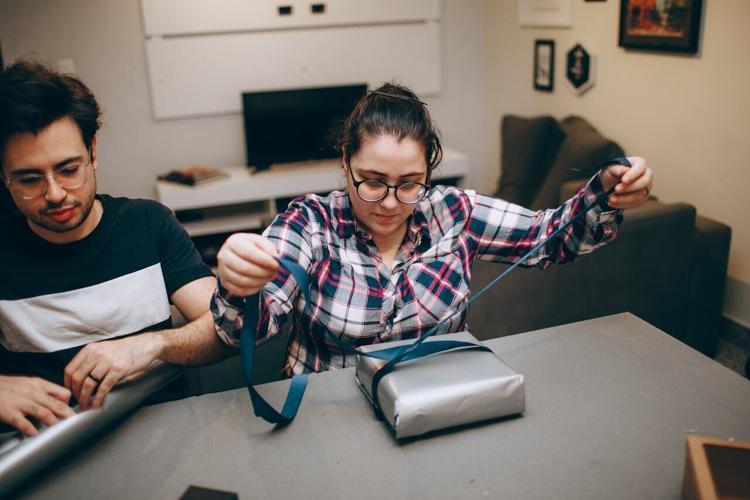



(Photo by Helena Lopes via Pexels)
By Stephen Beech
Christmas presents can backfire - leading to hurt feelings, warns a new study.
Researchers found that well-intended gifts such as weight-loss teas or gym memberships can unintentionally send the wrong message – and ultimately trigger negative online reviews that damage brands.
The findings, published in the Journal of Retailing, show that self-improvement presents often make recipients feel judged rather than appreciated.
That emotional sting frequently spills over into consumer behavior, according to the American research team.
Study co-author Dr. Linnéa Chapman said: “The intention may be positive, but these gifts can imply that you’re not good enough as you are.
“That can sting, and people take out their hurt feelings on the products, for example by giving them low star ratings.”

(Photo by Helena Lopes via Pexels)
In five experiments involving a total of 1,340 participants, Dr. Chapman compared reactions to self-improvement products with neutral versions of the products.
In one test, participants were gifted a “Get Lean” weight-loss tea instead of Moroccan tea.
In another, the present was a “Communications Skills” calendar rather than a trivia-based “Did You Know?” calendar.
Across every scenario, people who received the self-improvement gift rated it lower, spoke less positively about it, or were more likely to endorse negative online reviews.
However, when they bought those same products for themselves the effect vanished.
The research identified “hurt feelings” as the emotional trigger driving negative word of mouth.
Dr. Chapman, Assistant Professor of marketing and logistics at Florida International University (FIU), said: “Gifts are supposed to signal love and generosity.


(Photo by RDNE Stock project via Pexels)
“But a self-improvement gift can threaten someone’s view of themselves as lovable and acceptable as they are. It challenges a very basic social need – to be valued without conditions.”
Dr. Chapman’s research suggests that many recipients redirect their frustration toward the product and the brand, using online reviews as a "socially acceptable" outlet for disappointment.
She says the study carries a "clear warning" for retailers ahead of the upcoming gift-giving season.
Self-improvement goods represent a lucrative global market that is expected to reach $67 billion (£50 billion) by 2030 – but pushing them as festive gifts may backfire.
Dr. Chapman said: “A yoga mat in January says, ‘I’m motivated.’
“A yoga mat under the Christmas tree might say, ‘You need to lose weight.’"

(Photo by Vladislav Murashko via Pexels)
She added: "When it comes to self-improvement products, it’s better to stick to buying them for yourself.”
In an era where one-star reviews can deter hundreds of potential customers, Dr. Chapman says understanding the psychology of gift giving can help retailers avoid costly reputational hits.
The research team recommend that firms rethink timing and framing of their marketing.
They say companies should shift promotions for self-improvement items, such fitness equipment or self-help books, from November and December to January, when shoppers are focused on their own New Year’s resolutions.
The researchers suggests retailers should also rethink pricing incentives during gifting seasons.
If stores discount both self-improvement and leisure products for the holidays, Dr. Chapman suggests spotlighting the latter instead.
And she said retailers could offer small incentives for reviews as even a modest gift card can increase positivity and reduce the likelihood of low ratings.


(0) comments
Welcome to the discussion.
Log In
Keep it Clean. Please avoid obscene, vulgar, lewd, racist or sexually-oriented language.
PLEASE TURN OFF YOUR CAPS LOCK.
Don't Threaten. Threats of harming another person will not be tolerated.
Be Truthful. Don't knowingly lie about anyone or anything.
Be Nice. No racism, sexism or any sort of -ism that is degrading to another person.
Be Proactive. Use the 'Report' link on each comment to let us know of abusive posts.
Share with Us. We'd love to hear eyewitness accounts, the history behind an article.