



(Photo by Damir Mijailovic via Pexels)
By Lauren Wilkin
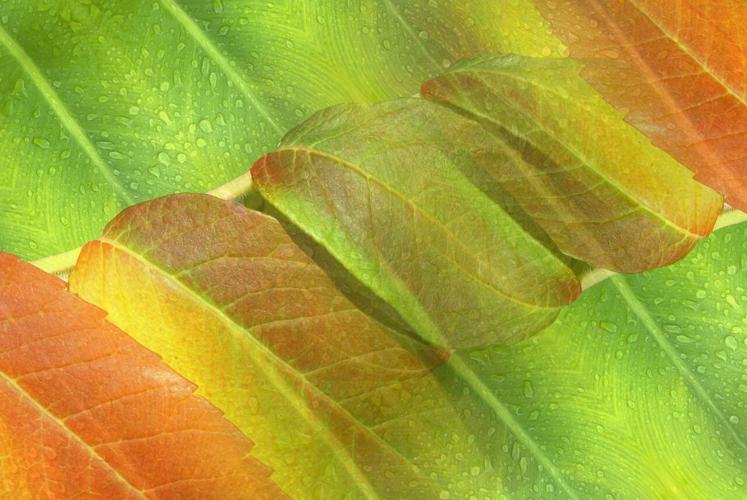
Plants are confused and showing signs of both spring and autumn at the same time, thanks to the record-breaking summer temperature.
The National Trusts say gardeners across its 260 gardens have reported plants responding in different ways.
The organization says some plants had effectively paused during the hottest, driest conditions and are now responding to wetter weather with fresh growth or even a second flush of flowers — like a spring blossom.
While drought-stressed trees are already shedding their leaves — a sign of autumn.
Bodnant’s head gardener Ned Lomax, based in Colwyn Bay, Wales, added: “Many plants went into stasis over summer.
“If mild and wet conditions persist now, they might take advantage of the late opportunity to put on a growth spurt and to flower.

(Photo by Stephen Sanders via Pexels)
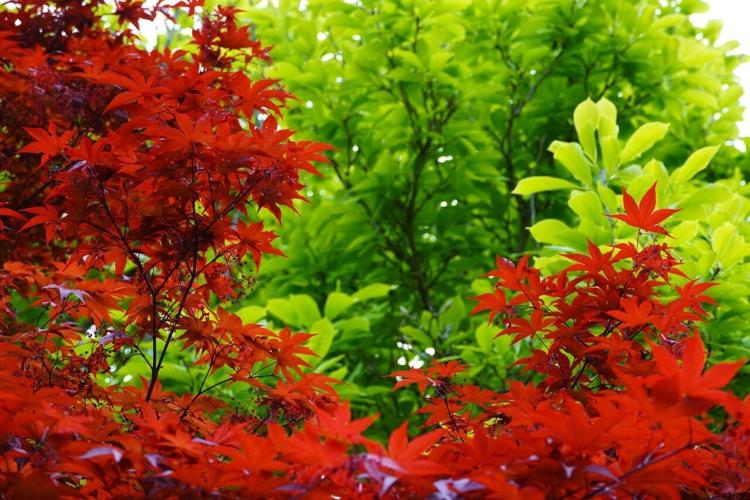
“We could get a second flush from our herbaceous plants, out-of-season flowering and unusual combinations, like rhododendrons in flower and maples in autumn color at the same time.”
At Wimpole in Cambridgeshire, winter and spring viburnums are flowering together.


In contrast at Gibside, in Tyne and Wear, gardeners say some late summer and early autumn color may be reduced after plants finished flowering more quickly during the hot, dry weather.
And the National Trusts say that one of autumn’s most familiar sights could also be affected by the drought.
At Dyrham Park in South Gloucestershire, garden and outdoors manager Piers Horry has observed drought-stressed horse chestnuts dropping their conkers prematurely, with a less abundant crop, with many noticeably smaller than usual.
He said: “For generations, collecting conkers has been one of those familiar signs that autumn has arrived, but anyone looking for a particularly large, prize specimen this year may have to search a little harder.”

(Photo by Justin Wolfert via Pexels)
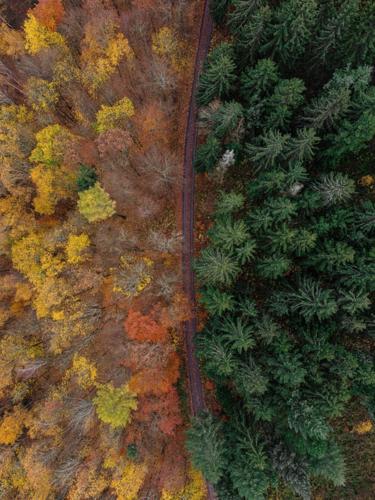
Luke Barley, senior national specialist in trees and woodland at the National Trust, said: “The hot, sunny summer could still provide some of the ingredients for wonderful autumn color, but the drought means the picture is likely to be more varied than usual.”
He added: “The coming weeks will be crucial. Autumn color always depends on a combination of factors, but after such an extraordinary summer the usual signals are much harder to read.
“Climate change is making our seasons more unpredictable and we’re going to learn more this year about the impact of drought on autumn color.”
The impact of the extreme summer also means the timing of autumn could differ considerably from place to place.
The National Trusts report that at Cotehele in Cornwall, head gardener Dave Bouch believes autumn could be three to four weeks later than usual.
While at Mount Stewart in County Down, senior gardener Andy Dainty believes the season is running around three to four weeks ahead with morning mist, dew and abundant hawthorn and sloe berries already signaling the change of season.


(0) comments
Welcome to the discussion.
Log In
Keep it Clean. Please avoid obscene, vulgar, lewd, racist or sexually-oriented language.
PLEASE TURN OFF YOUR CAPS LOCK.
Don't Threaten. Threats of harming another person will not be tolerated.
Be Truthful. Don't knowingly lie about anyone or anything.
Be Nice. No racism, sexism or any sort of -ism that is degrading to another person.
Be Proactive. Use the 'Report' link on each comment to let us know of abusive posts.
Share with Us. We'd love to hear eyewitness accounts, the history behind an article.