



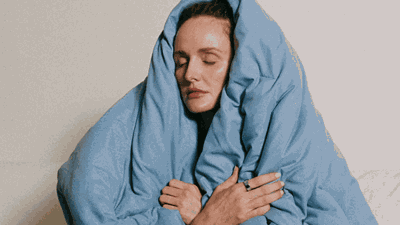

Sleepier than usual this winter? Here’s why, plus simple ways to boost your energy
The allure of a warm bed on a dark, chilly night is hard to resist, and it turns out our bodies agree: Both scientific research and Oura member data confirm this seasonal shift in rest.
Read on to explore exactly how winter changes your sleep, recovery, and overall energy—and what you can do to feel more energized when the days are short.
How Oura Members’ Sleep Changes in Winter
An analysis of de-identified Oura member data (gathered from 48,000 primarily U.S.-based members between 2019 and 2022) revealed several consistent patterns in sleep and recovery biometrics during the winter months.
- Sleep duration increases by 3%, or about 10 minutes, in the winter.
- Time spent in bed increases from slightly less than eight hours to eight hours and 15 minutes from summer to winter.
- Resting heart rate (RHR) increases by 3% (about 1.5-1.8 beats per minute) from summer to winter.
- Heart rate variability (HRV) drops by about 8% in the winter, from an average of 45.7 milliseconds in July to 42.5 milliseconds in January.
Keep in mind: Your sleep needs don’t change during winter. Adults should aim for between seven and nine hours of sleep a night, regardless of the season.
Why Do You Sleep More in the Winter?
1. Earlier Sunsets, Earlier Release of Melatonin
With fewer hours of daylight (about nine in winter versus 12 in summer), your brain signals sleep earlier. Melatonin, the sleep hormone, is triggered by darkness. As the sun sets earlier, your brain releases melatonin sooner, shifting your circadian rhythm and causing you to feel tired earlier in the evening.
People also tend to get more REM sleep in winter. According to research, REM sleep is particularly sensitive to light exposure—meaning that the less daylight there is, the more REM sleep you might get.
2. Low Vitamin D Levels
Studies have shown that people have lower levels of vitamin D in the winter months. This is because you need sunlight to synthesize vitamin D, so less sunlight means less vitamin D. Low vitamin D levels can cause you to feel more tired and can reduce sleep quality, possibly resulting in an urge to sleep more.
3. Colder Temperatures
A cool, dark room is key for better sleep, and winter creates the perfect environment for this! When the ambient temperature drops, it signals to your brain that it’s time for sleep, which may be why Oura members see a decrease in sleep latency (the time it takes to fall asleep) during the winter.
On the other hand, it can also make it harder to wake up in the morning. When your body’s core temperature is lower than usual, the feeling of sleepiness might persist. In one study, researchers found that the cold, dark conditions of winter inhibit the neurons in the brain that are responsible for wakefulness, particularly in the morning!
4. Winter Blues
Seasonal affective disorder (SAD), a severe type of “winter blues,” affects around 10 million Americans. This can lead to feelings of sadness and lethargy during the winter, and common symptoms include fatigue and sleeping more than usual. In fact, one study found that people with SAD sleep for an additional 2.7 hours during winter. Fortunately, from morning sunlight to regular exercise, there are some simple strategies to beat the winter blues.
How Do the Holidays Affect Sleep?


During the busy holiday season, Oura member data shows distinct yet often contradictory changes in sleep habits.
- On average, members’ sleep duration is 3% longer on holidays, but Sleep Score is 2% lower.
- Members get about 5% fewer minutes of deep sleep on days “alcohol” is tagged.
- 7% more Oura members tag naps the day after Thanksgiving compared to other days.
There are several possible explanations for these discrepancies during the festive season. The holidays are often accompanied by lots of food, stress, and socializing. While fun, this can also be draining physically. The day after a holiday can feel like a release of stress, resulting in more fatigue during the day. Plus, time off work means that you may have more time to take advantage of an afternoon nap!
While you may get more sleep, it may be lower quality overall, due to stress, travel, or alcohol, which can all impact the quality of your sleep. . Travel, alcohol, and heavy meals can all have a negative impact on your sleep quality. Alcohol, in particular, has a clear negative impact on sleep.
6 Strategies to Boost Your Energy This Winter
If you’re struggling with winter fatigue, try out some of these tips to stay energized during the day and sleep better at night.
Create a cozy wind-down routine.
A warm bath or shower one to two hours before bed not only feels delightful, but it can also significantly improve your ability to fall asleep. Emerging from the warm water causes your blood vessels to dilate, allowing your core body temperature to drop faster. This temperature decrease is a key physiological signal that prepares your body for sleep.
Try calming herbal tea.
If baths aren’t your thing, try a warm cup of herbal tea before bed. Go for a variety that’s naturally caffeine-free and calming, such as chamomile, valerian root, or lavender.
Get morning sunshine.
Spend five to 10 minutes outside to take in the morning sunlight, sans sunglasses, to regulate your circadian rhythm and increase your alertness. On dark mornings with inadequate light, turn on as many bright indoor lights as you can to mimic the effect. You can also consider a sunlight alarm, which simulates a gradual sunrise, waking you up with a gentle and natural light.
Consider a vitamin D supplement.
Since reduced winter sunlight can lead to lower vitamin D levels, consider taking a vitamin D supplement, which has been shown to potentially reduce fatigue and improve energy. Always consult a healthcare professional to determine the appropriate dosage for your needs.
Look into red light therapy.
Light panels or lamps that emit low-level laser therapy may help improve energy levels and combat SAD. These devices can be used in the morning or as part of your evening routine to support a healthier sleep-wake cycle.
Make time for regular exercise.
Even a short daily workout or a brisk walk outdoors can enhance your overall well-being and contribute to better sleep quality.
This story was produced by Oura and reviewed and distributed by Stacker.


(0) comments
Welcome to the discussion.
Log In
Keep it Clean. Please avoid obscene, vulgar, lewd, racist or sexually-oriented language.
PLEASE TURN OFF YOUR CAPS LOCK.
Don't Threaten. Threats of harming another person will not be tolerated.
Be Truthful. Don't knowingly lie about anyone or anything.
Be Nice. No racism, sexism or any sort of -ism that is degrading to another person.
Be Proactive. Use the 'Report' link on each comment to let us know of abusive posts.
Share with Us. We'd love to hear eyewitness accounts, the history behind an article.