






(Photo by Sadi Hockmuller via Pexels)
By Stephen Beech
Nightmares triggered by horrific experiences may be able to be cured by the main compound in cannabis, suggests a new study.
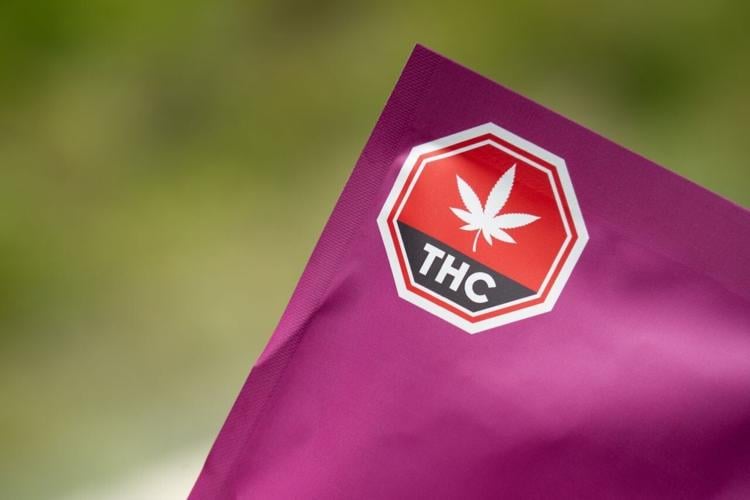
Researchers found that THC — the ingredient in the drug that causes a "high" — can potentially put an end to trauma-related nightmares.
More than half of the participants in the study responded to treatment, while over a third experienced a complete disappearance of bad dreams.
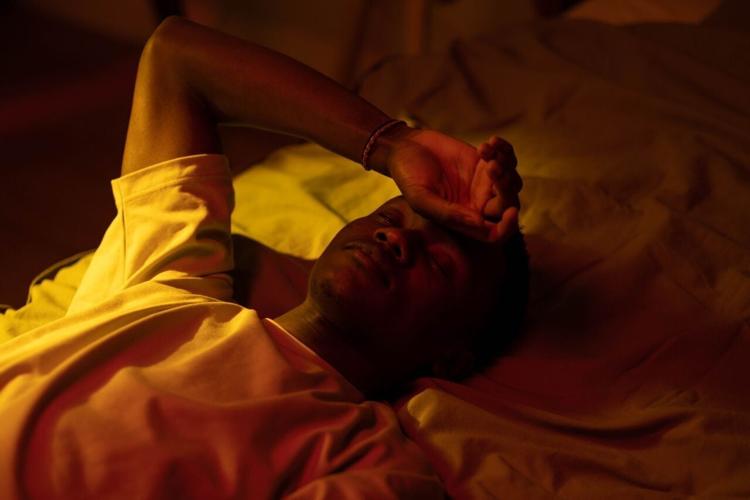
Nightmares are among the most disturbing symptoms of post-traumatic stress disorder (PTSD) — a serious condition that can develop after exposure to severe traumatic experiences, such as disasters, serious accidents, acts of violence or war.
People affected relive the events intensely at night, as if they were real, over and over again, resulting in extreme sleep deprivation and fear of going to bed.
But current pharmacological treatment approaches often fail to adequately relieve the nightmares.

(Photo by Ron Lach via Pexels)
Researchers in Germany investigated whether a prescription medication containing THC — also known as tetrahydrocannabinol — could help.
Their findings, published in the journal Nature Medicine, showed that more than half of the participants responded to treatment, while more than a third experienced a complete disappearance of nightmares.
Stefan Röpke, who conducts research on trauma-related disorders at Charité – Universitätsmedizin Berlin, explained that drastic or even life-threatening events can have lingering effects, like an echo.
He said that, in PTSD, the brain is unable to process those overwhelming experiences and stores the memories in such a way that they cannot be consciously controlled, and they resurface again and again.
Antidepressants or blood pressure-lowering medications are commonly used to provide relief, among other treatments, but these are only partially effective and usually do not help relieving the nightmares.
In their search for new treatments, Röpke and his team focused on THC, the principal psychoactive compound of the cannabis plant.
He explained that THC, also known for its psychoactive effects, interacts with the body's endocannabinoid system, which is involved in regulating sleep, stress and the processing of emotional memories.

(Photo by RDNE Stock project via Pexels)
Röpke said: "There is evidence suggesting that during REM sleep — the intense dream phases in which the brain processes experiences and regulates emotions — THC reduces dream activity and thereby alleviates nocturnal stress responses."
Cannabis-based medications are already finding use in pain management, usually when standard treatments prove insufficient or patients cannot tolerate them.
In Germany, that has been possible since the "Cannabis for medical purposes" law took effect in 2017.


Since then, it has become easier to use plant-derived or synthetically produced cannabinoids for medical and medical-scientific purposes.
For the new study the research team selected a form of THC derived directly from the cannabis plant in the form of drops — the prescription medication dronabinol.
The aim was to determine whether the approach could alleviate nightmares associated with PTSD and whether its use is safe in this context.
More than 170 patients with PTSD and frequent, intense nightmares participated in the study.
For a 10-week period, they received either the medication or an identical-looking, cannabis-flavored placebo every evening before bedtime.
Neither the healthcare providers nor the participants knew who was receiving which treatment.

(Photo by cottonbro studio via Pexels)
By the end of the study period, nightmares had decreased to a "significantly greater extent" in the dronabinol group than in the placebo group.
On a scale of zero to eight points, the nightmare burden decreased by an average of 3.7 points, compared to only 2.2 points in the placebo group — a difference that is clearly noticeable to those affected.
Röpke said: "More than a third of the patients treated with Dronabinol reported that they no longer experienced any nightmares after 10 weeks.
"Another 21% reported that their nightmare burden had been at least halved.
"About five out of six patients in the dronabinol group felt their health had markedly improved."
The research showed that the cannabinoid had a specific effect on nightmares and sleep, but not on all PTSD symptoms.
The severity of the PTSD and any accompanying depression did not change conclusively.

(Photo by cottonbro studio via Pexels)
Nevertheless, the majority of participants experienced "significant" relief, as the tormenting nightly re-experiencing of the traumatic event was interrupted, allowing for restful sleep.
Taking the medication did not cause any severe side effects, but the researchers observed moderate and mild side effects such as dizziness, headache or increased appetite more frequently.
The study team did not observe any withdrawal symptoms after the end of the study period and the discontinuation of the evening doses.
Röpke added: "In the next steps going forward, we aim to determine whether taking the cannabinoid is also effective and safe over the long term, or whether a tolerance effect develops over time."


(0) comments
Welcome to the discussion.
Log In
Keep it Clean. Please avoid obscene, vulgar, lewd, racist or sexually-oriented language.
PLEASE TURN OFF YOUR CAPS LOCK.
Don't Threaten. Threats of harming another person will not be tolerated.
Be Truthful. Don't knowingly lie about anyone or anything.
Be Nice. No racism, sexism or any sort of -ism that is degrading to another person.
Be Proactive. Use the 'Report' link on each comment to let us know of abusive posts.
Share with Us. We'd love to hear eyewitness accounts, the history behind an article.