


With Maple Weekend quickly approaching Saturday and Sunday, March 15-16, sugarhouses and maple producers across the state are preparing to start tapping for sap.
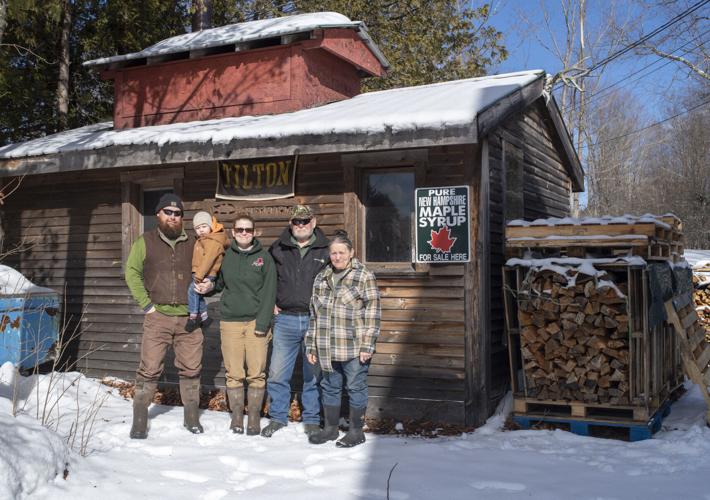
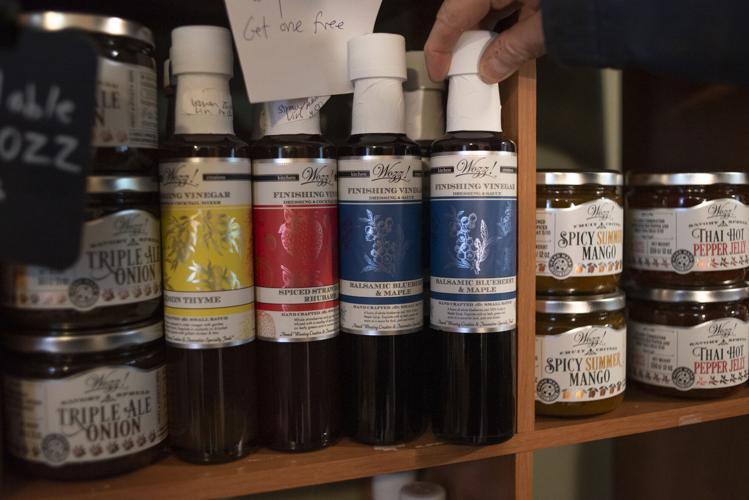
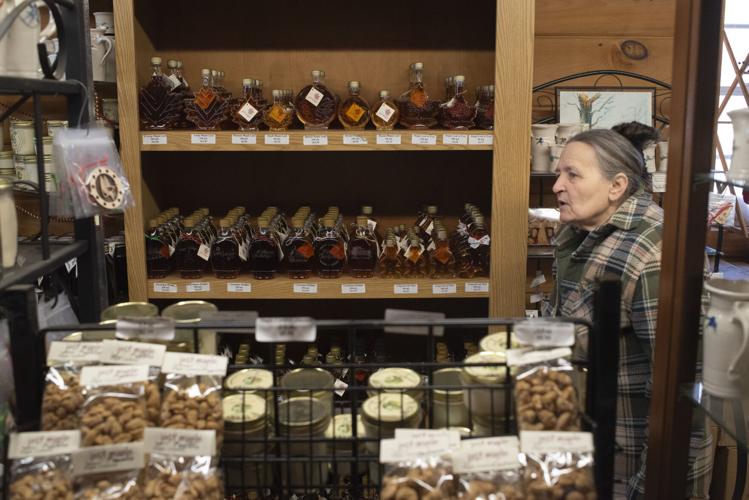
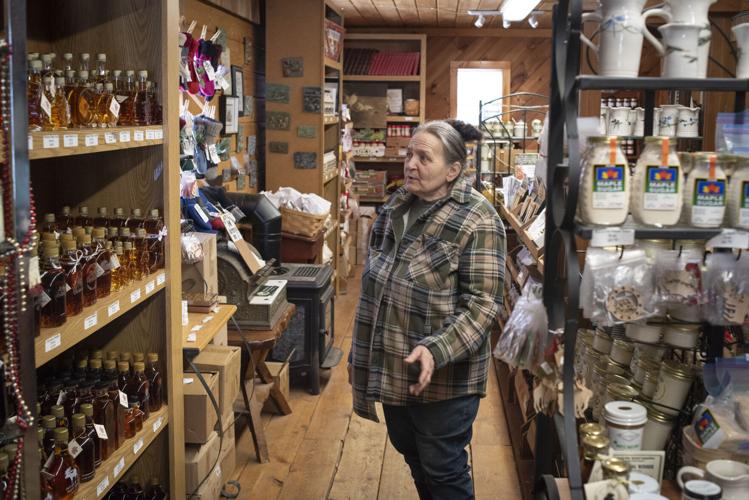
Joyce Keyser, owner of Shepherd’s Hut Market in Gilford, sells her farm's maple syrup, as well as other small business’ maple products.
“Normally, it's the first really busy weekend for the season. [A] really busy time for us,” Keyser said.
Maple Weekend is an annual tradition started by the New Hampshire Maple Producers Association to help promote sugarhouses in Granite State. Lakes Region Chamber President Karmen Gifford said Maple Weekend highlights the unique experience of maple season, and living in New Hampshire.
“It's not something that's available all over. it's very unique in our area with the way the sap runs,” Gifford said. “Obviously, Vermont is well known for maple syrup, but so is New Hampshire.”
Gifford noted it doesn’t take very long to notice the state's cultural phenomenon.
“If you drive around, you'll see that folks have, it looks like a little shed out back, but it's really their maple house, or, you know, their sap house,” she said.
The Maple Producers Association has a sugarhouse map showing all members across the state. Over 20 sugarhouses can be found in the Lakes Region.
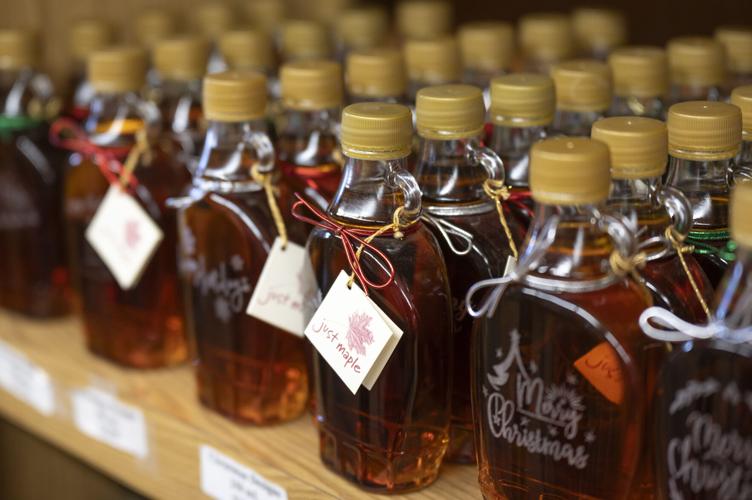
Many businesses are hosting events and activities to celebrate the weekend. Just Maple, in Tilton, is offering tours to show people how they tap trees, and the syrup boiling process. They will also have tastings of all four color classes of maple syrup; golden, amber, dark and very dark. They will also have an assortment of maple-based foods, like maple steamed hot dogs, maple bean soup and maple baked beans. People can shop for maple goods, some of which are made by co-owner Barbara Proulx.
“The products that are made of pure maple, like the cream, the sugars, the candies, we do maple covered nuts — I make those right here,” Proulx said. “The other maple associated products, like the mustards and the jams, barbecue sauces, are locally made from small businesses.”
Prescott Farm Environmental Education Center is hosting a Tap into Maple program every Saturday in March, from 10 a.m. to 2 p.m., where families can learn tree tapping, taste maple syrup, and have a hands-on experience in the syrup making process.
“It's an opportunity for people to come to Prescott Farm and experience an old fashioned, New England tradition making maple syrup," said Asia Scudder, community and events director at Prescott Farm.
Environmental guides will educate participants on tree identification skills, learning parts of the trees and their functions, as well as the history of maple sugaring, including Native American legends.
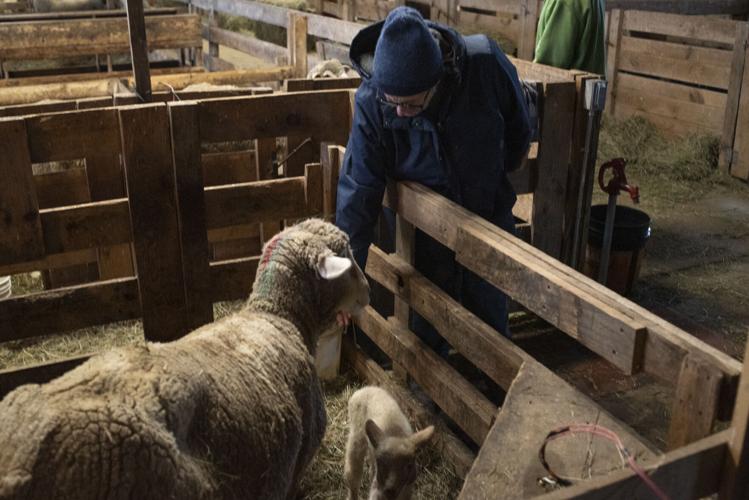
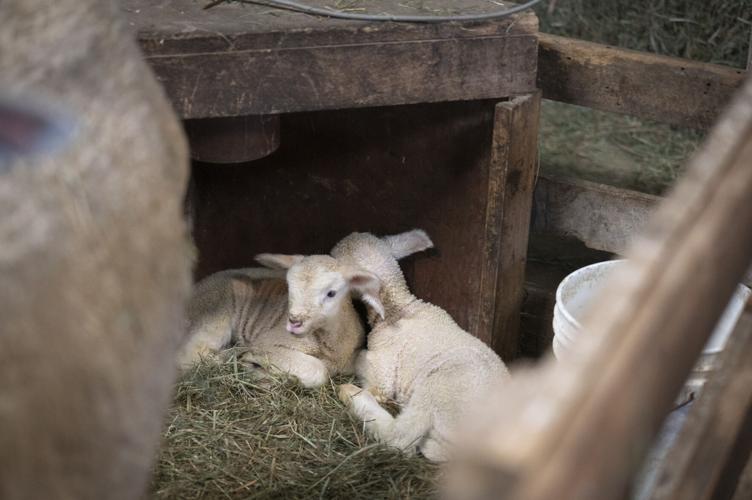
Shepherd’s Hutt, in addition to selling many maple-based products, will offer tours to see lambs, where families can interact with newborn lambs. As the name implies, Shepherd’s Hut mostly sells lamb meat and wool. Maple Weekend is a great occasion to attract customers to see all parts of their business.
“A lot of people, they don't just buy the maple, they buy a lot of stuff, a variety of things,” Keyser said. “And so for us, even though the focus was on maple syrup, maple candy and maple products, which I sell a lot of, it also is an opportunity for a farm stand to really bring in people so they can see what they have.”
While Just Maple sells all four colors of maple syrup, Shepherd’s Hut Market sells only the two darkest. This is partly because they don’t have the proper equipment to produce all four colors, but at least in New England, the darker options are more popular. The darker the color, the stronger the flavor of the syrup.
“A lot of the lighter syrup is produced by a vacuum pulling the syrup from the tree. It is a table grade, they call it. It's very light. It doesn't have quite as much flavor, and it's used a lot in restaurants and stuff,” Keyser said. “But the darker syrup is the stronger flavor. You use it in cooking and stuff like that, and it really stands out.”
Some sugarhouses start tapping in late February, and normally can tap through March and into the beginning of spring. But ultimately, it’s the weather that determines when the maple season starts and ends.
“To produce maple syrup, you need cold nights and warm days, and that's when the sap will run,” Keyser said. "Hopefully, every Maple Weekend, we'll have a lot at that point.”
The color of syrup also changes as the season goes on. At the beginning, the sap contains more sugar, so it takes less time to cook to give it a syrupy texture. Proulx said longer cook times also caramelize the sugar, giving it that darker color and stronger taste.
“It's when we hit the magic number that they say, 'OK. You've got to hit this number to be syrup.' So, at the beginning of the season, it takes less cooking time to hit that number. At the end of the season, there's less sugar in the sap, because the tree is using it to get ready to put the leaves out. And so you've got to cook it a lot longer to get to that syrup sugar level,” she said.
With maple trees all over, syrup and related products are engrained in Granite State culture. As a child, Gifford remembered a family member who made maple syrup. She reminisced about something called a leather apron, where you put the syrup on snow to harden it into a sticky snack. She also said maple producing is taught in schools. Maple Weekend and Maple Month is a great opportunity for people, locals and tourists alike, to experience.
“We're really fortunate,” Gifford said. “It's a unique process that doesn't happen in other areas of the United States.”


(0) comments
Welcome to the discussion.
Log In
Keep it Clean. Please avoid obscene, vulgar, lewd, racist or sexually-oriented language.
PLEASE TURN OFF YOUR CAPS LOCK.
Don't Threaten. Threats of harming another person will not be tolerated.
Be Truthful. Don't knowingly lie about anyone or anything.
Be Nice. No racism, sexism or any sort of -ism that is degrading to another person.
Be Proactive. Use the 'Report' link on each comment to let us know of abusive posts.
Share with Us. We'd love to hear eyewitness accounts, the history behind an article.