



(Photo by Katerina Holmes via Pexels)
By Stephen Beech
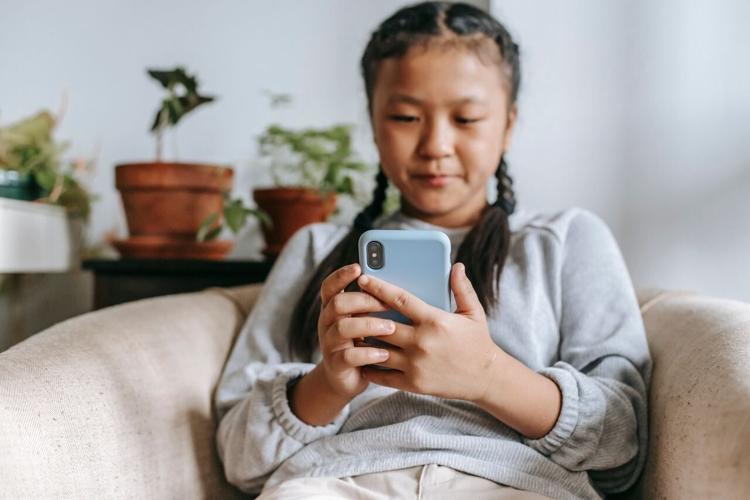
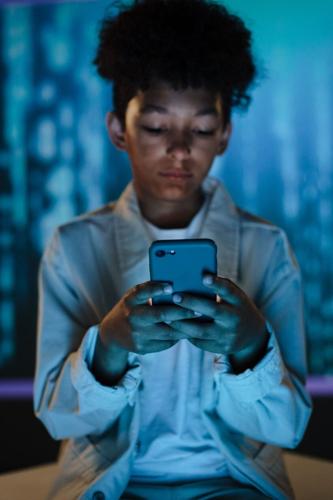
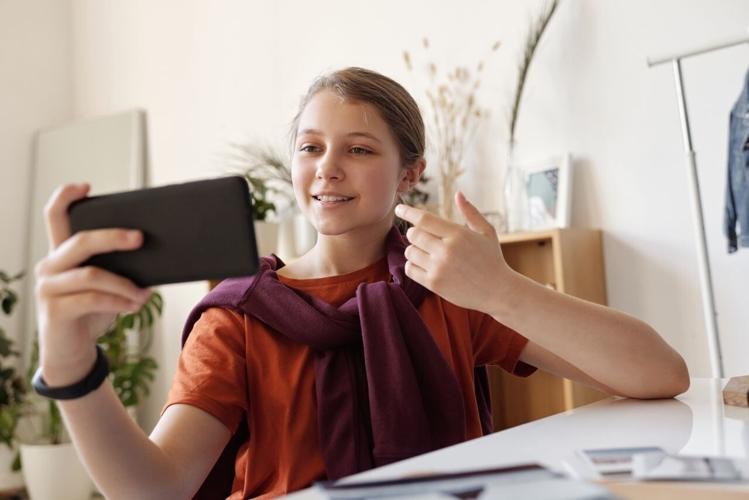
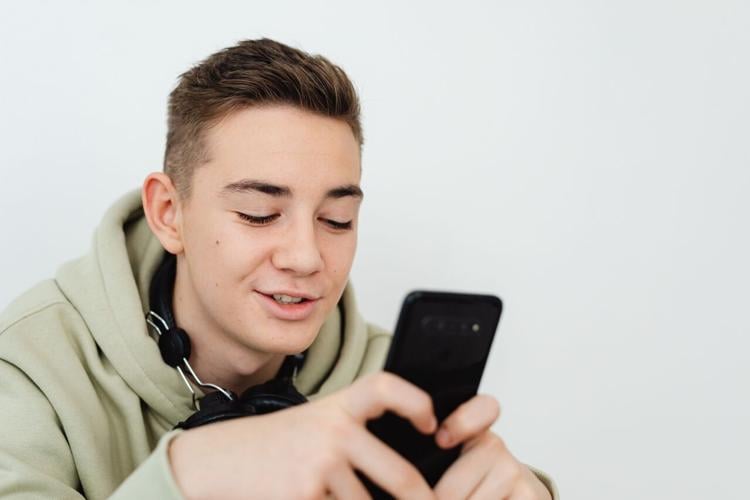
The younger a child starts using social media the more likely they are to suffer anxiety or depression as teenagers, suggests a new study.
Researchers found the age at which adolescents first start using social media may be more important to their mental health than whether they actually have a social media account.
A survey of 365 Australian children aged 10 to 15, plus one of their parents, showed that those who began using social media at a younger age reported more anxiety and depression symptoms.
Simply having a social media account showed a weaker relationship with those symptoms, according to the findings published in JAMA Network Open.
The research was conducted in the six weeks leading up to the Australian social media ban for children under 16 that came into effect last December.
Participants were asked if they had ever used social media, the age at which they first used it and whether they currently had a social media account.

(Photo by Ron Lach via Pexels)
They were also asked questions to measure symptoms of anxiety and depression.
Researchers from the University of New South Wales (UNSW) found 70% of the youngsters had used social media, around half had a social media account already, while the average age they first started using social media was 11 years old.
Study chief investigator UNSW Associate Professor Susanne Schweizer said: "What surprised us was that the age children first started using social media appeared to matter more for their mental health than simply whether they had an account.
"It suggests that delaying children's first exposure may be a promising policy, especially if paired with training good digital hygiene and citizenship during the delay."
Australia's social media ban was introduced amid growing concerns about rising rates of anxiety and depression among young people and the increasing use of social media.
Study lead author Anna Bilston says governments may need to think beyond simply restricting access if they want to protect young people's mental health.
Bilston, a UNSW PhD candidate, said: "If we want to protect young people's mental health, we need to think not only about whether they can access social media, but also about how young they are when they first start using it."
The findings are the first published results from a larger Australian study tracking the mood of young people before and after the social media ban.
Only a quarter of the 10- to 15-year-olds said they intended to stop using social media following the ban.
Around one in three (34%) said they still intended to use it without an account, while a similar number (35%) said they intended to find a way around the restrictions to continue using their accounts.
Schweizer said: "Most young people who intend to keep using social media expect to find ways around the restrictions, rather than simply waiting until they turn 16."

(Photo by Julia M Cameron via Pexels)


The researchers say protecting young people's mental health will require more than restricting access alone.
Schweizer said: "As parents and educators we have an equally important role in helping young people develop healthy digital habits and delaying their first use of social media."
But despite more than three-quarters saying they planned to continue using social media anyway, the researchers aren't suggesting the ban has failed.
Schweizer said: "For some the ban likely helped start conversations about the mental health risks of social media between parents and children, teachers and students, and among young people themselves.
"In behavioral science we often see attitudes change before behavior, so it's still too early to judge whether the policy has been successful.
"We are excited to follow-up these young people and their parents across the next 12 months."
A companion study by the researchers followed older teenagers and young adults over time.
Participants were asked to record whether their social interactions took place online or in person, and how those interactions made them feel.
The findings showed that face-to-face interactions generally left young people feeling more positive and more included than online interactions.

kaboompics
However, socially sensitive young people appeared to find online interactions easier.
Schweizer said: "It's possible these young people experience a short-term benefit from online interactions because they have more time to think about their responses.
"But over time, it's face-to-face interactions that appear to sustain positive relationships.
"At this stage, though, that's still speculative.
"What this tells us is that young people's online activity is more complex than simply 'helpful' or 'harmful.'
"Some online interactions may play an important role, particularly for socially sensitive young people, even though face-to-face interactions remain important overall."
The results are from the first stage of a larger study that will follow young people before and after the social media ban.
The researchers plan to continue tracking participants over the next year to see whether the policy changes behavior, attitudes, mental health and exposure to online harms.
Schweizer added: "This is one of the first opportunities anywhere in the world to understand what happens when a policy like this is introduced.
"We now need to follow these young people over time to see whether our teenagers benefit from the new restrictions, and what could be improved."


(0) comments
Welcome to the discussion.
Log In
Keep it Clean. Please avoid obscene, vulgar, lewd, racist or sexually-oriented language.
PLEASE TURN OFF YOUR CAPS LOCK.
Don't Threaten. Threats of harming another person will not be tolerated.
Be Truthful. Don't knowingly lie about anyone or anything.
Be Nice. No racism, sexism or any sort of -ism that is degrading to another person.
Be Proactive. Use the 'Report' link on each comment to let us know of abusive posts.
Share with Us. We'd love to hear eyewitness accounts, the history behind an article.