




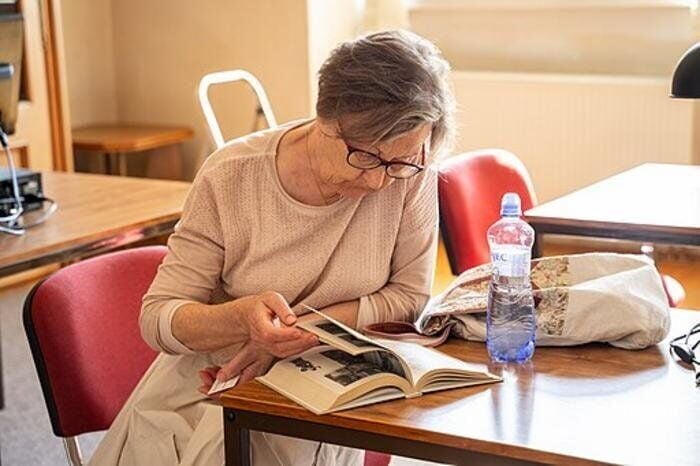
Research confirms that seniors who challenge themselves to learn new things fare better mentally during times of upheaval. (Richard Sekerak (WMCZ) via SWNS)
By Stephen Beech
A willingness to learn boosts the mental well-being of older people, according to new research.
Middle-aged men and women who learn new skills are better at handling stress, say scientists.
And, in two new studies, researchers also found that older adults who challenge themselves to learn new things are less likely to experience loneliness or depression - even during times of upheaval.
You're never too old to learn, according to the saying.
Now researchers have discovered a connection between continued skill learning and improved mental health during the early years of the COVID-19 pandemic.
Scientists say their findings, published in the journal PLOS Mental Health, underline the long-term value of maintaining a sense of curiosity for older people and preparing for unexpected change.

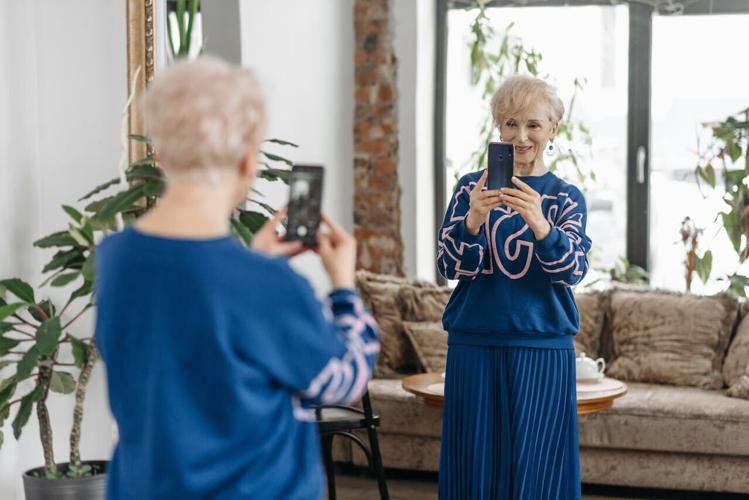
(Photo by Pavel Danilyuk via Pexels)
Study author Professor Rachel Wu, from University of California, Riverside, said: “Learning can be difficult and uncomfortable in the short-term.
"But that short-term discomfort actually helps protect us in the long run.”
The research, published as two studies, looked at how people of different ages adjusted to the pandemic.
The first study included two groups of people: one with participants aged 19 and older, and another with adults aged 50 and above.
Some people in the second group participated in an earlier learning intervention project designed to increase the desire and ability to learn unfamiliar skills.
In both cases, participants reported how much time they spent learning new skills during the pandemic, and how their well-being changed over the course of a year.
The results show a consistent pattern, according to the researchers.

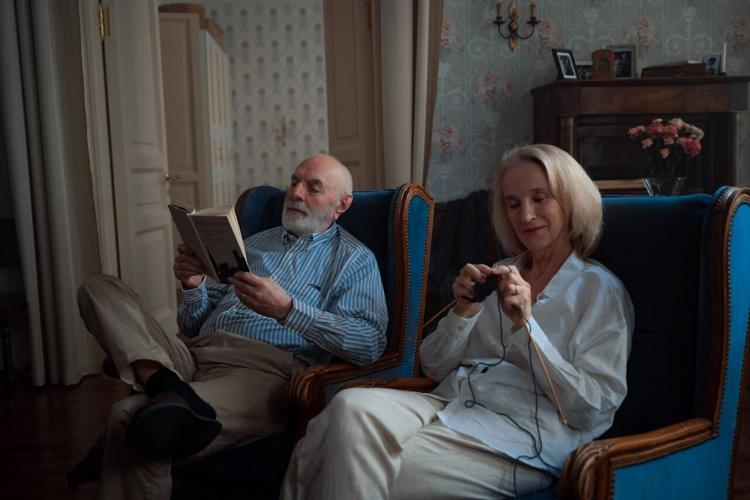
(Photo by SHVETS production via Pexels)
Paper lead author Lilian Azer said: “People who were actively learning fared better in terms of mental health outcomes, especially older adults who might otherwise have been more vulnerable to isolation and stress."
The findings included self-reported levels of depression, loneliness, and overall well-being.
Participants were also asked to rate their own memory, focus, and daily decision-making abilities.
The research team found that the benefits of learning were not immediate.
Participants who challenged themselves didn’t necessarily feel happier in the moment.


But a year later, they reported greater resilience to external stress than peers who had not spent time learning new things.
That finding adds nuance to long-held theories about ageing, according the the research team.
Socio-emotional selectivity theory suggests that people tend to prioritise emotional satisfaction as they get older, seeking joy and avoiding strife.
Wu sees the value in that approach to life, but believes it comes at a cost if we only prioritise short-term happiness.

(Photo by RDNE Stock project via Pexels)
She said: “Learning new skills is frustrating at first, especially if you haven’t done it in a while.
“But if we only do what feels good in the moment, we might be giving up the ability to adapt when life throws something big at us.”
Wu says the pandemic created a rare opportunity to study the idea.
With formal learning environments shut down, participants had to self-direct their skill-building, including picking up new hobbies and navigating online tools.
Those who kept learning, even without structure or support, tended to report better mental health later on.
In a second, separate study, researchers focused on people over the age of 58 who had spent time learning digital photography, drawing, or languages before the pandemic hit.
When compared with a similar group of peers who hadn’t participated in the structured learning intervention prior to the pandemic, the learners fared better emotionally.
Wu said: “You want to have the machinery of learning dusted off, so it works when you need it."

(Photo by cottonbro studio via Pexels)
She believes the research fills a major gap in the scientific literature, as most studies on learning stops after early adulthood.
Based on the new studies and others, Wu says there is a "critical" need to expand that timeline.
She said: “There’s so little research on how learning affects people after their formal education ends.
“But we know that if you’re not learning, you’re probably declining, no matter what age you are.”
Wu hopes the findings inspire more targeted interventions for older adults.
She says continued learning, may be as vital to independence as physical health.
Wu added: “You don’t want to wait until you have to learn something in a crisis.
“Seek out challenges. Keep growing. That’s how you stay ready.”





(0) comments
Welcome to the discussion.
Log In
Keep it Clean. Please avoid obscene, vulgar, lewd, racist or sexually-oriented language.
PLEASE TURN OFF YOUR CAPS LOCK.
Don't Threaten. Threats of harming another person will not be tolerated.
Be Truthful. Don't knowingly lie about anyone or anything.
Be Nice. No racism, sexism or any sort of -ism that is degrading to another person.
Be Proactive. Use the 'Report' link on each comment to let us know of abusive posts.
Share with Us. We'd love to hear eyewitness accounts, the history behind an article.