


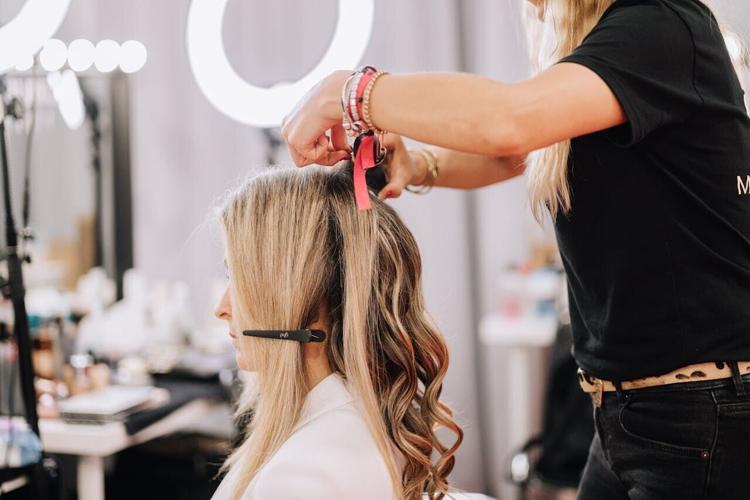
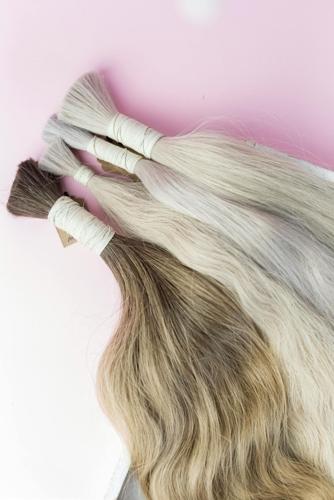

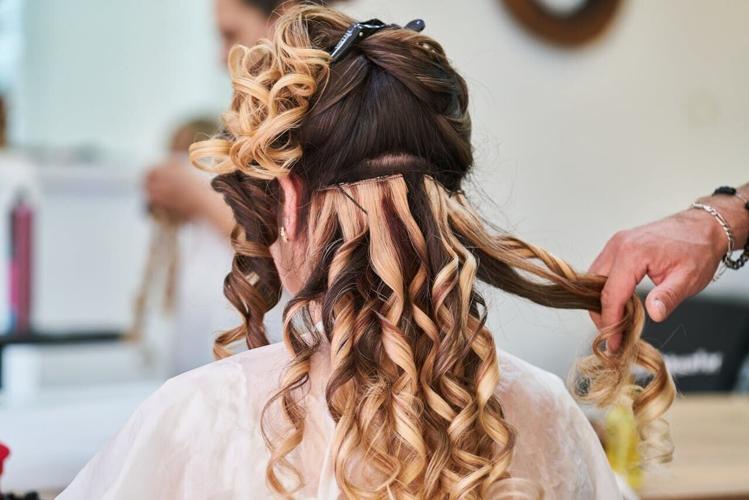

(Photo by Lorena Villarreal via Pexels)
By Stephen Beech
Hair extensions contain far more dangerous chemicals than previously thought, reveals new research.
The popular accessories can include flame retardants, phthalates, and other substances linked with cancer and other dangers to well-being, say scientists.
The most comprehensive analysis ever conducted identified dozens of hazardous chemicals in hair extensions.
Researchers say their findings, published in the journal Environment and Health, provide the strongest evidence yet of the potential health risks associated with the largely unregulated category of beauty products.
The study comes amid growing concern about the impacts on well-being of hair extensions.
More than 70% of black women report wearing hair extensions at least once in the past year, compared with less than 10% of women from other racial and ethnic groups.
Study lead author Dr. Elissia Franklin says many black women wear them for cultural and personal reasons, as well as for convenience.

(Photo by Alina Skazka via Pexels)
She said: “While prior reports have found some chemicals of concern in hair extensions, there’s still much we don’t know about their overall chemical make-up.
"We wanted to get a better picture of the extent of the problem.
"This is an industry that has long overlooked the health of black women, who should not have to choose between cultural expression, convenience, and their health.”
Hair extensions can be made from synthetic fibers and bio-based materials, including human hair, and are often treated with chemicals to make them flame resistant, waterproof, or antimicrobial.
Dr. Franklin, a research scientist at Silent Spring Institute in Massachusetts, said: "Companies rarely disclose the chemicals used to achieve these properties, leaving consumers in the dark about the health risks from prolonged wear."
She explained that the fibers sit directly on the scalp and neck, and when heated and styled, they can release chemicals into the air that wearers may breathe in.
Dr. Franklin purchased 43 popular hair extension products online and from local beauty supply stores for the study.
She categorized the products by fiber type - synthetic, mostly plastic polymers, or bio-based, including human, banana or silk - and then coded them by their claims.

(Photo by RDNE Stock project via Pexels)


A total of 19 of the synthetic samples claimed to be flame retardant, three were water resistant, nine heat resistant, and three carried “green” claims such as “no PVC” or “non-toxic.”
Researchers used a technique called non-targeted analysis to screen the samples for a range of chemicals, including compounds that are not typically tested for in products.
Using two-dimensional gas chromatography with high-resolution mass spectrometry, the team detected more than 900 chemical signatures, capturing both known and unknown substances.
Machine-learning software was then used to match the signatures to a chemical library, ultimately identifying 169 chemicals across nine major structural classes.
The analysis revealed dozens of hazardous substances linked with cancer, hormone disruption, developmental problems, and effects on the immune system.
These included flame retardants, phthalates, pesticides, styrene, tetrachloroethane, and organotins.
All but two samples contained hazardous chemicals, and both of those were labelled as “non-toxic” or “toxic-free.”
A total of 48 chemicals appeared on major hazard lists, including 12 listed under California’s Proposition 65 for causing cancer, birth defects, or reproductive harm.
Four flame retardants were found in both synthetic and bio-based samples.

(Photo by Engin Akyurt via Pexels)
Seventeen chemicals related to breast cancer were found across 36 samples, including compounds known to alter hormones in ways that increase risk.
Nearly 10% of samples contained toxic organotins, some at concentrations exceeding health-based levels set in the European Union, where the chemicals are regulated.
Sr Franklin said: “We were especially surprised to find organotins.
“These are commonly used as heat stabilizers in PVC and have been linked with skin irritation, which is a common complaint among hair extension users.”
She says organotins have also been linked with cancer and hormone disruption.
The global hair extension market projected to surpass US $14 billion by 2028, and the United States leads in global imports,
Dr. Franklin added: "These findings make clear that stronger oversight is urgently needed to protect consumers and push companies to invest in making safer products."
New York recently introduced legislation that would require manufacturers of synthetic braids and hair extensions to disclose all ingredients.
A bill that would ban harmful chemicals from synthetic hair products is also advancing through the legislature in New Jersey.


(0) comments
Welcome to the discussion.
Log In
Keep it Clean. Please avoid obscene, vulgar, lewd, racist or sexually-oriented language.
PLEASE TURN OFF YOUR CAPS LOCK.
Don't Threaten. Threats of harming another person will not be tolerated.
Be Truthful. Don't knowingly lie about anyone or anything.
Be Nice. No racism, sexism or any sort of -ism that is degrading to another person.
Be Proactive. Use the 'Report' link on each comment to let us know of abusive posts.
Share with Us. We'd love to hear eyewitness accounts, the history behind an article.