



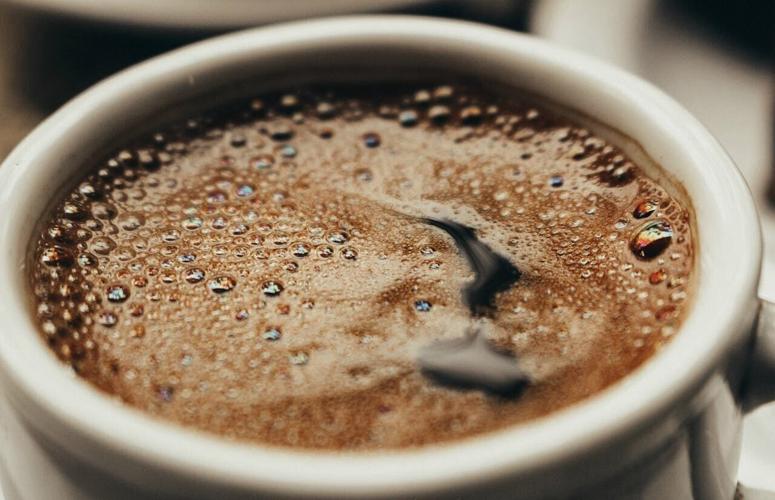





(Photo by Samer Daboul via Pexels)
By Stephen Beech
Drinking two or three cups of coffee a day reduces the risk of dementia, according to new research.
Moderate consumption of caffeinated coffee or drinking one of two daily cups of tea cuts the chances of developing the debilitating condition and also slows cognitive decline, say scientists.
American researchers analysed data from more than 130,000 doctors and nurses collected over four decades.
The findings, published in The Journal of the American Medical Association (JAMA), suggest that moderate caffeinated coffee and tea intake can lower the risk of dementia.
Study senior author Dr. Daniel Wang said: “When searching for possible dementia prevention tools, we thought something as prevalent as coffee may be a promising dietary intervention - and our unique access to high quality data through studies that has been going on for more than 40 years allowed us to follow through on that idea."
Dr. Wang, an Assistant Professor at Harvard Medical School in Boston, added: “While our results are encouraging, it’s important to remember that the effect size is small and there are lots of important ways to protect cognitive function as we age.

(Photo by Arturo Añez via Pexels)
"Our study suggests that caffeinated coffee or tea consumption can be one piece of that puzzle.”
More than 55 million people currently have dementia worldwide, and there are nearly 10 million new cases each year.
In the UK, nearly one million people have dementia, with the condition becoming twice as likely every five years for people over 65.
Experts say that early prevention is especially crucial for dementia, since current treatments are limited and usually offer only modest benefit once symptoms appear.
Focus on prevention has led scientists to investigate the influences of lifestyle factors, such as diet, on the development of dementia.
The research team explained that both coffee and tea contain bioactive ingredients such as polyphenols and caffeine, which have emerged as possible neuroprotective factors that reduce inflammation and cellular damage while protecting against cognitive decline.


(Photo by Karolina Grabowska via Pexels)
But, although promising, findings about the relationship between coffee and dementia have been inconsistent, as studies have had limited follow-up data and insufficient detail to capture long-term patterns.
But participants in the Nurses’ Health Study (NHS) and Health Professionals Follow-Up Study (HPFS) gave information on diet, dementia, subjective cognitive decline, and objective cognitive function for up to 43 years.
Researchers compared how caffeinated coffee, tea, and decaffeinated coffee influenced dementia risk and cognitive health of each participant.
Of the 131,821 participants, 11,033 developed dementia.
The findings showed that both male and female participants with the highest intake of caffeinated coffee had an 18% lower risk of dementia compared with those who reported little or no caffeinated coffee consumption.
Caffeinated coffee drinkers also had lower prevalence of subjective cognitive decline.

(Photo by Tadeu Gabriel Arcieri via Pexels)
By some measurements, those who drank caffeinated coffee also showed better performance on objective tests of overall cognitive function.
Higher tea intake showed similar results, while decaffeinated coffee did not.
Researchers say that suggests caffeine may be the active factor producing the neuroprotective results, although further research is needed to validate the factors and mechanisms responsible.
The cognitive benefits were most pronounced in participants who consumed two or three cups of caffeinated coffee or one or two cups of tea daily.
Contrary to several previous studies, higher caffeine intake did not yield negative effects - instead, it provided similar neuroprotective benefits to the optimal dosage.
Study lead author Yu Zhang, a PhD student at Harvard Chan School, added: “We also compared people with different genetic predispositions to developing dementia and saw the same results - meaning coffee or caffeine is likely equally beneficial for people with high and low genetic risk of developing dementia.”


(0) comments
Welcome to the discussion.
Log In
Keep it Clean. Please avoid obscene, vulgar, lewd, racist or sexually-oriented language.
PLEASE TURN OFF YOUR CAPS LOCK.
Don't Threaten. Threats of harming another person will not be tolerated.
Be Truthful. Don't knowingly lie about anyone or anything.
Be Nice. No racism, sexism or any sort of -ism that is degrading to another person.
Be Proactive. Use the 'Report' link on each comment to let us know of abusive posts.
Share with Us. We'd love to hear eyewitness accounts, the history behind an article.