



(Photo by Craig Adderley via Pexels)
By Stephen Beech
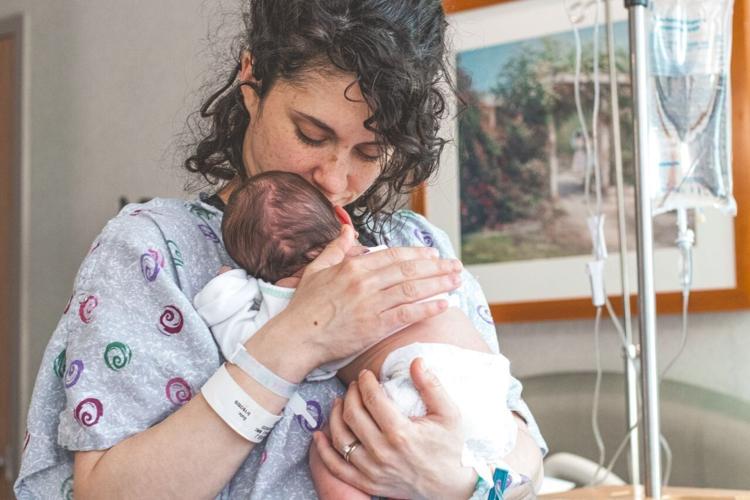
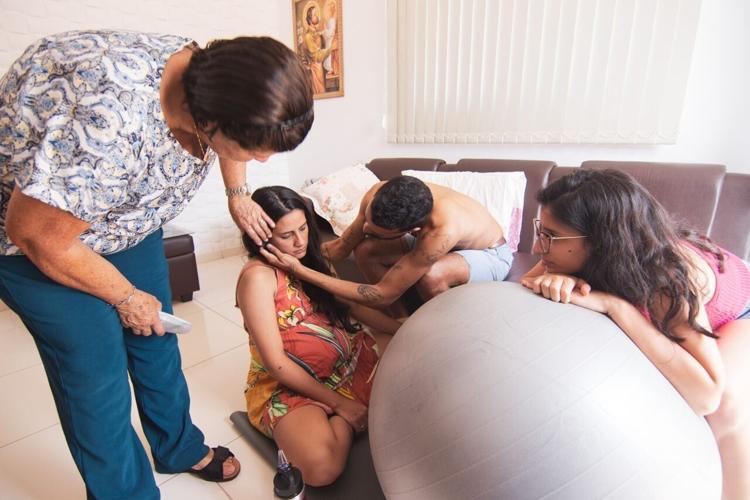
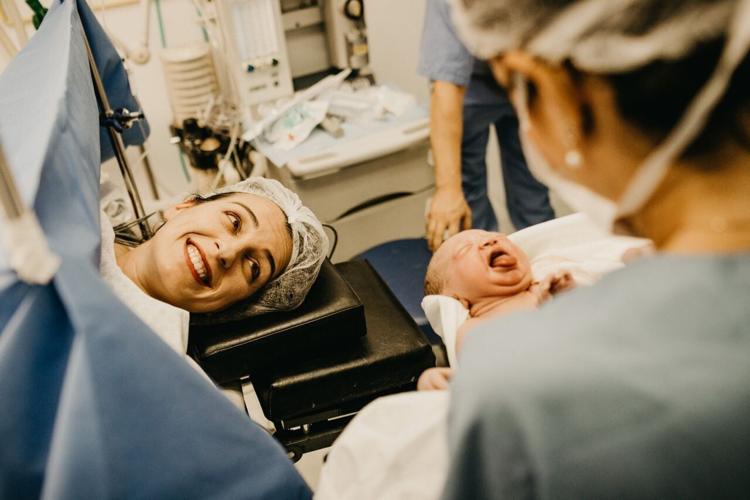
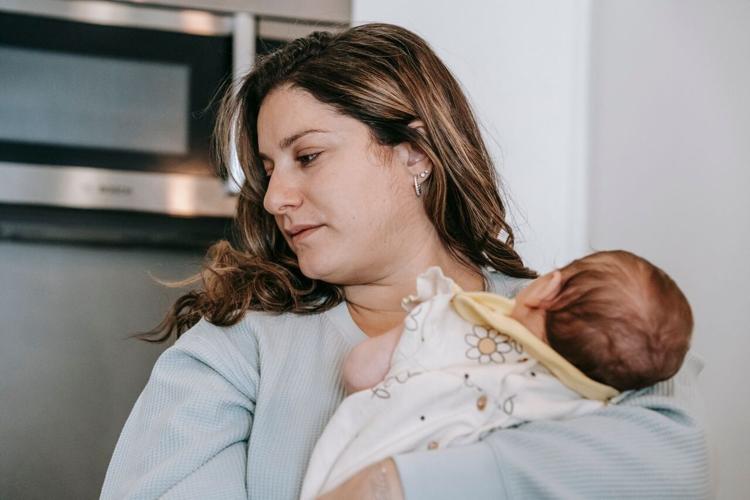
Many moms may be suffering undiagnosed post-traumatic stress disorder after giving birth, warns a new report.
Researchers found that emotional and psychological trauma following childbirth may go "unrecognized or misdiagnosed" during postnatal GP consultations.
The study follows two damning reports into maternity and neonatal services in England by Baroness Amos and Donna Ockenden, and amid growing concern about maternal mental health.
Post-traumatic stress disorder (PTSD) can develop after a difficult pregnancy or birth and causes symptoms including flashbacks, nightmares, anxiety and persistent negative thoughts.
The new research was led by the University of East Anglia (UEA) in collaboration with City St George's University of London and the University of Birmingham.

(Photo by Hannah Barata via Pexels)
The research team is now urging the NHS to equip GPs with better ways to identify new mothers with PTSD to prevent more women falling through the gaps.
Figures show that suicide remained the leading cause of death among women between six weeks and one year after pregnancy in the U.K. from 2021 to 2023.
The researchers described those deaths as the "tip of the iceberg" and say that many more women are living with serious mental health difficulties, but are unable to access the support they need.
Lead researcher and GP Dr. Megan Foreman said: "Research shows that around one in 20 postnatal women develop PTSD, which is equivalent to tens of thousands of mothers across the UK.
"It usually happens after a traumatic pregnancy or delivery, but it can also happen after a medically uncomplicated birth.
"The consequences of untreated birth trauma for women and families can be far-reaching.
"Some women become so anxious that they repeatedly seek reassurance from healthcare professionals for themselves or their baby. Others avoid healthcare services altogether, including during future pregnancies.

(Photo by Jonathan Borba via Pexels)
"They may also request elective cesarean sections in later pregnancies to regain a sense of control.


"Or others may reject recommended medical care or opt for home births, even in high-risk pregnancies, to avoid interventions associated with their previous experience."
"The biggest issue is that GPs are effectively 'diagnosing in the dark' because they are not equipped with the information or tools to make proper assessments."
Although birth trauma is mentioned in national guidance from NICE and NHS England, the new report shows that GPs are not given practical advice on how to measure severity, assess risk or decide who requires specialist treatment.
The report, published in the British Journal of General Practice, also suggests that many healthcare professionals — including GPs — feel they lack the confidence and skills needed to support women affected by birth trauma.
Dr. Foreman, of UEA's Norwich Medical School, said: "GPs are also facing growing pressures, staff shortages and limited appointment times, despite being the main gateway to specialist mental health services for new mothers.
"Some women are also being misdiagnosed with postnatal depression, potentially delaying access to the recommended psychological therapies that are most likely to help."

(Photo by Sarah Chai via Pexels)
The analysis points out that antidepressants are generally less effective for PTSD than specialist psychological interventions, and are not recommended by NICE as a first-line treatment for the disorder.
The research team is now calling for urgent work to develop clear guidance in collaboration with women, including a validated assessment tool that could be used by GPs during routine six-to-eight-week postnatal appointments to help to identify PTSD symptoms.
But they warn that the process must be handled sensitively.
Dr. Foreman said: "Many new mothers attend appointments with their newborns, often combining their own health check with baby examinations or vaccinations.
"Some may not yet feel able to discuss a traumatic birth experience.
"Asking the wrong questions at the wrong time could leave women feeling unsupported or retraumatized."
She said any future guidance should be accompanied by better GP training, improved awareness and clear referral pathways into specialist services.
Dr. Foreman added: "GPs are uniquely placed to spot warning signs.
"But without better evidence and practical tools, many mothers with childbirth-related PTSD risk being left to cope alone, without the support they need."


(0) comments
Welcome to the discussion.
Log In
Keep it Clean. Please avoid obscene, vulgar, lewd, racist or sexually-oriented language.
PLEASE TURN OFF YOUR CAPS LOCK.
Don't Threaten. Threats of harming another person will not be tolerated.
Be Truthful. Don't knowingly lie about anyone or anything.
Be Nice. No racism, sexism or any sort of -ism that is degrading to another person.
Be Proactive. Use the 'Report' link on each comment to let us know of abusive posts.
Share with Us. We'd love to hear eyewitness accounts, the history behind an article.