


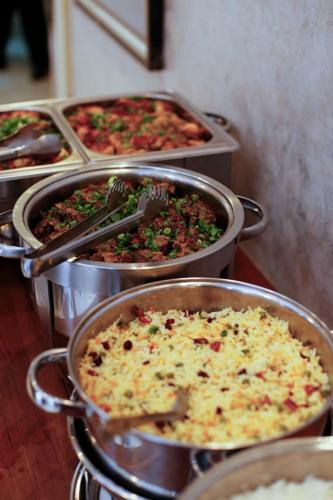

(Photo by Israel França via Pexels)
By Stephen Beech
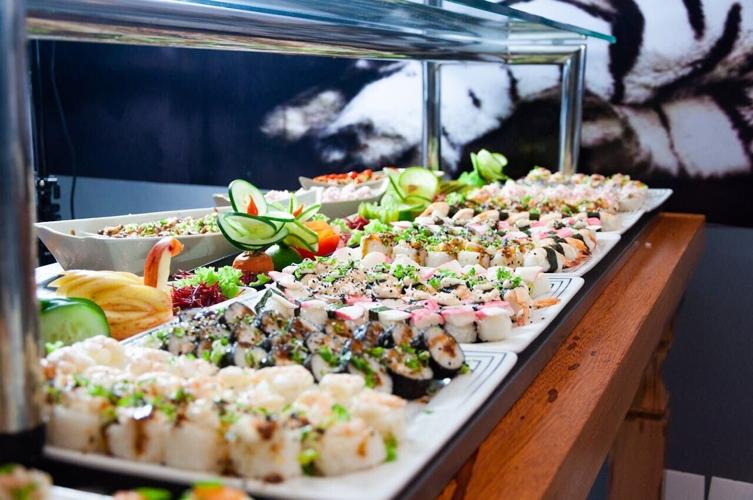
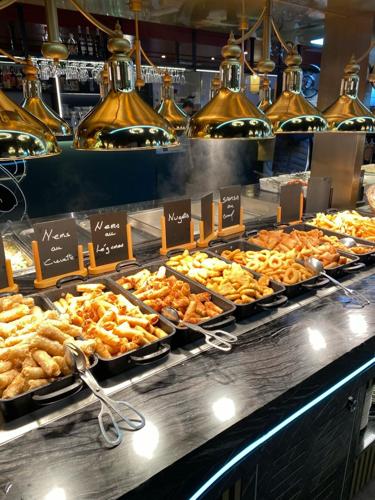
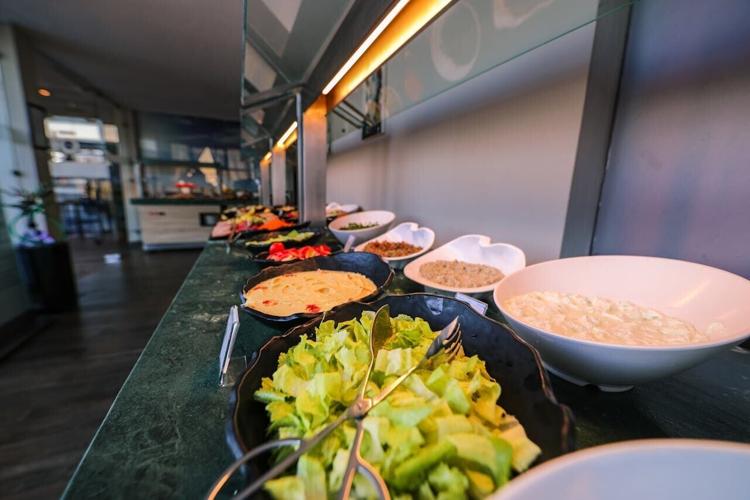
Buffets with lots of different food choices raise the risk of overeating, according to new research.
People are more likely to overindulge when faced with many options - especially calorie-rich foods, say scientists.
The study, published in the journal Appetite, showed that greater variety of cuisine - such as at a wedding or birthday party - affected how much food people served themselves before taking their first bite.
American researchers found that the presence of a higher variety of foods in a buffet increased both the weight of food selected and the number of calories people put on their plates.
Study first author Dr. John Long, of Pennsylvania State University, said: “This study examined what drives people to over-consume food at a buffet similar to dining halls, where millions of college students eat every day.
“If we identify the aspects of our modern food environment - excessive variety, slick packaging, processed foods and more - that increase how much people eat, we can redesign our environment to help us make healthier food choices.”
Previous studies had indicated that when people eat from a plate with many different foods, they will consume more calories.

(Photo by Ercan Evcimen via Pexels)
For the new study, researchers recruited 50 people between the ages of 18 and 65 to visit their laboratory for three sessions, one week apart, all scheduled at either lunch or dinner.
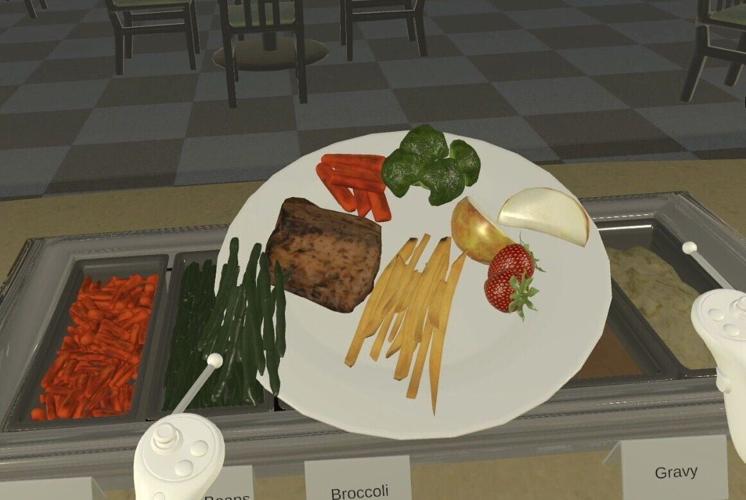
During the sessions, participants selected a meal they wanted to consume from a virtual-reality (VR) buffet.
The buffet presented participants with a different number of food items at each visit - either nine, 18 or 27 choices.
The spread featured a similar proportion of high-energy-dense foods, such as biscuits, and low-energy-dense foods - like vegetables - regardless of the number of food options available.
Participants were instructed to abstain from exercise, food and caffeine for several hours beforehand to make sure they were hungry.
Participants wore a VR headset and entered a VR buffet restaurant where they were able to select foods as they would at an actual buffet using videogame-style controllers in each hand.
The system recorded the weight and calories of the selected meal along with the quantity of foods, including high-energy-density and low-energy-density foods.

A diner fills their plate in the virtual reality buffet. Buffets with lots of different food choices raise the risk of overeating, according to new research. (Travis Masterson and John Long via SWNS)
Previous research by Dr. Long and Dr. Travis Masterson showed that people at a VR buffet select similar food to what they would at a real buffet.
Knowing that the buffets provide meaningful data, Dr. Masterson said using a VR buffet helps save money and time, leading to more efficient research.
Dr. Masterson, senior author of the new study, said: “It is costly and wasteful to make an entire buffet so that a single participant can use it at mealtime, especially if that participant needs to go through the buffet multiple times, like in this study.
“And when we need a different setup, it is much easier to change a setting in VR than it is to alter the amount of food on a buffet.”
Participants who visited the buffet with nine food items selected just over 600 grams of food.


People at the buffet with either 18 or 27 food items selected more than 900 grams of food.
Although people took more food when variety increased, Dr. Long said there appeared to be a general upper limit to the total weight of food people selected.
He said: “External factors clearly influence what and how much people eat.
“But there seems to be a ceiling to the total weight of food selected for a meal, even as variety increases.”
But, despite the upper limit of food weight that people served themselves, the calories selected did not follow the same pattern.

(Photo by Zak Chapman via Pexels)
Participants who visited the buffet with nine food items selected an average of 850 calories of food.
That rose to 1,320 calories around 55% more - when 18 foods were offered, and to nearly 1,500 calories when 27 foods were available - a 75% increase compared with what the same participants took from the nine-item buffet.
Dr. Long said: “When presented with more options, people became more likely to choose higher calorie-dense foods.
"In the US, many people consume more calories than they need, and the wide variety of foods in our environment may nudge us to eat more than we otherwise would."
The researchers also surveyed participants about their personalities and other factors that could affect food selection.
The surveys included a person’s tendency to seek out food variety, whether a person engaged in emotional eating, and their reluctance to try new foods.
Of the five major personality traits in this study - openness, extraversion, agreeableness, neuroticism and conscientiousness - only conscientiousness made a difference.
People who scored higher in conscientiousness - a trait linked with self-discipline and goal-directed behavior - were less responsive to the greater variety of foods.
When more options were available, they added fewer calories by limiting their selection of energy-dense foods compared to participants lower in conscientiousness.

(Photo by Vidal Balielo Jr. via Pexels)
Dr. Masterson said: “We can all be a little more conscientious about our food choices and conscious of our environment.
“Behavior change starts with being aware of the things that influence us.
"If we are aware that variety might tempt us to eat more than is healthy, we may be able to make better decisions for our health.”
The research team said they hoped the research will go beyond promoting awareness and help redesign the ways people encounter food in the world around us.
Dr. Masterson said: “Experts have been warning people for decades to watch what they eat, and the obesity epidemic has only increased.
“Clearly, our food environment is overriding our ability to limit our diets.”
Dr. Long added: “By understanding the factors that drive our choices, we hope to be able to design eating environments that support health rather than overconsumption."


(0) comments
Welcome to the discussion.
Log In
Keep it Clean. Please avoid obscene, vulgar, lewd, racist or sexually-oriented language.
PLEASE TURN OFF YOUR CAPS LOCK.
Don't Threaten. Threats of harming another person will not be tolerated.
Be Truthful. Don't knowingly lie about anyone or anything.
Be Nice. No racism, sexism or any sort of -ism that is degrading to another person.
Be Proactive. Use the 'Report' link on each comment to let us know of abusive posts.
Share with Us. We'd love to hear eyewitness accounts, the history behind an article.