


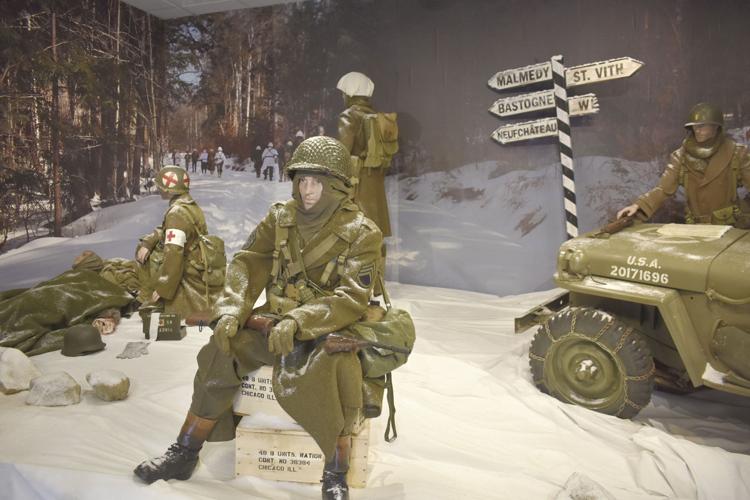
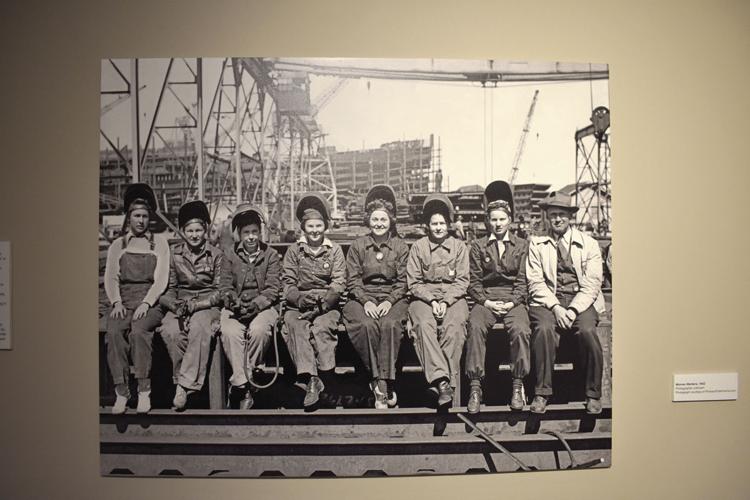
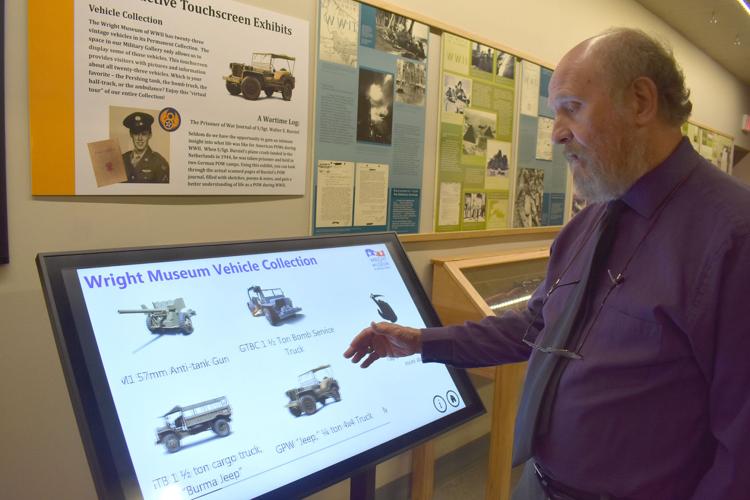
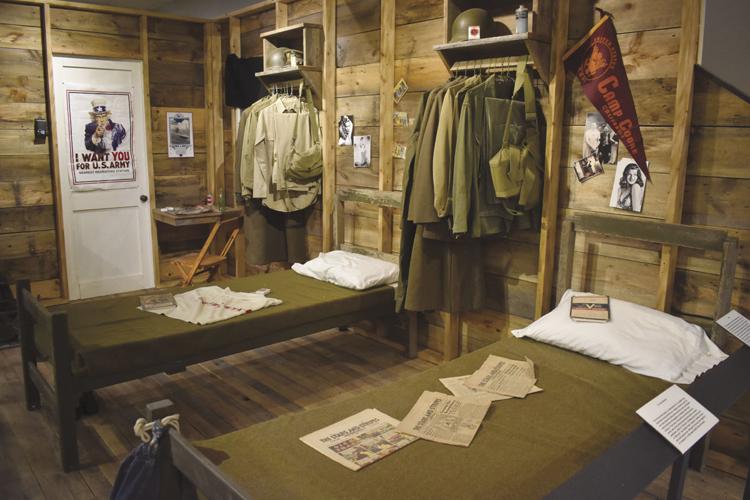
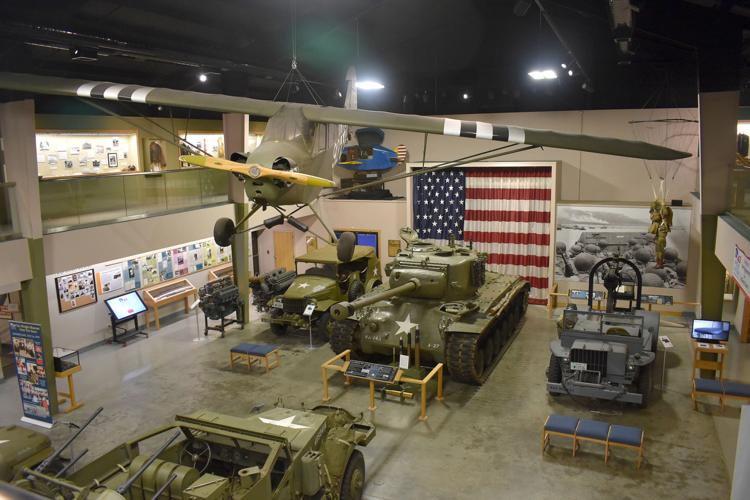
WOLFEBORO — This May, the Wright Museum, currently celebrating its 25th year, set an attendance record for that month. Then, in June, they did it again. And again in July. August isn’t looking too bad, either, and will probably come close to last year’s 5,000 August visitors. In 2018, the museum – which tells the story of America during World War II – set a record with 18,914 visits, and they’re on pace to better that this year.
“I hope we go over 19,000 – I’m hoping to hit 20,” said Mike Culver, executive director.
Culver came to the museum six years ago. He was a bit of an outsider candidate for the job. He had decades of experience as a museum director, but it was all at art museums.
But he’s always had a fascination for American history, especially for the Second World War.
“I fell in love with the mission, with what they do here,” Culver said. “We all figured that if you’re good at running a museum, you’re good at running any museum.”
It turned out to be solid reasoning, at least by attendance figures. When Culver arrived the museum, which is open to the public from May through October and welcomes schoolchildren in the off-season, had about 12,000 yearly visitors.
What drives that growth, which represents nearly a 70% increase over six years? Culver said it comes down to revolving exhibits.
“When I first got here, we didn’t do special shows per year. We started doing two, three special shows per year,” he said. “The shows bring people in. We get people back in two, three times a season.
This year, the Wright Museum started the year by hosting “Righting a Wrong,” a Smithsonian-curated exhibit about the internment of Japanese-Americans during World War II. The current exhibit focuses on Esquire Magazine’s evolution during the war. And starting on Sept. 14, the museum's season will close with “The Last Good War,” which offers photographic and written portraits of World War II veterans as captured by photographer Thomas Sanders and writer Veronica Kavass.
If he builds it, will they come? Not if they don’t know about it. That’s why Culver also boosted the museum’s promotional efforts, sending out more press releases, and increasing its advertising, all with the goal of getting someone to visit the museum for their first time.
“I like to think that if we can get you in the door once, you’ll come back and you’ll tell someone about it,” he said, explaining that word-of-mouth remains the best source of marketing.
In addition to its fixed and rotating exhibits, the Wright Museum also hosts a popular series of educational events. They hold 20 of them each year, with a seating capacity of 100 for each event, and they often sell out. Remaining on the schedule for this year are an Aug. 27 lecture about “The Rice Paddy Navy,” a presentation on Sept. 3 about the equipment and weapons used during the 1944 D-Day invasion, a Sept. 24 concert of songs honoring American veterans performed by Curt Bessette and Jenn Kurtz, and many other events.
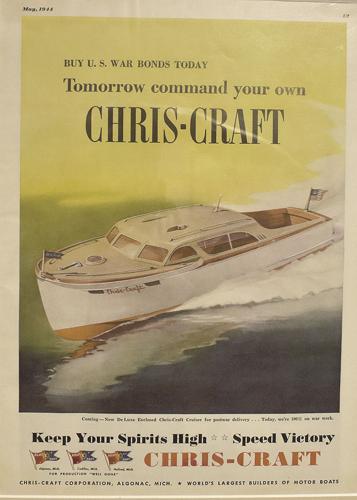
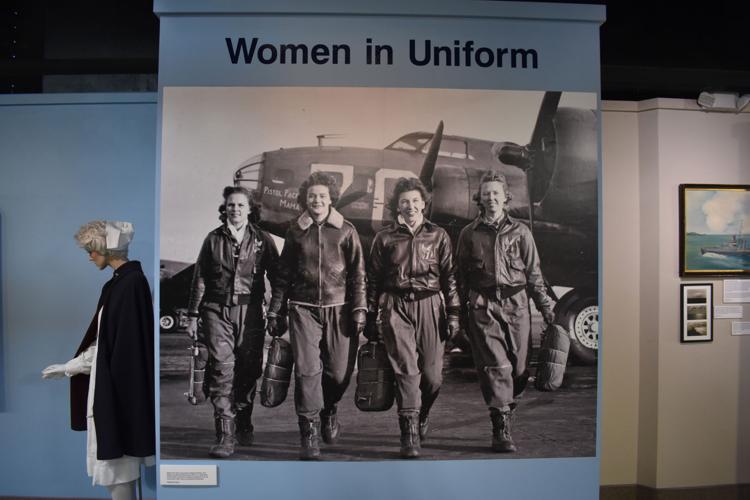
“That period, 1941 to 1945, is such a seminal period in American history,” Culver said. Expansion of women’s roles, the growth of the middle class and the Civil Rights era all were sparked by the United States’ involvement in the global battle. There are myriad other facts of daily life that were minted during that short period – M&Ms were created to give GIs a candy that wouldn’t melt and women’s dresses were shortened to save on fabric, for example.
“Everything changed,” Culver said. His challenge is to inspire people to visit the museum to see how their own lives were affected, whether they know it or not.
One way he meets that challenge is to try to offer a diversity in the educational events and in the rotating exhibits. For example, next summer the lineup of exhibits will include “Vietnam: The Real War,” a photographic exhibit featuring 50 images from the Associated Press archives.
“Look, we’re a World War II museum, but we want to talk about American history in general,” Culver said. He might get visitors who come because they’re interested in photography, or in the Vietnam War. While they’re there, they might discover an interest in World War II.
“History is the thread that runs through every generation," he said. "To be able to let people see that connection is what history museums do.”


(0) comments
Welcome to the discussion.
Log In
Keep it Clean. Please avoid obscene, vulgar, lewd, racist or sexually-oriented language.
PLEASE TURN OFF YOUR CAPS LOCK.
Don't Threaten. Threats of harming another person will not be tolerated.
Be Truthful. Don't knowingly lie about anyone or anything.
Be Nice. No racism, sexism or any sort of -ism that is degrading to another person.
Be Proactive. Use the 'Report' link on each comment to let us know of abusive posts.
Share with Us. We'd love to hear eyewitness accounts, the history behind an article.