


CONCORD ― New Hampshire has the second-oldest population in the United States. According to a report from the New Hampshire Alliance for Healthy Aging, 19% of Granite Staters are age 65 or older, and about one-quarter of that group lives alone. As the state’s population ages, a growing but often overlooked challenge is emerging: mental health concerns among older adults.
Although we recognize Mental Health Awareness Month each May, mental health issues persist year-round. Granite VNA, New Hampshire’s largest nonprofit home health and hospice agency, emphasizes the importance of ongoing awareness and support. The organization is sharing tips and resources to help older adults, caregivers and loved ones recognize signs of depression, anxiety and loneliness, and take steps to address them.
Unlike younger people, older adults are less likely to report emotional distress, leaving conditions such as depression and anxiety underdiagnosed and undertreated. Older adults may quietly experience depression and anxiety linked to loneliness and social isolation, grief over the loss of a spouse or loved one, loss of independence, or cognitive decline. Left unaddressed, these challenges can lead to worsened chronic conditions, reduced quality of life, increased hospitalizations, and poor recovery and symptom management.
“Aging affects mental well-being just as much as physical health,” said Granite VNA Chief Strategy Officer Julie Stone. “Older adults and caregivers must manage both together to support a healthy, fulfilling aging process. It’s critical to recognize potential mental health concerns and their warning signs, and to take action.”
For individuals managing chronic or terminal illness, mental health is especially important. Untreated depression and anxiety can contribute to poorer health outcomes and diminished overall well-being.
Tips for older adults to support mental health include:
- Stay socially connected through phone calls, visits, and community activities
- Maintain a daily routine
- Engage in regular physical activity
- Talk openly with loved ones, caregivers and health care providers
- Explore hobbies and interests
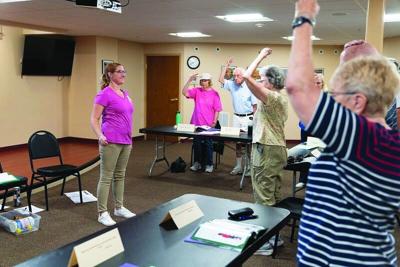
Community and senior centers in many areas offer ways for older adults to connect and engage with others, some even provide transportation. Granite VNA offers programs such as Healthy Steps for Older Adults, A Matter of Balance and StrongerMemory throughout the region to support active aging and independence by promoting physical and mental wellness.
Caregivers and family members also play a vital role. Granite VNA recommends they:
- Check in regularly, especially with those who live alone
- Watch for signs of depression, such as withdrawal, appetite changes, or fatigue
- Offer practical support, including transportation, errands and meal preparation
- Encourage participation in social and community activities
- Help connect loved ones with health care providers and support services
For those who may need additional support, Granite VNA offers community programs such as grief support and bereavement services, caregiver support, and support for those who have experienced the loss of a child.
Additional resources include:
- 988 Suicide & Crisis Lifeline (call or text 988), available 24/7
- NH Rapid Response (call or text 833-710-6477)
- New Hampshire community mental health centers
- New Hampshire Department of Health and Human Services-contracted peer support agencies
- Primary care providers
- 911 for emergencies
For more information, visit granitevna.org.


(0) comments
Welcome to the discussion.
Log In
Keep it Clean. Please avoid obscene, vulgar, lewd, racist or sexually-oriented language.
PLEASE TURN OFF YOUR CAPS LOCK.
Don't Threaten. Threats of harming another person will not be tolerated.
Be Truthful. Don't knowingly lie about anyone or anything.
Be Nice. No racism, sexism or any sort of -ism that is degrading to another person.
Be Proactive. Use the 'Report' link on each comment to let us know of abusive posts.
Share with Us. We'd love to hear eyewitness accounts, the history behind an article.