



(SWNS)
By Lauren Wilkin
A neuroscientist and sleep researcher has issued a warning to 16 million Britons who experience hay fever in the summer.
The Met Office has forecast a "very high" pollen count in the West Midlands and the south of the UK this week as temperatures are expected to soar to the mid-30s.
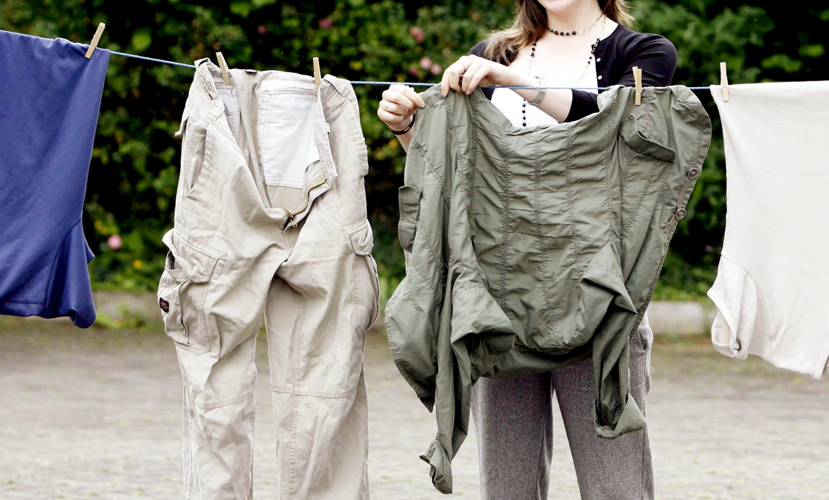
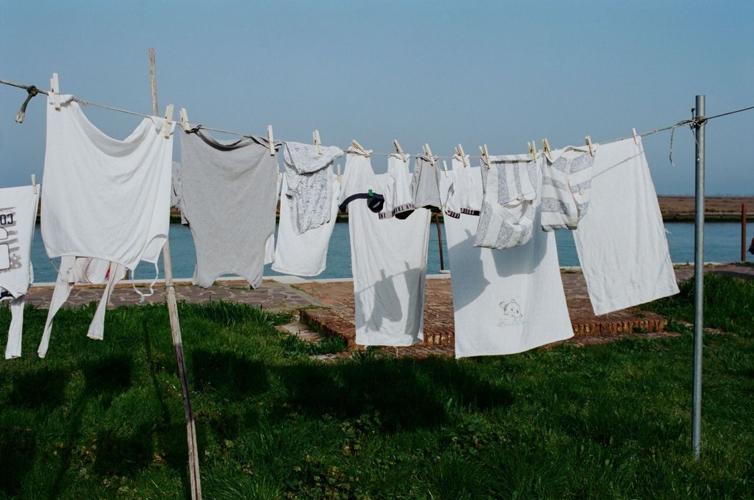
Laura Bojarskaite from the University of Oslo has warned people with allergies against drying their bedsheets outdoors during the heatwave.
"During periods of high pollen counts, bedsheets, pillowcases, and blankets left to dry outdoors can collect pollen grains," she says.
"Bringing those sheets into bed means you’re introducing allergens directly into the environment where you spend seven to nine hours every night, potentially prolonging exposure and worsening symptoms while you sleep."
And this has a detrimental effect on the quality of your sleep.

Photo by Olga Lioncat via Pexels
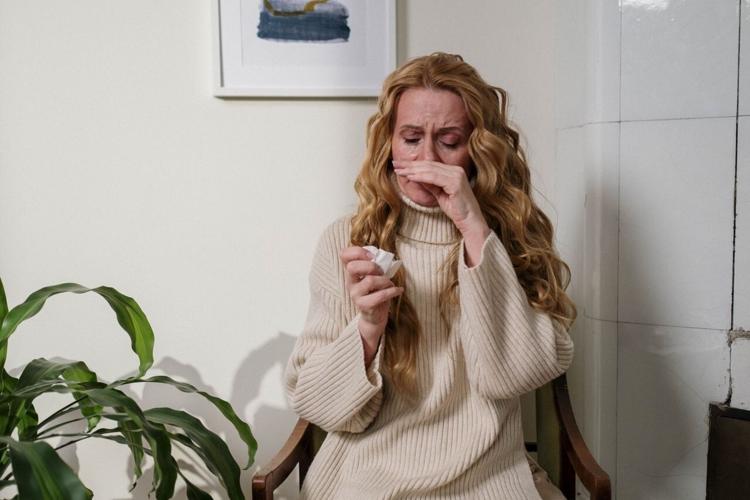
"Hay fever can significantly disrupt sleep, and poor sleep can in turn make allergy symptoms feel even more difficult to cope with," Bojarskaite, whose research has been published in leading journals like Nature Communications, explains.
"This creates a vicious cycle during allergy season."
The symptoms of seasonal allergies, like nasal congestion, sneezing, and itching eyes, can make it harder to fall asleep and stay asleep.
"Nasal congestion is particularly problematic because it increases mouth breathing and sleep fragmentation, reducing the amount of restorative sleep," Bojarskaite explains.
"People with allergic rhinitis are also more likely to experience daytime fatigue, impaired concentration, and reduced cognitive performance," Bojarskaite says, explaining that this is because their sleep has been disrupted.


"Research consistently shows that allergic rhinitis is associated with poorer sleep quality, increased nighttime awakenings, and greater daytime sleepiness."
The Met Office forecast shows both high pollen count and high temperatures for many areas of the country for most of the week.
While some will see this as an opportunity to finally get on top of their laundry pile, for many, that's not the best idea.
"This doesn’t mean everyone needs to avoid drying laundry outside all summer, but during peak pollen days — or if your symptoms are severe — drying bedding indoors or using a clothes dryer is a sensible precaution," Bojarskaite says.
"The goal is to reduce the amount of pollen that reaches your bedroom while keeping your airways as clear as possible."

(Photo by cottonbro studio via Pexels
Bojarskaite says the following can help reduce symptoms at night:
- Keep bedroom windows closed when pollen counts are high, especially in the early morning and evening.
- Shower and wash your hair before bed to remove pollen collected during the day.
- Change out of clothes worn outside before entering the bedroom.
- Avoid drying bedding outdoors during peak pollen season.
- Consider using a HEPA air purifier if allergies are severe.
- Follow your healthcare provider’s recommendations for allergy medications, as controlling symptoms often leads to better sleep.
“Your bedroom should be a recovery environment, not an extension of the outdoors," Bojarskaite says.
"During pollen season, reducing allergens in the bedroom can make a meaningful difference to both your allergy symptoms and your sleep quality.”
One important point is that many people try to compensate for poor sleep by spending longer in bed, Bojarskaite says.
"Unfortunately, if you’re awake because you’re congested or uncomfortable, simply lying in bed longer rarely improves sleep quality," she says.
"Treating the allergy itself is often the most effective way to improve sleep."


(0) comments
Welcome to the discussion.
Log In
Keep it Clean. Please avoid obscene, vulgar, lewd, racist or sexually-oriented language.
PLEASE TURN OFF YOUR CAPS LOCK.
Don't Threaten. Threats of harming another person will not be tolerated.
Be Truthful. Don't knowingly lie about anyone or anything.
Be Nice. No racism, sexism or any sort of -ism that is degrading to another person.
Be Proactive. Use the 'Report' link on each comment to let us know of abusive posts.
Share with Us. We'd love to hear eyewitness accounts, the history behind an article.