



Photo by Dominika P via Pexels
By Stephen Beech
Drought is reshaping how infectious diseases spread, warns a new study.
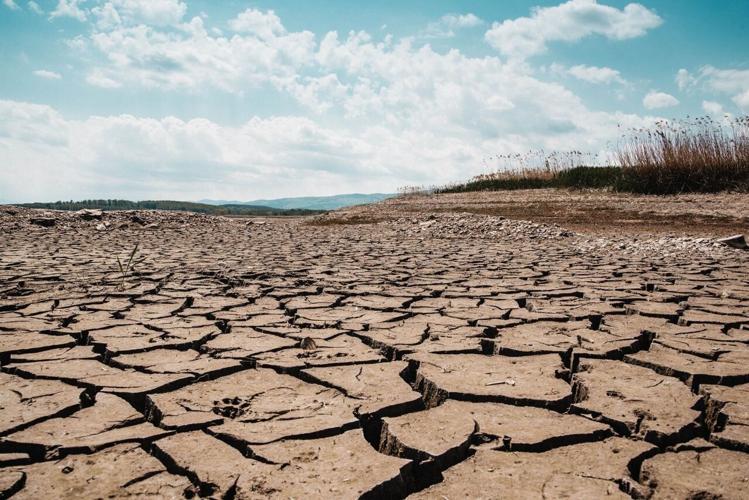
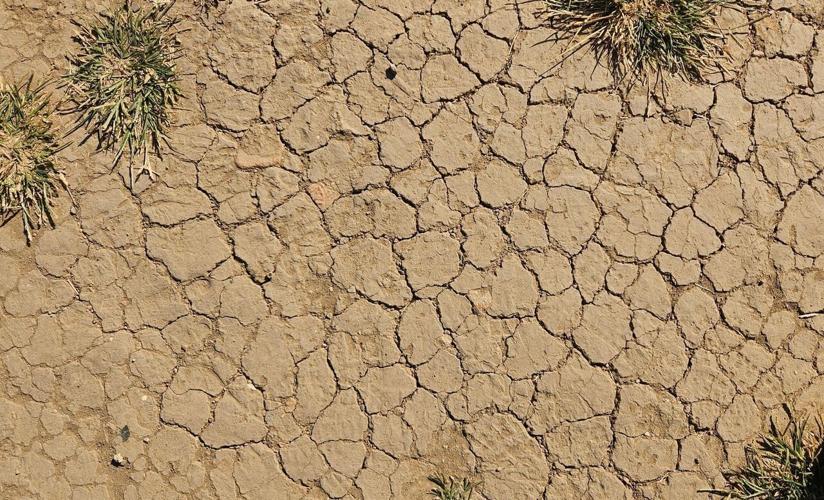
Sustained dry spells are seeing rivers and reservoirs dwindle as well as fueling wildfires and reshaping ecosystems across Europe and the United States.
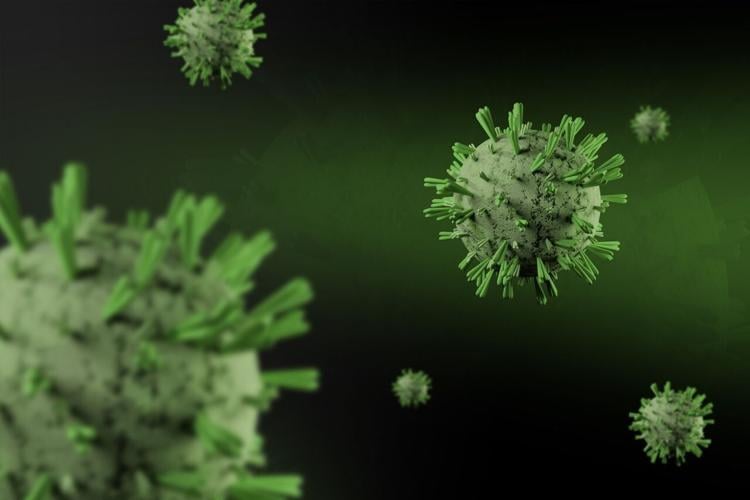
They are also changing the spread of infectious diseases - leading to surges in illnesses such as cholera and West Nile virus around the world, say scientists.
Researchers in the US have shown how drier conditions could make humans and wildlife more vulnerable to certain infectious diseases, even though many parasites and disease-carrying organisms depend heavily on water to survive.
Pieter Johnson, of the University of Colorado at Boulder, said: "Climate change isn't simply making Earth warmer or drier.
"It is making droughts more variable and less predictable.
"That unpredictability is becoming one of the defining challenges for understanding and managing disease in natural ecosystems."
Over the past few decades, more than 77% of Earth's land experienced drier conditions, according to a United Nations report.
The worst megadrought in 1,200 years in the western United States has drained crucial reservoirs such as Lake Mead to only a third of their capacity.

Photo by Daniel Dan via Pexels
Rising temperatures driven by climate change are making droughts more frequent, more intense and more widespread.
While many infectious diseases are transmitted in water or through hosts such as mosquitoes that rely on water to reproduce, Johnson says drought doesn't simply make those diseases disappear.
For example, previous studies have found that periodic droughts in Florida increased the spread of St. Louis encephalitis virus, which is transmitted to people through infected mosquitoes.
Ecologist Johnson first noticed shifts in disease patterns while studying waterborne parasites in California that cause infected frogs to develop additional limbs, which in turn make them more vulnerable to predators.
When a severe drought hit the state in 2014, Johnson and his team noticed that shrinking ponds forced amphibians to concentrate in remaining water bodies, resulting in more severe infections among frogs and higher infection rates.


He said: "That got us curious about why the loss of water sometimes kills off pathogens, but in other cases actually amplifies them.
"It seemed that the effects of drought on disease patterns are not linear."
To better understand how drought affects disease transmission, Johnson and his study co-author Tara Stewart Merrill, from the Cary Institute of Ecosystem Studies, synthesized nearly 100 previous studies and identified the main mechanisms through which infectious diseases may respond to drought.
Johnson says one key pathway is that as drought dries up rivers and ponds, animals have to congregate around the remaining watering holes and habitats.
He said: "These places can become hotspots for parasite transmission, as happened with the frogs in California."
The research team also found that droughts can make certain parasites and disease carriers that are adapted to harsh conditions more successful.
In North America, mosquito-borne diseases such as West Nile virus and St. Louis encephalitis virus have become more prevalent, in part because dwindling water levels have reduced the aquatic organisms like dragonfly larvae that prey on mosquito larvae.

Photo by Curraw K via Pexels
Valley fever, a fungal disease, infects people and other animals through contaminated dust, which is more abundant in drier times.
But Johnson says not every pathogen benefits from drought.
Chytrid fungus, a deadly pathogen partially responsible for global amphibian declines, tends to spread poorly under dry conditions.
Johnson said: "We are expecting to see shifts in the types of parasites and diseases that predominate in a drying world.
"Some infections will disappear in certain places, but under different conditions, transmission can become so intense that it offsets the loss of infection elsewhere."
To predict which pathogens might become winners or losers as drought intensifies, Johnson identified characteristics that may determine their success.
The findings, published in the journal Trends in Ecology & Evolution, showed that pathogens that can infect a variety of hosts, such as avian flu, are likely to fare better than specialists that infect only a single species, such as measles.
Johnson says those that can survive outside aquatic environments and make their way to terrestrial animals will have an edge over those confined to aquatic species.
He added: "As climate change brings more frequent and extreme droughts, we want to anticipate how disease transmission will change so we can better forecast outbreaks and prepare for them."


(0) comments
Welcome to the discussion.
Log In
Keep it Clean. Please avoid obscene, vulgar, lewd, racist or sexually-oriented language.
PLEASE TURN OFF YOUR CAPS LOCK.
Don't Threaten. Threats of harming another person will not be tolerated.
Be Truthful. Don't knowingly lie about anyone or anything.
Be Nice. No racism, sexism or any sort of -ism that is degrading to another person.
Be Proactive. Use the 'Report' link on each comment to let us know of abusive posts.
Share with Us. We'd love to hear eyewitness accounts, the history behind an article.