


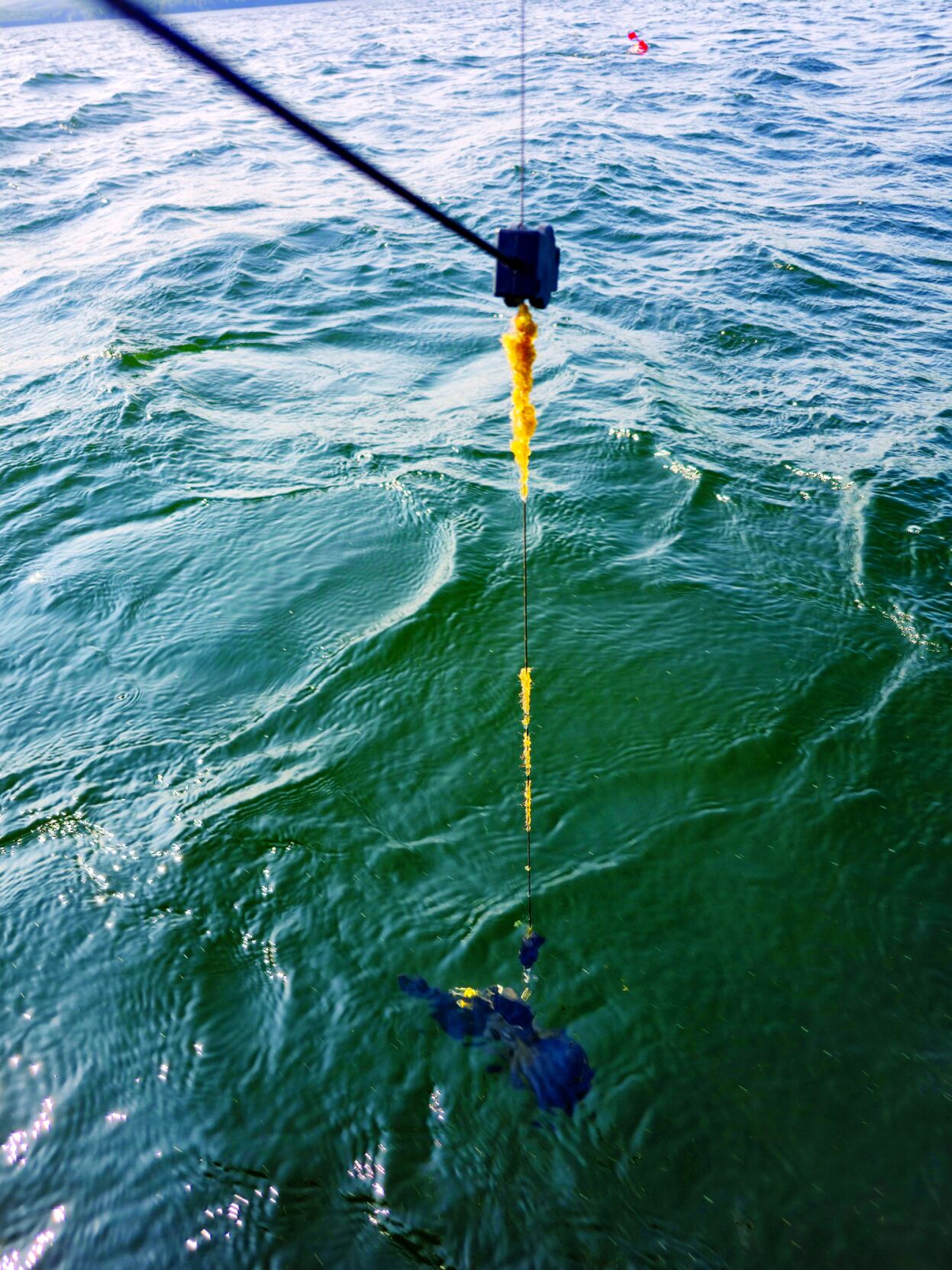
It’s Fourth of July weekend in the Lakes Region, and thousands are flocking to the area to enjoy our beaches, boating, and the full range of recreation our lakes provide. But with so many boats, trailers, jet skis, kayaks, and fishing gear moving between waterbodies, this is one of the most critical times of year for the spread of aquatic invasive species, or AIS
AIS are non-native plants and animals that disrupt ecosystems, reduce biodiversity, and impact recreation. Several are already present in our watershed, including variable milfoil, brittle naiad, water violet, the mystery snail, and the newest infestation: the spiny water flea.
The spiny water flea is small but incredibly resilient. It outcompetes native zooplankton that fish rely on for food, potentially reducing growth and survival rates. Even more concerning, its spiny, barbed tail can get caught in the gills of small fish, causing damage and making it harder for them to feed or breathe. It reproduces rapidly and spreads easily, clinging to fishing lines, anchor ropes, and trailers, even after drying out. Its eggs are even more durable, capable of surviving for months or years before hatching. There are no known methods to remove spiny water fleas once they’re established in an area, which is why prevention is our best defense, and every lake user has a role to play.
Before launching or leaving any lake, all visible plants, animals, and mud should be cleaned from boats, trailers, and gear, including fishing equipment, paddles, life jackets, and anchors. Less obvious areas like rollers and wheel wells shouldn’t be overlooked. Water should be drained from the boat, bilge, live wells, ballast tanks, and bait buckets before leaving the launch site. Everything should be dried thoroughly before visiting another waterbody, and if possible, boats and equipment should be left to dry for at least five days.
Preventing the spread of invasive species is just one part of lake stewardship. How we recreate matters, too. Boaters are reminded to follow New Hampshire’s 150-foot rule, which requires maintaining at least 150 feet of distance from shorelines, docks, swimmers, and other boats, and traveling at headway speed when within that distance.
This reduces erosion, protects wildlife, and keeps everyone safe. We also encourage boaters to follow the Wake Responsibly campaign, which encourages water sports users to avoid repetitive passes, keep music at a reasonable level, and stay at least 200 feet from shore when wakeboarding or surfing.
Looking to do more? You can join the NHDES Weed Watcher Program to help monitor your local shoreline for invasive plants or become a Lake Host through NH LAKES and assist with boat inspections and education at launch sites. You can also support the Lake Winnipesaukee Alliance, which leads water quality monitoring, restoration projects, and long-term watershed protection.
As you celebrate this Fourth of July weekend, recreate responsibly, be respectful on the water, and take simple steps to help keep our lakes clean and healthy. Stay safe, have fun, and let’s work together to protect this place we all love.
•••
Bree Rossiter is the conservation program manager for the Lake Winnipesaukee Alliance. She leads the water quality and cyanobacteria monitoring efforts, coordinates the LakeSmart program to promote lake-friendly practices among property owners, and supports community education and outreach initiatives. Bree can be reached at brossiter@
winnipesaukee.org. The Lake Winnipesaukee Alliance is the only nonprofit dedicated to protecting the water quality and natural resources of Lake Winnipesaukee and its watershed. To learn more visit


(0) comments
Welcome to the discussion.
Log In
Keep it Clean. Please avoid obscene, vulgar, lewd, racist or sexually-oriented language.
PLEASE TURN OFF YOUR CAPS LOCK.
Don't Threaten. Threats of harming another person will not be tolerated.
Be Truthful. Don't knowingly lie about anyone or anything.
Be Nice. No racism, sexism or any sort of -ism that is degrading to another person.
Be Proactive. Use the 'Report' link on each comment to let us know of abusive posts.
Share with Us. We'd love to hear eyewitness accounts, the history behind an article.