


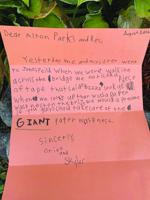
ALTON — Concerns about a local park were recently relayed to the town’s parks & rec department via a handwritten note on a piece of pink c…

Research shows that pollinators find it hardest to forage for nectar at this time of year, particularly in August.
The New Hampshire Pesticide Control Board on Monday released a proposal to restrict the use of certain chemicals that scientists say may be harming wildlife. The proposed changes to the rule known as Pes 700 would impose new restrictions on a handful of chemicals used to kill rodents and insects. But the limits are less […]
A unique kind of beast emerges from the marshlands of the East Coast each July. New England beachgoers know them well: With bulging, Kelly green eyes, and mouthparts that slice into their targets’ skin like scissors, greenhead horseflies can’t be ignored. But with enough data, they can, perhaps, be avoided — at least, that’s what […]

The birds, which are partial to munching on the insects, have been seen woozy and staggering around particularly in coastal towns.

Experts have accepted an estimate of around six million living insect species, an appraisal that has stood for the last 40 years.

By Stephen Beech Day-old caterpillars one-twentieth the size of a grain of rice can recognize the footsteps of predatory ladybugs, reveals new research. Warty birch caterpillars, less than 1.5 millimeters (0.06 inches) long, defend their leaf tip homes from invading caterpillars by scraping and pounding the leaf to warn off potential invaders. But scientists were […]

Franklin was working on its opioid problem.
WOLFEBORO ― The First Congregational Church UCC, at 115 S. Main St., is hosting a presentation by the Six Legged Society’s Tonya Albee and Bob…