


LACONIA — Beginning July 1, it’ll be illegal to put rechargeable lithium-ion batteries in the trash.
Those items have to be recycled through battery collection programs and can’t be mixed with regular recycling. The new ban is an add-on to an existing state law which includes lead acid batteries and other consumer electronic devices.
Under RSA 149-M:27, lithium-ion batteries will soon be prohibited from disposal at landfills and incinerators across the Granite State in an effort to reduce the risk of fires at solid waste facilities. Residents and businesses are affected by the ban.
The RSA doesn't define penalties for violation.
You can find lithium-ion batteries in many rechargeable devices, including electric bikes and scooters; lawn care equipment; portable devices such as cell phones, laptops, tablets, wireless headphones and Bluetooth speakers; children’s toys; and personal care items including toothbrushes, shavers and waterpicks. They’re also in items including vehicles and cordless power tools.
When crushed or damaged in any way, lithium-ion batteries can ignite, causing intense fires, according to the New Hampshire Department of Environmental Services. They’ve become a leading cause of fires for both trash haulers and waste management facilities — a report from the National Waste and Recycling Association estimated more than 5,000 fires occur at waste management facilities each year, many caused by lithium-ion batteries.
The law further requires municipalities, solid waste districts, and landfills and incinerators to share educational materials on safe handling and recycling of lithium-ion batteries, lead acid batteries and electronics. They’re encouraged to provide opportunities to recycle those items, too.
Businesses such as Staples, Best Buy, Home Depot and BatteriesPlus often offer collection boxes for battery recycling.
Find a collection site near you by visiting Call2Recycle.org.
Residents and businesses can contact the New Hampshire Department of Environmental Services Household Hazardous Waste Program at hhw@des.nh.gov or 603-271-2047. Businesses should contact the Hazardous Waste helpline at 866-HAZ-WAST.
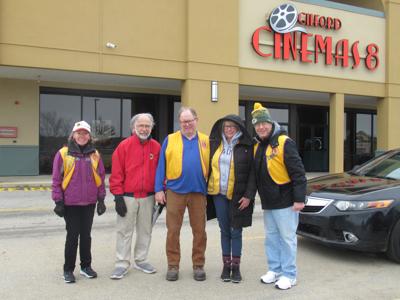
Along these lines in the Lakes Region, the Laconia-Gilford Lions Club is hosting an electronic waste collection day 8:30 a.m. to 12:30 p.m. on Saturday, April 12, in the parking lot at Gilford Cinemas 8.
The collection event could represent the perfect opportunity to get rid of old computers, air conditioners, laptops, phones, television sets or other items sitting around gathering dust.
It’s a fundraising event — for a low fee, they’ll take old electronic items and recycle them.
The Lions are an independent, private, volunteer-run nonprofit organization which contributes to a litany of causes, seeking to lend particular support to organizations which make a significant local impact. The recycling collection event is both a service opportunity and a chance to support local organizations like Isaiah 61 Cafe, Belknap House, The Salvation Army, and the Boys & Girls Club and they help by funding scholarships. Additionally, Laconia-Gilford Lions contributes to food banks and pantries throughout the region, including the Community Action Program food pantry.
“Hunger is another one of the Lions’ key causes,” Lions member Matt Soza said Tuesday.
One cause high up on their list is protecting the environment and reducing the impact of electronic waste by disposing of it safely and sustainably, Soza said.
“We take a particular interest in recycling,” Soza said. “Electronics are more important than ever in people’s lives.”
The Lions generally hold such a collection event twice a year with the help of Aurum, a private business which works with, among others, the State of New Hampshire, and provides expertise regarding electronics disposal and recycling.
“We couldn’t do it on our own,” Soza said. “There’s a need for it.”
The collection event has seen considerable success in the past — people bring all manner of used equipment for collection. Soza’s seen everything from refrigerators to washers and dryers in years past.
“It doesn’t matter the size,” he said. “There’s limited opportunities for them to dispose of these types of items.”
“The disposal charge is almost always less than the prices at local transfer stations,” a press release about the event reads. Cash and checks payments only are accepted.
Lions Club volunteers will help members of the public unload their items for recycling, and you don’t have to be a resident of Gilford or Laconia to take part in the event.
Items such as personal computer towers; personal computer LCD monitors; servers; CD and DVD players; camcorders; audio/visual equipment; VCRs; speakers; copiers; faxes; scanners; printers; cell phones and landline phones; phone systems; humidifiers and computer accessories are all accepted as small items.
They’ll also take microwaves, air conditioners and dehumidifiers, CRT monitors and televisions. For TVs which require multiple people to lift or CRT monitors over 50 pounds, the item will be weighed onsite to determine an extra fee. Anything with a cord not listed will also be accepted.
While not electronics, Teflon pots and pans are accepted.
Items which cannot be taken are smoke detectors; oils; paints; thinners; batteries other than car batteries; tires; items containing mercury like fluorescent or CFL lightbulbs or thermometers, capacitors, ballasts; and any other hazardous waste.
“You’ll not only help the environment by disposing of your unwanted electronics responsibly but also help the Lions, the largest service organization in the world, raise funds to meet pressing needs in our community: eye exams, eye glasses, hearing aids, food pantries, college scholarships, holiday food baskets for needy families, youth sports programs, are just a few of the local charitable organizations that we assist,” the release reads in part. “All that for a disposal fee that, in most cases, is less than the cost at local transfer stations.”


(0) comments
Welcome to the discussion.
Log In
Keep it Clean. Please avoid obscene, vulgar, lewd, racist or sexually-oriented language.
PLEASE TURN OFF YOUR CAPS LOCK.
Don't Threaten. Threats of harming another person will not be tolerated.
Be Truthful. Don't knowingly lie about anyone or anything.
Be Nice. No racism, sexism or any sort of -ism that is degrading to another person.
Be Proactive. Use the 'Report' link on each comment to let us know of abusive posts.
Share with Us. We'd love to hear eyewitness accounts, the history behind an article.