


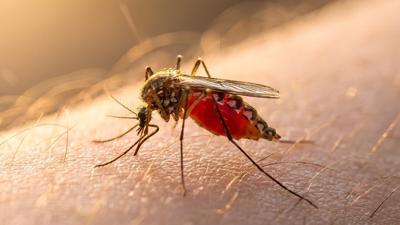

Why do mosquito bites itch? The science and how to stop it
That familiar, maddening itch after a mosquito bite is one of summer's most annoying experiences. The science behind why mosquito bites itch involves a complex interaction between mosquito saliva and the human immune system. Understanding this process helps explain why some people react more severely than others and what actually works to stop the itching.
West Nile virus cases increased by 28% in 2025, and 2,396 cases of dengue fever were reported to the Centers for Disease Control and Prevention throughout 2025, making proper bite management and prevention important. In this article, Doctronic explores the science behind mosquito bites and how to prevent them from ruining your summer.
Key Takeaways
- Mosquito bites itch because the immune system releases histamine in response to proteins in mosquito saliva.
- Female mosquitoes are the only ones that bite, needing blood proteins to develop their eggs.
- Cold compresses, antihistamines, and hydrocortisone cream provide the most reliable itch relief.
- Scratching damages the skin barrier and can lead to infections, prolonging healing time.
- Prevention through DEET, picaridin, or oil of lemon eucalyptus remains the most effective strategy.
- Seek medical attention if bites show signs of infection or if symptoms of mosquito-borne illness develop.
The Anatomy of a Mosquito Bite
Why Female Mosquitoes Need Blood
Only female mosquitoes bite humans. Males survive entirely on plant nectar and never require blood meals. Females need specific proteins found in blood to produce eggs. Without these proteins, their reproductive cycle cannot be completed. A single blood meal allows a female mosquito to lay between 100 and 300 eggs, making human blood essential to mosquito population growth.
The Mechanics of the Proboscis
The mosquito's proboscis is not a simple needle. It contains six different mouthparts that work together during feeding. Two of these parts have tiny teeth that saw through skin, while others hold the tissue apart. A separate tube injects saliva while another draws blood. This complex process takes between two and three minutes when undisturbed.
The Biological Reason Behind the Itch
Anticoagulants and Salivary Proteins
Mosquito saliva contains over 100 different proteins. Many of these act as anticoagulants, preventing blood from clotting while the mosquito feeds. Without these chemicals, blood would thicken and block the mosquito's feeding tube. The body recognizes these foreign proteins as invaders and mounts an immune response. This response, not the bite itself, causes the itch.
The Role of Histamine in Immune Response
When mosquito saliva enters the skin, immune cells called mast cells release histamine. Histamine causes blood vessels to dilate, creating the characteristic red bump. It also triggers nerve endings in the skin, producing the itch sensation. This process evolved to alert the body to potential threats, but in the case of mosquito bites, it creates discomfort without providing real protection. The swelling and itching typically peak within a few hours to two days, then gradually subside.
Why Reactions Vary Between Individuals
First-time bite victims often show no reaction at all. The immune system has not yet learned to recognize mosquito saliva as foreign. With repeated exposure, the body develops antibodies that trigger stronger reactions. Children and people new to an area often experience more severe itching because their immune systems are still learning. Some people eventually develop tolerance after years of exposure, while others remain highly reactive throughout life.
Immediate Relief Strategies for Itching
Over-the-Counter Topical Treatments
Hydrocortisone cream at 1% concentration reduces inflammation and itching within minutes. Apply a thin layer directly to the bite and the surrounding area. Calamine lotion provides a cooling sensation that temporarily masks itch signals. Antihistamine creams containing diphenhydramine block histamine receptors locally. Oral antihistamines such as cetirizine or loratadine act systemically and can help when multiple bites are present.
Cold Compresses and Temperature Therapy
Cold constricts blood vessels and numbs nerve endings, providing immediate relief. Apply an ice pack wrapped in cloth for 10 to 15 minutes at a time. Avoid placing ice directly on the skin, as this can cause frostbite. Some people find brief heat application helpful. Running hot water over the bite for a few seconds can temporarily overwhelm itch receptors, providing short-term relief.
Natural and Home Remedies
Aloe vera gel soothes irritated skin and may reduce inflammation. Baking soda paste made with water creates an alkaline environment that can calm itching. Honey has natural antibacterial properties and forms a protective barrier. Diluted tea tree oil, when applied with a carrier oil, may reduce swelling. While these remedies work for some people, they lack the clinical evidence supporting pharmaceutical options.


The Dangers of Scratching
Skin Barrier Damage and Infection Risks
Scratching tears the skin's protective barrier, allowing bacteria to enter. Staphylococcus and Streptococcus bacteria commonly live on the skin and can cause serious infections when introduced into wounds. Infected bites become red, warm, swollen, and may produce pus. These infections sometimes require antibiotics to resolve. Children are particularly vulnerable because they struggle to resist the urge to scratch and often have dirtier fingernails.
The Itch-Scratch Cycle Explained
Scratching provides momentary relief but actually makes itching worse. Physical damage to skin triggers more histamine release from mast cells. This creates a feedback loop in which scratching triggers more itching, which in turn triggers more scratching. Breaking this cycle requires conscious effort and alternative methods of relief. Covering bites with bandages can prevent unconscious scratching, especially during sleep.
Prevention and Long-Term Protection
Effective Repellents: DEET, Picaridin, and Oil of Lemon Eucalyptus
DEET remains the gold standard for mosquito repellent, providing protection for up to eight hours at 30% concentration. Picaridin offers similar effectiveness without the greasy feel or damage to synthetic fabrics. Oil of lemon eucalyptus is the most effective plant-based option, approved by the CDC for protection against mosquito-borne diseases. Apply repellent to exposed skin and clothing, avoiding eyes, mouth, and open wounds. The CDC and Environmental Protection Agency emphasize that prevention remains the most reliable strategy against mosquito-borne infections.
Environmental Control and Eliminating Breeding Grounds
Mosquitoes breed in standing water. Emptying containers, cleaning gutters, and maintaining pools eliminates local breeding sites. A single bottle cap of water can produce dozens of mosquitoes. Peak mosquito activity occurs at dawn and dusk, making these times the highest risk for bites. Wearing long sleeves and pants during these hours provides physical protection without chemicals.
When to Seek Medical Attention
Most mosquito bites resolve within a week without medical intervention. Seek care if a bite shows signs of infection: increasing redness, warmth, swelling, or pus. Fever, severe headache, body aches, or rash following a bite may indicate West Nile virus or other mosquito-borne illness and require immediate evaluation. People with compromised immune systems should monitor bites closely.
Frequently Asked Questions
How long do mosquito bites typically last?
Most bites heal within three to seven days. Scratching extends healing time significantly. Bites that persist beyond two weeks or worsen over time may indicate an infection or an allergic reaction, requiring medical attention.
Can mosquito bites transmit diseases?
Yes. Mosquitoes transmit West Nile virus, Zika, dengue, and other serious illnesses. Most bites in the United States do not result in disease transmission, but risk increases in certain regions and during outbreaks.
Why do some people get bitten more than others?
Mosquitoes are attracted to carbon dioxide, body heat, and certain skin bacteria. People who produce more of these attractants get bitten more frequently. Blood type, metabolism, and even clothing color influence bite frequency.
Is it safe to use DEET on children?
The American Academy of Pediatrics approves DEET for children over two months old at concentrations up to 30%, applied sparingly to exposed skin and clothing. Avoid the hands, eyes, and mouth.
The Bottom Line
Mosquito bite itching results from an immune response to saliva proteins, and relief comes from antihistamines, cold therapy, and avoiding scratching.
This story was produced by Doctronic and reviewed and distributed by Stacker.


(0) comments
Welcome to the discussion.
Log In
Keep it Clean. Please avoid obscene, vulgar, lewd, racist or sexually-oriented language.
PLEASE TURN OFF YOUR CAPS LOCK.
Don't Threaten. Threats of harming another person will not be tolerated.
Be Truthful. Don't knowingly lie about anyone or anything.
Be Nice. No racism, sexism or any sort of -ism that is degrading to another person.
Be Proactive. Use the 'Report' link on each comment to let us know of abusive posts.
Share with Us. We'd love to hear eyewitness accounts, the history behind an article.