



(Katriona Shovlin via SWNS)
By Isobel Williams
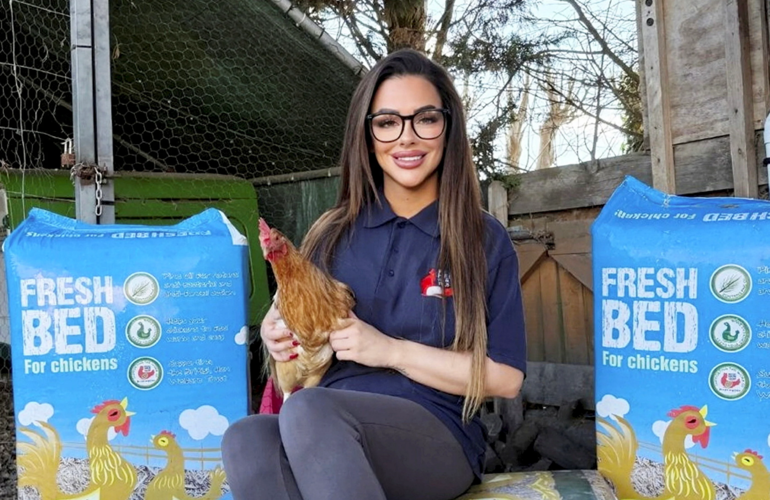
The owner of a five-star hotel for chickens says she fears for the future of her business after three months of a bird flu "flockdown."
Katriona Shovlin, 33, who runs the luxury bird boarding business Hen Weekend in Upchurch, Kent, had to shut down in October after news of a bird flu outbreak nearby.
The entrepreneur launched her female-only 'hennels' in 2023 and charges $3 per bird per day - which includes soft bedding, a full menu and access to a Wendy house and swings.
Soothing tunes also play on a loop - including Classic FM and the soundtrack from the hit film Up - and there is a dust bath where the chickens can wash.
The business had been thriving and was booked solid, with Kat needing to open a second hotel and even appearing on the BBC show Dragon’s Den to pitch her unique idea.
However, on October 28 she got a shocking call from the Department for Environment, Food and Rural Affairs (Defra) announcing a lockdown as there was a confirmed bird flu case nearby.

(Katriona Shovlin via SWNS)
The mom-of-one immediately had to close her business, and she was unable to move the hens in her care or give them back to their owners without a special licence.
Kat said: “I was worried because I was getting text updates and the cases seemed to keep getting closer to home. There was a huge outbreak only a mile away.
“We got a phone call to say that bird flu restrictions have been announced in my area, and I had been put into a 3km control zone. It meant that I couldn’t operate.
“It is similar to Covid. We would refer to it as a ‘flockdown’.
“I was upset because this is my life. In the last two years it has become so busy, and it hit the ground running so to have it suddenly shut was upsetting.”
Kat says that she has been struggling both mentally and financially since the 'flockdown' began, as she has lost her main source of income.
On top of her own nine hens, the mom took on a flock of eight chickens in January last year after the owner fell ill, and she has since been unable to send them home.


This means she is still being paid a small amount by that owner, but Kat claims this money is only enough to cover the bird’s food.
The ‘hen- trepreneur’ says she has been feeling extremely isolated, with no ability to see clients or do her usual visits to local schools and nursing homes.
Kat, who also does admin for a limousine company, added: “It is my main income, so it has been a struggle. I have been trying to think of some way that I can operate but I can’t really. I won’t give up.

(Katriona Shovlin via SWNS)
“I never get to see anyone. It is all done through text message and it is just not the same. I am very isolated.
“Most businesses these days rely on social media, and I haven’t had the mental capacity to get behind the camera. It is quite sad really.
“I am not sure if we will survive this. I like to remain hopeful, and I have a lot of passion. I do it for the love of hens and I want to see all other hen owners get through it as well.
"I feel like if I don’t get through it then other people might give up.”
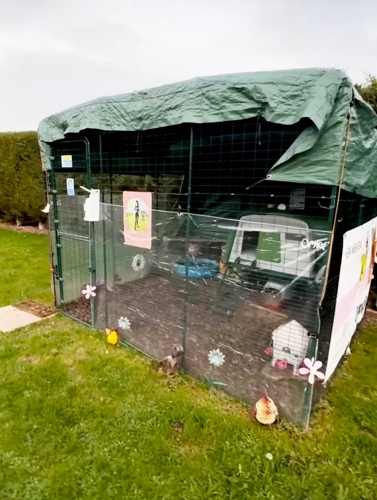
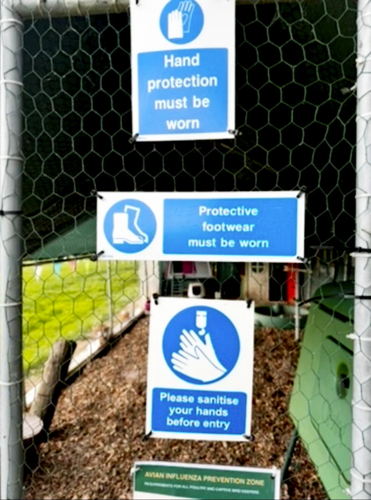
Many preventative measures have been introduced at the site, with hens locked away at all times, coverings placed on the roof, and netting installed to stop other birds getting in.
Kat must also dip her shoes in disinfectant and change clothes every time she enters their enclosure.
Defra have inspected the site, but Kat says they need to check everyone in the area before they can lift restrictions- leaving the owner clueless when the 'flockdown' will end.
She said: “I know that the measures have been put in place for a good reason. They won’t be lifted until there are no more cases.
“All the hens want to do is come out and roll around in the grass and be free. We put a lot of enrichment out for them, however birds need a lot of mental stimulation so it can be difficult.”
A Defra spokesperson said: “We continue to closely monitor the avian influenza outbreak and understand the devastating effects it can have on businesses.
“Our priority is always to minimise the suffering to poultry and protect livelihoods and housing measures have been an effective measure to reduce the likelihood of flocks being infected.”





(0) comments
Welcome to the discussion.
Log In
Keep it Clean. Please avoid obscene, vulgar, lewd, racist or sexually-oriented language.
PLEASE TURN OFF YOUR CAPS LOCK.
Don't Threaten. Threats of harming another person will not be tolerated.
Be Truthful. Don't knowingly lie about anyone or anything.
Be Nice. No racism, sexism or any sort of -ism that is degrading to another person.
Be Proactive. Use the 'Report' link on each comment to let us know of abusive posts.
Share with Us. We'd love to hear eyewitness accounts, the history behind an article.