



Hannah McClune
By Olivia Stringer
An aesthetics doctor says patients seeking cosmetic procedures using AI-generated images of themselves has doubled in a year amid a "worrying" new trend.
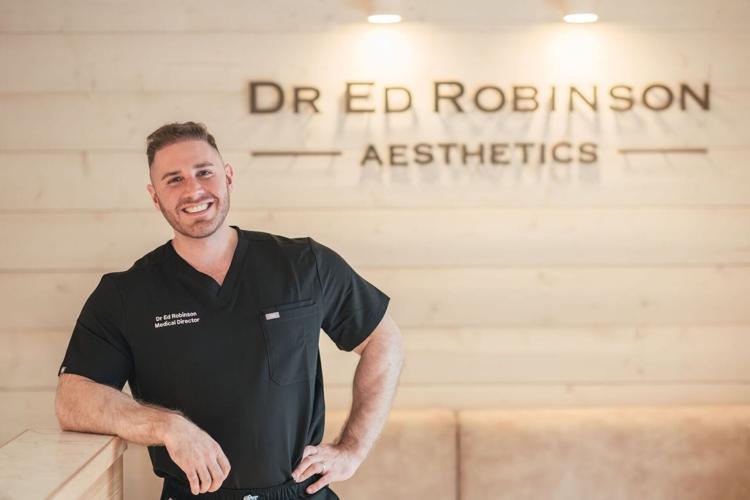
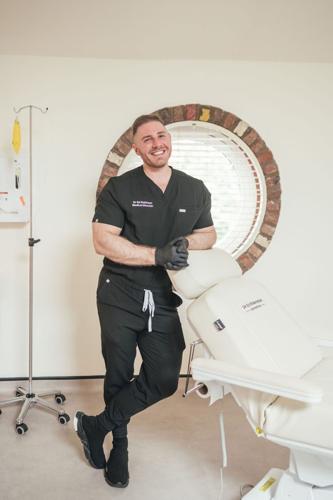
Dr. Ed Robinson, 33, first noticed people using AI in their consultations last year — and now says 20% of his patients currently use AI at some point during their journey.
Increasingly, he is seeing people ask for "baffling and ridiculous" procedures, suggested to them by AI, and said that although he will not perform anything unsafe, as the industry is so unregulated, people will be able to find practitioners that will do "whatever they are asked."
Robinson, who is based at Dr. Ed Robinson Aesthetics, Altrincham, Manchester, said: "Last year I really noticed an increase in patients using AI in their consultations, and it can be quite worrying.
"I did five new consultations yesterday, and two of the five brought in AI generated images of themselves.

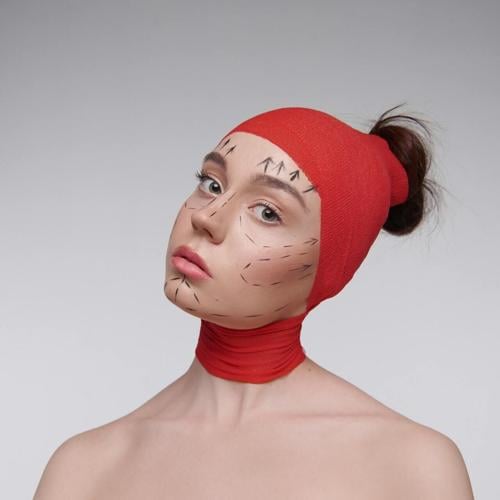
(Photo by Ben Lyric via Pexels)
"People will upload images of themselves to sites like ChatGPT, and either ask it to create a perfect AI image of themselves, or ask it to give them a list of procedures they should have.
"Sometimes the suggestions are subtle and achievable, but other times they're baffling and unrealistic.
"A lot of the time in my consultations is spent explaining that the suggestions aren't necessarily what they want, but as the industry is so unregulated, people will just find practitioners that will do whatever they ask for, which just ends up in poor outcomes.
"Social media is making us more used to seeing AI filtered images of ourselves which is making people strive for a level of perfection that wasn't there before.
"AI images can be a good point for discussion in consultations, but don't be surprised when what's recommended by your practitioner is quite significantly different."
Robinson first noticed an increase in patients using AI during consultations around a year ago, and said that there are two main ways that people use it.

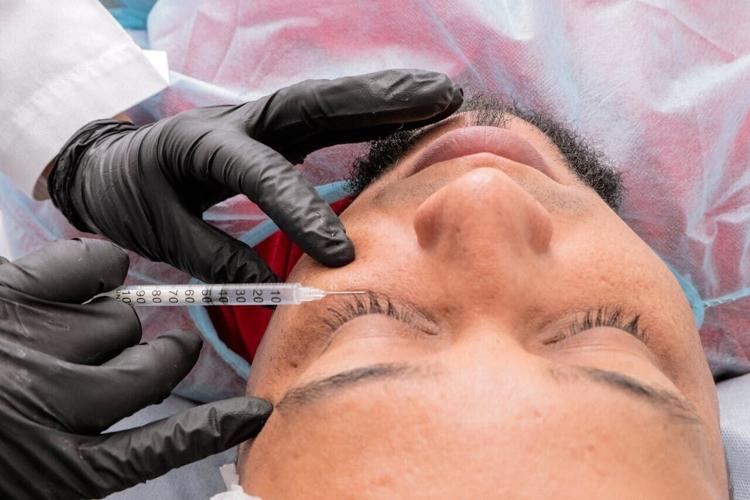
(Photo by Omar Medina via Pexels)
After uploading a picture of themselves to a platform such as ChatGPT, people will either ask the chatbot to create a "perfect" AI image of themselves, or ask the AI what types of surgery they should have.


Robinson said that this has varying levels of success, as although sometimes the chatbot suggests things that are "subtle and achievable," other times, it sets unrealistic expectations.
"They are getting slightly more refined, but when people first started doing it a year ago, the suggestions were ridiculous," he said.
For example, he revealed that chatbots often advise anyone with "shadowing or hollowness" under their eyes to have tear trough filler, whereas only about 5% of the population are suitable candidates, as the under-eye area is "complex and delicate."
"If you inject tear trough filler into someone who's not a good candidate they'll get lots of swelling, puffiness, visible lumps and blue tinges under their skin," he said.

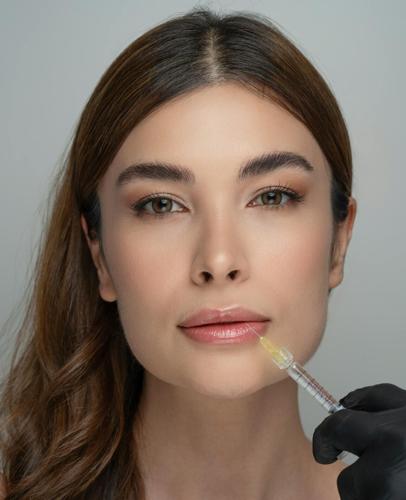
(Photo by Farhad Irani via Pexels)
Robinson added, that as people are just uploading 2D images to the chatbots, they aren't sharing an accurate representation of their facial structure.
"You need to be able to assess someone's face from lots of different angles, and see what lots of their facial expressions are like," he said.
Robinson revealed that he is usually able to persuade people away from unrealistic AI generated expectations, but added that some people are persistent, and, as the industry is so unregulated, will likely be able to find a practitioner that will administer potentially dangerous procedures.
He said that around 20% of his patients currently use AI at some point during their journey, compared to around 10% last year, and 0% the year before.
Gen Z are the demographic most likely to bring AI generated images of themselves to Robinson, while people in their 40s and 50s, most commonly bring in lists of AI suggested treatments.

Hannah McClune
Some of the most common AI suggested procedures that people ask for include "profile balancing," where dermal fillers are used to make someone's side profile look more cohesive, and in males, "masculinization," where dermal fillers are used to enhance the jawline.
Robinson said that as we are so used to seeing people on social media, whose faces have been altered using AI filters, many people now strive for a level of perfection in their appearance that didn't exist before, and that this is affecting people's self-esteem.
However, he added that there are some positives to the use of AI, as it often suggests that patients ask practitioners extra questions about procedures, that they may not have thought of before.
"I'm increasingly being asked by patients things like 'where do you source your products?' and 'what emergency protocols do you have?', and AI is helping people to feel empowered to do that," he said.
"There are a lot of people in this industry that I don't think should be performing procedures, and the patients that I speak to say that AI always tells them to choose a practitioner that has a medical background."


(0) comments
Welcome to the discussion.
Log In
Keep it Clean. Please avoid obscene, vulgar, lewd, racist or sexually-oriented language.
PLEASE TURN OFF YOUR CAPS LOCK.
Don't Threaten. Threats of harming another person will not be tolerated.
Be Truthful. Don't knowingly lie about anyone or anything.
Be Nice. No racism, sexism or any sort of -ism that is degrading to another person.
Be Proactive. Use the 'Report' link on each comment to let us know of abusive posts.
Share with Us. We'd love to hear eyewitness accounts, the history behind an article.