



My family and I started visiting Lake Winnipesaukee when I was just 2 years old. Every weekend, we’d come up to enjoy the lake’s refreshingly clean and clear water by swimming off the docks, or boating to our favorite coves.
Lake Winnipesaukee is known for its pristine water quality that provides swimming, boating, and fishing enjoyment to all who live, work, or play here, in addition to being a critical foundation of our local economy. However, Lake Winnipesaukee’s water quality is being threatened by stormwater runoff and nutrient loading. The excess nutrients entering the lake are the main driver of cyanobacteria blooms. So, let’s chat about cyanobacteria and what we can do to help mitigate blooms and preserve our beloved lake’s water quality as we enter August, designated National Water Quality Month by the Environmental Protection Agency.
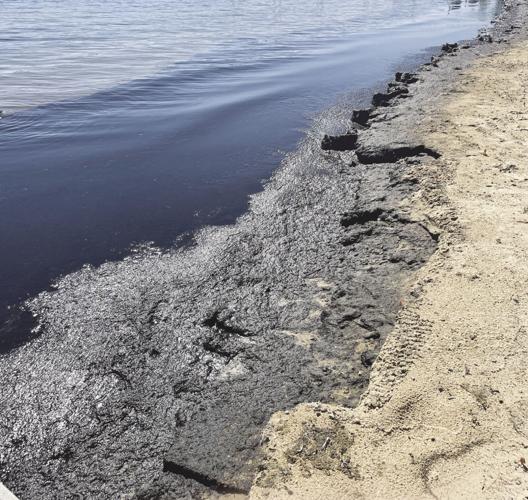
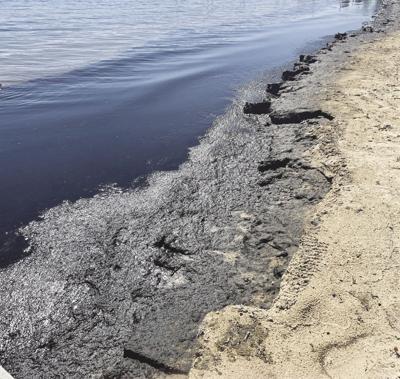
Cyanobacteria, formerly known as blue-green algae, are photosynthetic bacteria that utilize the sun’s energy but also behave as bacteria. Cyanobacteria have been on earth for over 3.5 billion years, and are found everywhere in the environment, including our waterbodies. Some species of cyanobacteria grow in colonies and can form surface water “blooms”. The difference between green algae and cyanobacteria is that green algae generally are not thought to produce toxins. Many varieties of cyanobacteria produce cyanotoxins, and when their cells rupture and die, toxins are released. However, there are thousands of species of cyanobacteria, and each has their own unique growth requirements. Several types of cyanotoxins can affect the liver and nervous system causing acute to chronic health issues. The highest concern of exposure is through ingestion; therefore, children and pets are most at risk. Just last week, three dogs were killed an hour after exposure to toxic cyanobacteria in Texas and North Carolina.
Cyanobacteria blooms have been happening more frequently around the country and locally in New Hampshire. Nutrient loading is a major driver of cyanobacteria bloom formation, so, what can you do to mitigate excess nutrients from reaching the lake? One important action is to refrain from fertilizing your lawn, or if you must fertilize, purchase phosphate-free fertilizer. Most NH soils provide all the phosphorus that an established lawn needs. Too much phosphorus entering our lake promotes the growth of algae and aquatic vegetation, just like it helps the growth of grass and gardens.
It’s also critical to establish native plantings around our properties, especially along the shoreline to help stabilize the soil and reduce erosion. Native plantings with their deep root systems help slow down and infiltrate polluted stormwater runoff before it has the chance to enter the lake. An added benefit to having a large vegetated buffer along the shoreline is that it’s a deterrent to geese. Turf grass and an open shoreline are a welcome mat for geese, who prefer easy access to the lake and a clear view of potential predators. The bigger the buffer, the better – so, time to put that green thumb to work.
The Lake Winnipesaukee Association has expanded our water quality monitoring program to include sampling for cyanobacteria on Paugus Bay, Laconia’s drinking water source. In partnership with the Laconia Water Department and Laconia Conservation Commission, LWA staff collect water samples every two weeks to analyze for the presence of cyanobacteria. In addition to increased monitoring, we have created a guidance document to help people identify potential cyanobacteria blooms and information on what to do if you suspect a bloom. We’ve also created the Winni Bloom Watch map and weekly report card, which tracks advisories and sightings of blooms on waterbodies in the Lake Winnipesaukee watershed. This resource can be found by visiting winnipesaukee.org/how-we-protect-winnipesaukee/monitoring.
If you suspect a bloom on Lake Winnipesaukee take a photo and document your location, date, and time. Please send this information to New Hampshire Department of Environmental Services and LWA. Please do not wade, swim or drink the water, keep pets and children out, and wash your hands if you have had contact with the suspected bloom.
Contact NH Department of Environmental Services
Call or text the Cyanobacteria Hotline: 603-848-8094
Email: HAB@des.nh.gov
Contact Lake Winnipesaukee Association
Call or text: 603-581-6632
Email: brossiter@winnipesaukee.org
Let’s spend National Water Quality month enjoying Lake Winnipesaukee’s beautiful water quality, but not take it for granted. Together, we can help ensure that Winnipesaukee’s waters stay healthy for those families, like mine and yours, that love the lake.
•••
Jacquelyn Bellefontaine is the conservation outreach manager for the Lake Winnipesaukee Association. She manages communications and outreach initiatives. Jackie can be reached at jbellefontaine@winnipesaukee.org.
The Lake Winnipesaukee Association is a nonprofit dedicated to protecting the water quality and natural resources of the lake and its watershed. To learn more, visit winnipesaukee.org.


(0) comments
Welcome to the discussion.
Log In
Keep it Clean. Please avoid obscene, vulgar, lewd, racist or sexually-oriented language.
PLEASE TURN OFF YOUR CAPS LOCK.
Don't Threaten. Threats of harming another person will not be tolerated.
Be Truthful. Don't knowingly lie about anyone or anything.
Be Nice. No racism, sexism or any sort of -ism that is degrading to another person.
Be Proactive. Use the 'Report' link on each comment to let us know of abusive posts.
Share with Us. We'd love to hear eyewitness accounts, the history behind an article.