





(Photo by Min An via Pexels
By Sapphire Hope
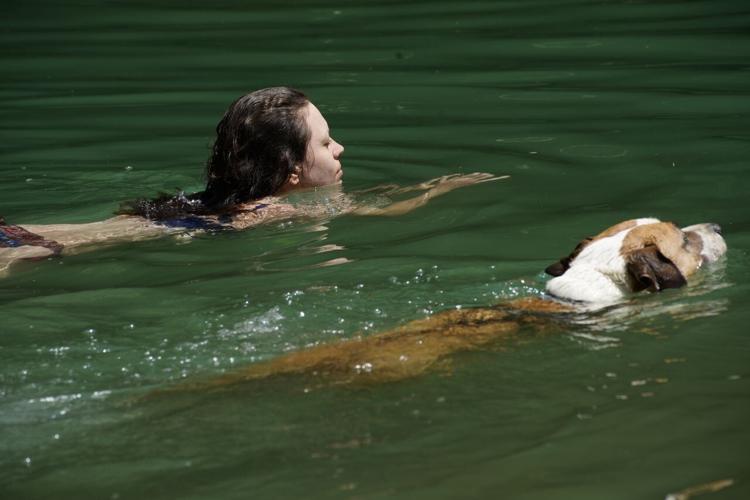
As the UK is firmly in its second heatwave of the year and temperatures could hit 104F, many Brits will be keen to plunge into ice-cold water to cool down.
However, while the air temperature is very warm, water temperatures are still cold — and cold water shock remains a real health risk.
There were 193 confirmed accidental water fatalities in the UK in 2024 and a further 206 cases where the cause is still undetermined, according to the National Water Safety Forum.
Rather than an inability to swim, cold water shock is the primary reason for accidental drowning in UK open water, triggered by sudden immersion in water below 59F — and, many UK inland waters remain below that temperature even during summer months.
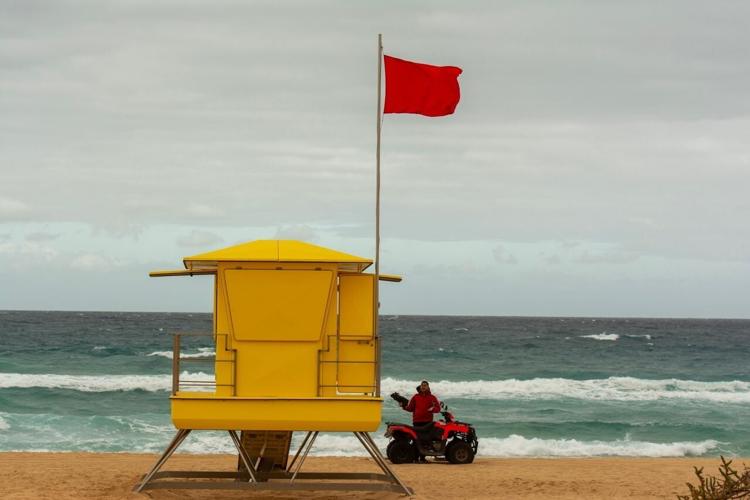
With the current heatwave, more Brits are likely to be heading to water to cool off — and this brings a sharp increase in risk of drowning incidents.
Steve Instance, water lead at the Royal National Lifeboat Institution (RNLI), advises swimmers to refrain from suddenly immersing themselves in cold water and opt for a “walk in slowly” approach if they are concerned about cold water shock.

Photo by Giuseppe Di Maria via Pexels
He says: “The weather may be very hot — and we're into quite extreme summer temperatures — but water temperature hasn't had the chance to get to that summer heat yet.
“We're only a little bit above winter temperatures for the water, so even though it feels very warm in the air, the water still has that risk of bringing on cold water shock particularly if you immerse yourself in the water suddenly.”
Instance adds that fresh water — in lakes, rivers or quarries — is typically 1 or 2 degrees colder than sea water and is less buoyant, meaning the “threat of cold water shock is particularly prevalent” in those instances.
“The cold water shock actually comes on very quick, that comes on within the first few seconds of being immersed in cold water,” he says.
Instance explains: “The main symptom is that natural reaction to gasp and that sudden need to try to inhale — and if your airway is not clear of the water and you're beneath the water, that sudden reflex to inhale quickly can lead to you inhaling water.”
He says it can also cause muscles to contract and tighten which can lead to fatigue but it does tend to pass after around 90 seconds.
Instance adds: “The effects of cold water shock will pass.

Photo by Phạm Chung via Pexels


“So the important thing is to try to fight that panic instinct.
“Try not to panic, try to lean back and keep your airway clear of the water.
“The best way of doing that is to lean right back with your ears in the water, which helps keep your mouth and nose clear, and your lungs will act as your buoyancy.
“After about 60 seconds or so, you can then work out what you're going to do next. Are you going to swim to a safe place? Are you going to call for help? But in order to avoid the cold water shock, acclimate to the water slowly. Don't jump into deep water.”
Instead, approaching the water slowly means “you can stop at various steps, you can splash yourself, you can put your hands and arms in the water, which really help you get used to the temperature before getting in.”
Instance says there are no set rules for how long to stay in the water. “The simple truth is that if you feel cold, you should consider getting out of the water,” he says.
It’s the same if you are considering wearing a wetsuit.
He says: “There are lots of benefits of wearing a wetsuit.

Photo by Jan van der Wolf via Pexels
“A good, well-fitted wetsuit will help keep you warm, but it'll also provide that little bit of extra buoyancy as well.
“Not enough to rely upon, it's not a buoyancy aid or a life jacket, but provides that little bit of extra buoyancy, that bit of extra confidence.”
Instance also encourages swimmers to swim in a supervised area and not to swim alone.
“The very best time of day and the very best place [to swim] is between the hours of 10 and six on a lifeguarded beach, when the lifeguards are on duty,” he adds.
If you find yourself in trouble in the water, the RNLI’s safety advice is Float to Live:
- Tilt your head back with your ears submerged
- Relax and try to breathe normally
- Move your hands and legs to help you stay afloat
- It’s OK if your legs sink, we all float differently
- Once your breathing is under control, call for help or swim to safety.
If you see someone else in trouble at the coast, remember Phone, Float, Throw:
- Phone 999 (911 – US) or 112 (311 – US) and ask for the Coastguard to get help.
- Tell the struggling person to Float to Live.
- Throw them something that floats, such as a life ring.




(0) comments
Welcome to the discussion.
Log In
Keep it Clean. Please avoid obscene, vulgar, lewd, racist or sexually-oriented language.
PLEASE TURN OFF YOUR CAPS LOCK.
Don't Threaten. Threats of harming another person will not be tolerated.
Be Truthful. Don't knowingly lie about anyone or anything.
Be Nice. No racism, sexism or any sort of -ism that is degrading to another person.
Be Proactive. Use the 'Report' link on each comment to let us know of abusive posts.
Share with Us. We'd love to hear eyewitness accounts, the history behind an article.