



Photo by Huy Phan via Pexels
By Lauren Wilkin
An expert has revealed the five plants that can help keep a house dry and mold-free this winter.
David Denyer, florist and gardening expert, says that houseplants offer natural humidity relief during the colder months.
"Many believe plants simply "drink" moisture from the air, but the process is a bit more complex," David, who has over 35 years' experience in gardening, says.
"Houseplants can absorb tiny airborne water vapor particles through their leaves in a process known as 'foliar uptake'.
"And certain plants, especially those native to tropical, humid climates, will be best adapted to this and actually prefer being in a moist room as opposed to a drier home," he explains.
David has shared the top five plants for absorbing moisture and humidity:
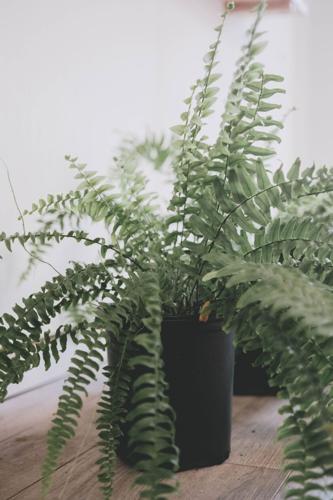
1. Boston Ferns

Photo by Joshua Mcknight via Pexels
David describes the Boston Fern as the "champion of dehumidifying plants."
"Featuring dense, feathery leaves that provide a massive surface area, these plants are incredibly efficient when it comes to naturally dehumidifying and balancing the moisture in your home," he explains.
"These ferns thrive in moist climates and will happily soak up any excess humidity in your home making them one of the best plants for bathrooms and any humid laundry rooms.
"Place them in a hanging basket or on a shelf where it can benefit from any steam from your shower or washing machine."
Boston Ferns can be a little fussy to look after, and David says they prefer to stay consistently moist.
"If you notice the tips turning yellow at all it's a sign they may need more misting."
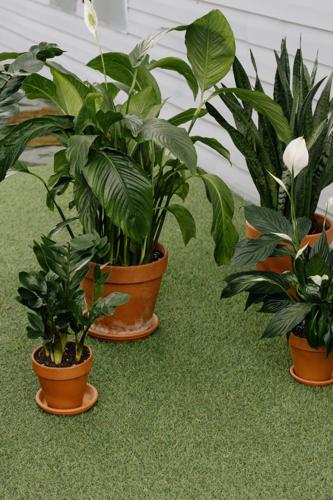
2. Peace Lilies

Photo by cottonbro studio via Pexels
According to David, the Peace Lily is a "powerhouse purifier."
"Research from NASA has identified them as one of the best air-purifying houseplants due to their ability to remove common household toxins like formaldehyde and benzene.
"But its benefits don't stop there as peace lilies are also perfect for absorbing excess moisture in your home through its leaves," he explains.
"Place it in bedrooms and bathrooms–or anywhere that feels humid and has lower light levels that peace lilies can tolerate."
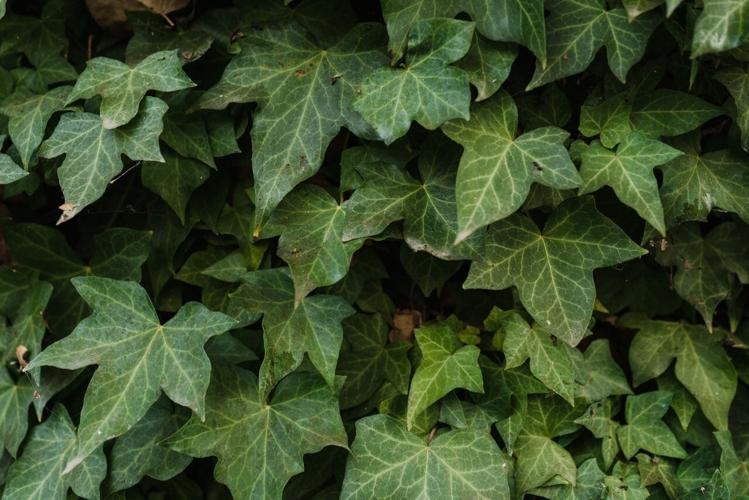
3. English Ivy

Photo by Arina Krasnikova via Pexels
For houses plagued by mold, English Ivy can be a great investment.


"English Ivy can be a great bet for those dark, damp corners where mold seems to love appearing.
"English Ivy is your go-to defender as this hardy, trailing vine has been specifically identified by NASA for its ability to remove airborne mold spores," David explains.
"Place English Ivy anywhere you have poor ventilation or are having recurring mold problems.
"You can place it on a high shelf or in a hanging pot and let it trail down, and you only need to water it sparsely, when the top inch of soil feels dry."
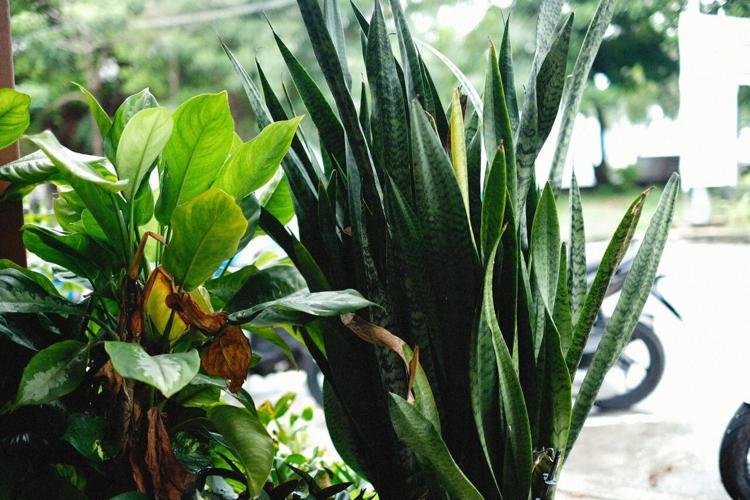
4. Snake Plants

Photo by Alexey Demidov via Pexels
David says: "Snake plants are one of the most resilient and adaptable houseplants you can own, making them particularly great for any beginner plant owners."
And snake plants not only absorb moisture.
"What makes snake plants unique is their very low transpiration rate, meaning that they add almost no moisture back to the air and so are perfect for very damp homes," David explains.
"Snake plants also release oxygen at night, making them a great choice for any bedrooms as it will improve your room's air quality while you sleep."
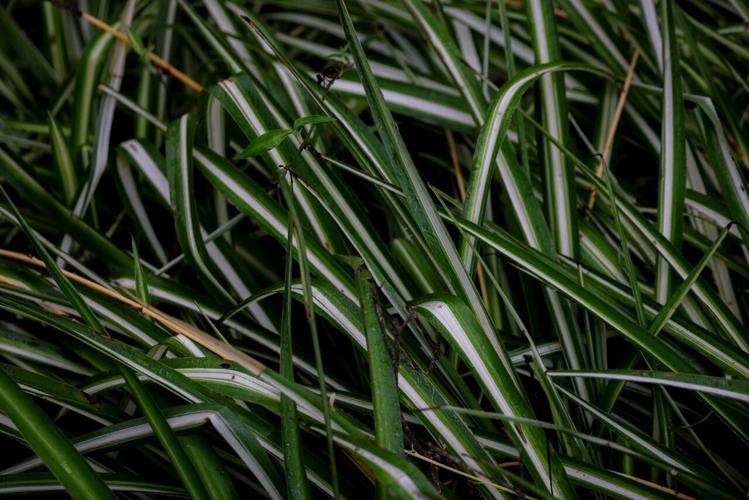
5. Spider Plants

Photo by Magda Ehlers via Pexels
"Spider plants are known for being powerful air purifiers that can also help to absorb moisture from the air," David explains.
The expert says that Spider Plants can tackle both humidity and pollutants.
"They prefer bright, indirect light and will thrive in a humid room–so place in any bright kitchens or bathrooms!"
Where to place your plants

Photo by Mitchell Henderson via Pexels
David says that where you put your plants is almost as important a consideration as what plants you purchase to begin with.
"Naturally, plants that enjoy a humid environment will enjoy the rooms in your home that are more moist.
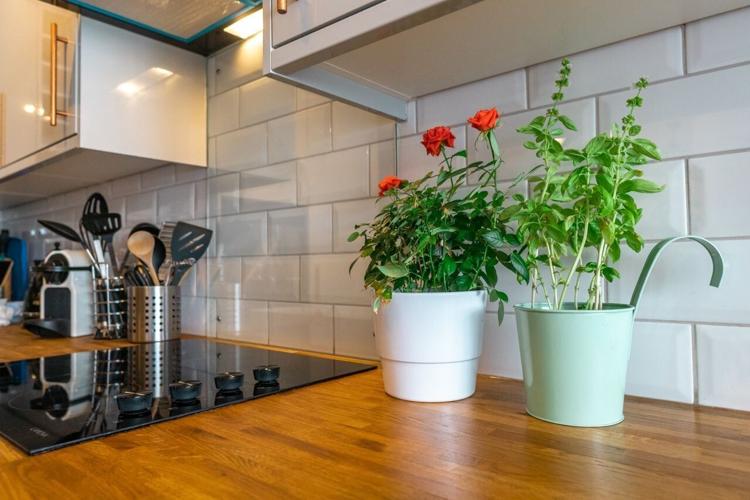
"Meaning they will suit rooms such as kitchens, laundry rooms, and of course bathrooms.
"You may also find that your bedroom becomes humid overnight while you're sleeping, so it can be ideal to pop a dehumidifying plant in any bedroom to combat waking up with extra wet windows from all that condensation."
David, who now works at eflorist - an online florist and plant shop - says that plants should work as part of a 'complete' strategy for managing humidity.
"You should make sure your home has good ventilation, especially in those high-humidity areas, and consider using a dehumidifier for any severe damp issues.
"By combining these methods with a few carefully chosen green companions, you can create a home that is not only beautiful but is benefiting the air you breathe."


(0) comments
Welcome to the discussion.
Log In
Keep it Clean. Please avoid obscene, vulgar, lewd, racist or sexually-oriented language.
PLEASE TURN OFF YOUR CAPS LOCK.
Don't Threaten. Threats of harming another person will not be tolerated.
Be Truthful. Don't knowingly lie about anyone or anything.
Be Nice. No racism, sexism or any sort of -ism that is degrading to another person.
Be Proactive. Use the 'Report' link on each comment to let us know of abusive posts.
Share with Us. We'd love to hear eyewitness accounts, the history behind an article.