


To understand what’s in the smoke you might be breathing, you have to look at where it’s been.
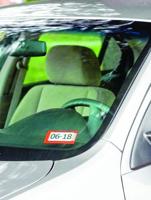
It seems increasingly likely that New Hampshire drivers who have scraped the inspection decal off their car windshields won’t have to replace it.
The U.S. Environmental Protection Agency expressed preliminary support on Thursday for the end of New Hampshire’s vehicle inspection and emissions testing program, which ceased early this year. The agency shared two proposals on Thursday. One would grant New Hampshire’s petition to withdraw from the Ozone Transport Region, a regional air pollution organization; another would remove […]

Death Valley set a record when the temperature reached 134 degrees Fahrenheit. Here’s why deserts can reach such scorching temperatures – and also very cold ones.

Both gasoline and diesel fuel are refined from crude oil, but they are good for different things and can’t be used interchangeably.

When you breathe in wildfire smoke, harmful particles can travel deep into your body.

The US had been reducing surface-level ozone, a harmful pollutant and the main component of smog, but that changed as wildfire activity picked up around 2015.