


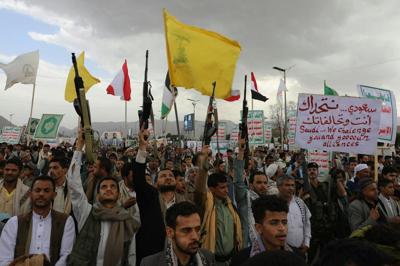
After a nine-month pause, Houthi militants in Yemen allied to Iran resumed attacks on vessels in the Red Sea on July 22, 2026, directly targeting the group’s longtime foe Saudi Arabia. A week later, a floating liquefied natural gas storage facility in Egypt’s Mediterranean port of Damietta was struck by suspected Iranian drones, causing a fire that spread to a nearby tanker.
As a longtime Gulf analyst, I believe these two maritime attacks by Iran and its proxies signal that efforts to bypass the Strait of Hormuz — which Tehran has largely shut down since being attacked by Israel and the U.S. on Feb. 28 — is no panacea for regional peace or stability in global energy markets.
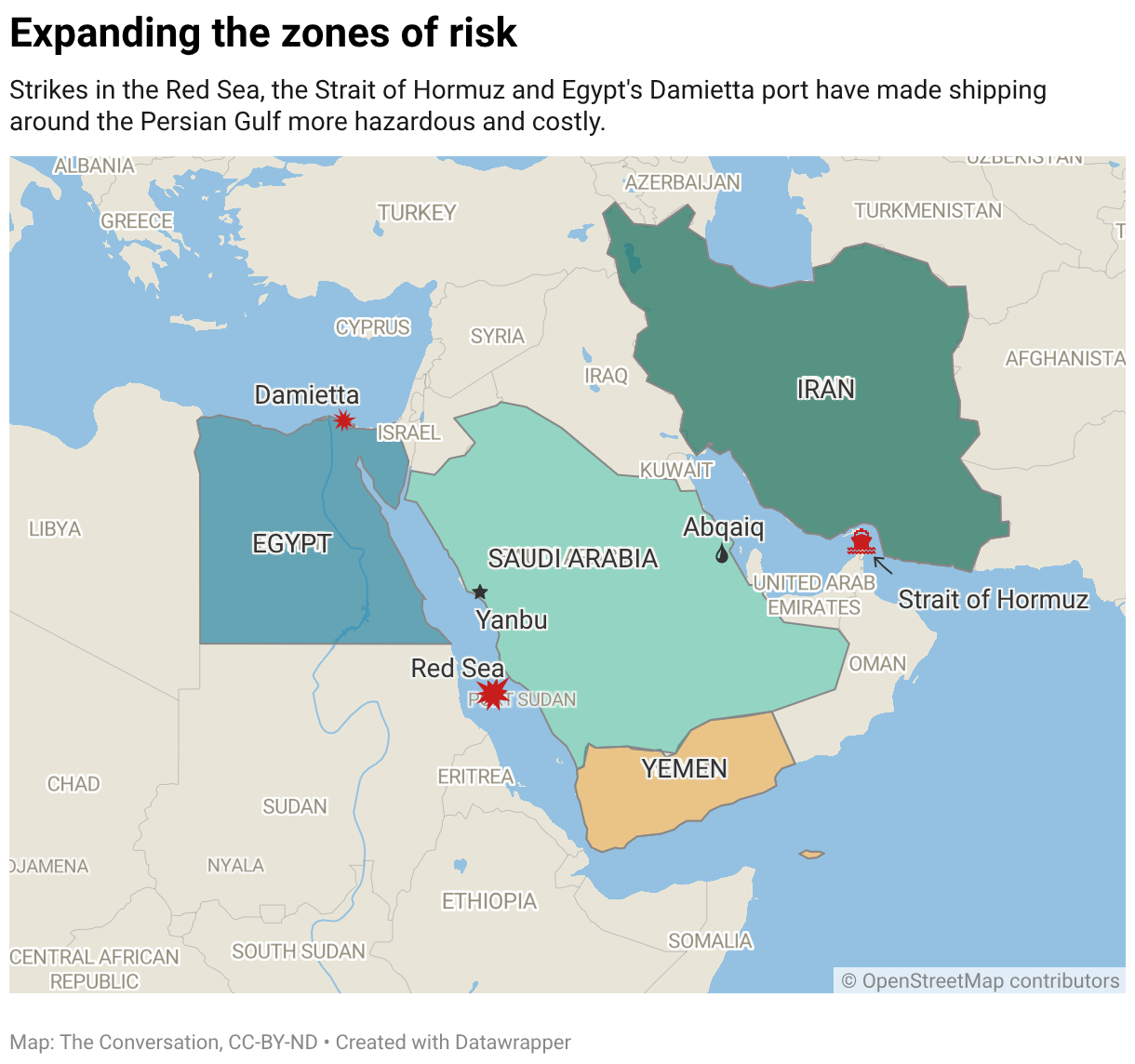
Indeed, the incidents have expanded the zone of risk for shipping to two other maritime choke points: the Bab al-Mandab Strait between Yemen and the Horn of Africa, and the Suez Canal and pipeline links between the Red Sea and the Mediterranean. At the same time, they have put at risk Saudi Arabia’s strategy of redirecting oil exports away from the Strait of Hormuz through its western ports.
No longer quiet on the Houthi front
The Houthis, a rebel group that captured large swaths of northern Yemen during the near-decade-long civil war in the country, have long been an irritant to the strategic plans of Gulf nations and the U.S.
Yet during the first phase of the Iran war from Feb. 28, 2026, to the U.S.-Iran memorandum of understanding on June 17, the Houthi front in Yemen remained relatively quiet.
This was hardly surprising. The Houthis had by then withstood months of U.S. airstrikes in early 2025 that only ended with an Oman-brokered ceasefire agreement. And the group has been hit hard by a series of Israeli strikes, including one in August 2025 that killed its prime minister and nine members of his cabinet. While the strikes hit the technocratic component of the movement rather than its inner core of leaders, they underscored the Houthis’ vulnerability to external threats.
The renewed flare-up began in earnest in early July when a Houthi delegation flew on the Iranian airline Mahan Air from Sanaa to Tehran to attend the funeral of Iran’s former Supreme Leader, Ayatollah Ali Khamenei, who was killed on the opening day of the Iran war. It was the first direct flight from Houthi-controlled Yemen to Iran since 2015, and when the delegation attempted to return on July 12, the Saudi-backed and internationally recognized government in Yemen struck the runway in Sanaa, forcing the flight to divert to the port city of Hodeidah.
Mahan Air is under a U.S. Treasury designation for its links to Iran’s Islamic Revolutionary Guards Corps, and the return flight reportedly carried IRGC personnel along with components for missiles and drones.
Against this backdrop, the Houthi announcement of a naval blockade on Saudi Arabia amounted to the most serious escalation of Saudi-Houthi tensions since a tenuous ceasefire largely ended Yemen’s civil war in 2022.
It also evoked memories of years of missile and drone attacks from Houthi areas on Saudi urban and energy infrastructure during the Yemeni civil war. Those attacks led the Saudi leadership to distance themselves from the American and British airstrikes in Yemen in 2025 and ensured that the long Houthi campaign against shipping in the Bab el-Mandab Strait and Red Sea from 2023 to 2025 avoided hitting Saudi vessels.
The loss of a solid Saudi plan B
This de-escalation of Saudi-Houthi tensions was critical in enabling the Gulf kingdom to quickly pivot its oil exports from its east coast ports to the west coast after the Strait of Hormuz was blocked in March 2026.
Within days of the closure, the East-West pipeline from the Saudi oil processing facility at Abqaiq to Yanbu, on the Red Sea, was operating at its full capacity of 7 million barrels per day.
This workaround allowed the Saudis to export around 3.43 million barrels of oil per day in May – less than half the prewar level, but a far higher figure than neighboring oil producers such as Kuwait, which lacks any alternative to passage through Hormuz.
To be sure, the workarounds put in place during the spring are not perfect – they remain within range of attack from Iran and its proxies. And both Yanbu, on the western coast of Saudi Arabia, and the United Arab Emirates’ own bypass pipeline from Abu Dhabi to Fujairah were targeted by missiles and drones in the first phase of the Iran war.
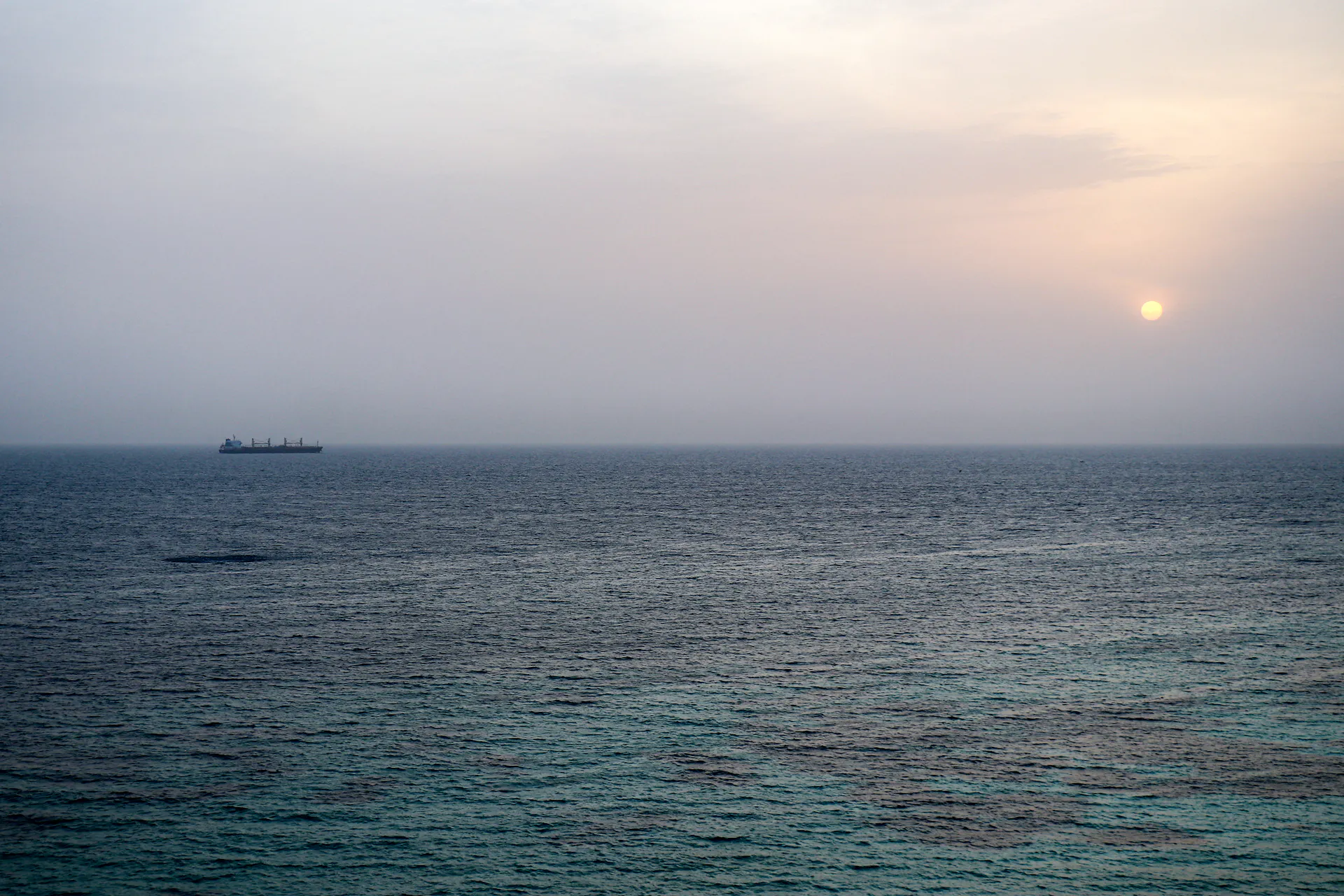
And it is these workarounds that are now at risk. Since July 20, the Houthis have struck at least four oil tankers in the Red Sea. In retaliation, Saudi Arabia has carried out airstrikes against Houthi targets in Yemen for the first time since the 2022 truce.


Vital Saudi oil infrastructure has also come under attack from both the Houthis and from Iranian-aligned groups in Iraq, who may have damaged the crucial processing facility at Abqaiq that acts as the nerve center for Saudi oil.
Quagmires and choke points
With the Saudis having also carried out joint airstrikes with the U.S. in Iraq on July 28, the kingdom now risks getting drawn into a conflict it has sought for years to avoid.
If the Houthi targeting of vessels in the Red Sea leads to similar restrictions on shipping in the Bab al-Mandab Strait as in the Strait of Hormuz, it would render a second regional choke point effectively inoperable.
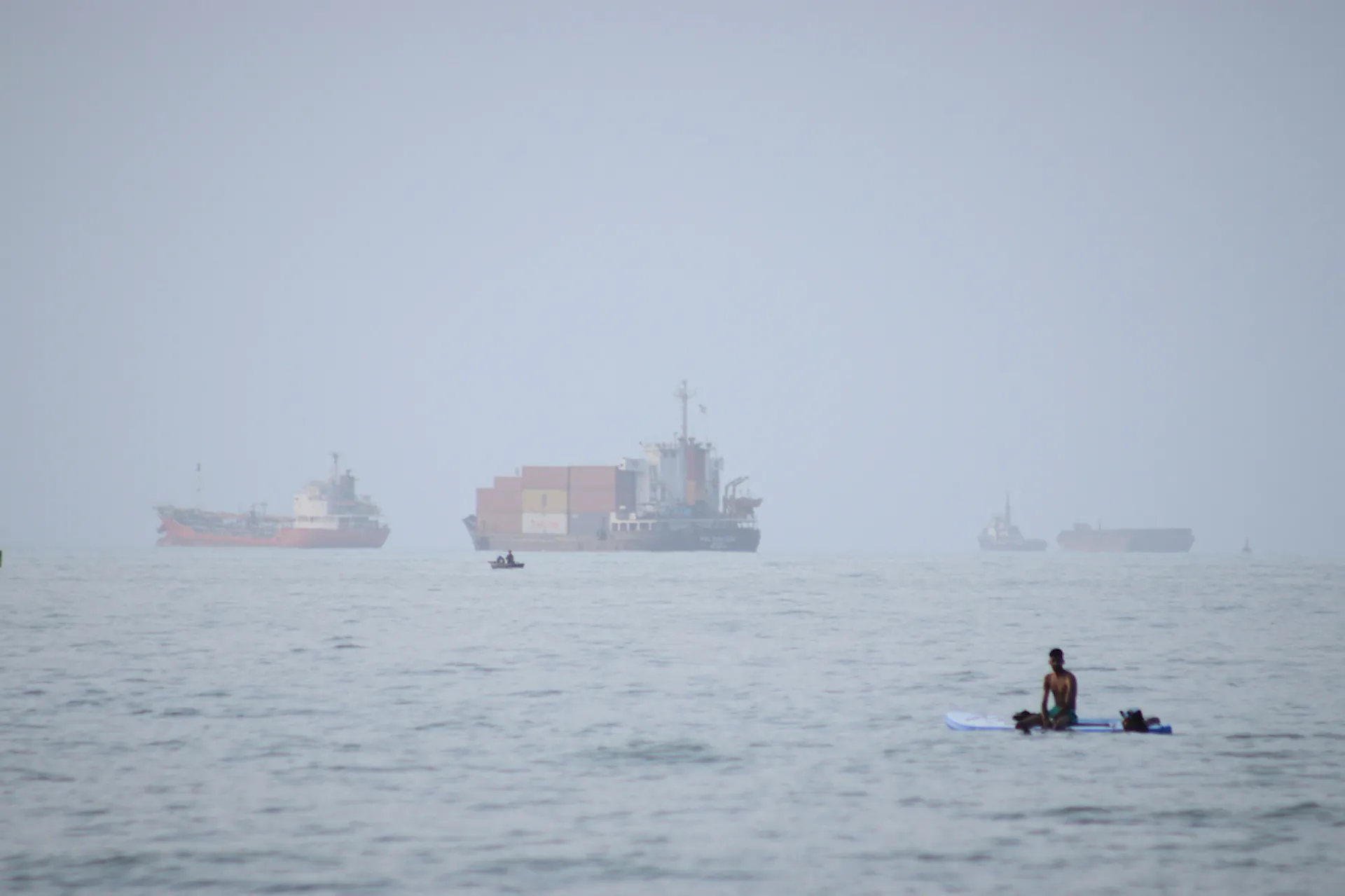
That would necessitate a workaround to the workaround, as tankers divert north through the Suez Canal into the Mediterranean – adding about four weeks to journey times and associated costs to destinations in Asia.
Even this plan B may not be secure – and this is where the significance of the drone attacks on the vessels in Egypt’s Damietta becomes clear.
Although the world’s largest oil tankers cannot transit the Suez Canal, they can utilize the SUMED pipeline to shuttle oil from the Egyptian Red Sea port of Ain Sokhna to the port of Sidi Kerir on the Mediterranean for onward collection.
This would add logistical friction to the process of first unloading and then reloading the oil cargoes. But if shippers and insurers perceive that Egypt’s Mediterranean facilities are not only within Iranian range but also capable of being hit, that raises the prospect of the Red Sea being restricted at both ends. Doing so would render Saudi Arabia’s west coast ports as vulnerable to disruption as its east coast ports in the Gulf.
The costs of an expanding conflict
The first phase of the war in Iran showed how quickly assessments of risk could affect shippers and insurers in the Strait of Hormuz, and the latest attacks could threaten to do the same for the Red Sea routes as well. An expanded conflict zone could wreak havoc on energy and commodity supply chains already stretched thin by the loss of oil production in the spring.
By abandoning the restraint they showed during the spring, the Houthis may be seeking leverage over Saudi Arabia to gain political and economic concessions. But the Saudis too have shown greater assertiveness in their conduct of airstrikes, which could add to regional escalatory dynamics.
The result is a further layer of complexity in what has become a series of overlapping conflicts that have defied resolution and risk inflicting even greater harm on the world economy in the weeks and months ahead.
This article is republished from The Conversation, a nonprofit, independent news organization bringing you facts and trustworthy analysis to help you make sense of our complex world. It was written by: Kristian Coates Ulrichsen, Rice University
Read more:
- Targeting of energy facilities turned Iran war into worst‑case scenario for Gulf states
- After ceasefire, negotiating a lasting deal with Iran would require overcoming regional rivalries and strategic incoherence
- UAE’s OPEC exit has been long in the works – and may mark the beginning of a Gulf realignment
Kristian Coates Ulrichsen does not work for, consult, own shares in or receive funding from any company or organization that would benefit from this article, and has disclosed no relevant affiliations beyond their academic appointment.


(0) comments
Welcome to the discussion.
Log In
Keep it Clean. Please avoid obscene, vulgar, lewd, racist or sexually-oriented language.
PLEASE TURN OFF YOUR CAPS LOCK.
Don't Threaten. Threats of harming another person will not be tolerated.
Be Truthful. Don't knowingly lie about anyone or anything.
Be Nice. No racism, sexism or any sort of -ism that is degrading to another person.
Be Proactive. Use the 'Report' link on each comment to let us know of abusive posts.
Share with Us. We'd love to hear eyewitness accounts, the history behind an article.