


CONCORD — After funding was yanked abruptly last year, Volunteer New Hampshire has received grants of $3.2 million from AmeriCorps to fund programs statewide.
Grants will allow Volunteer NH to operate AmeriCorps programs to meet local needs for communities across New Hampshire.
Funds will make it possible for over 120 AmeriCorps members to serve with local organizations, including Lakes Region Conservation Corps.
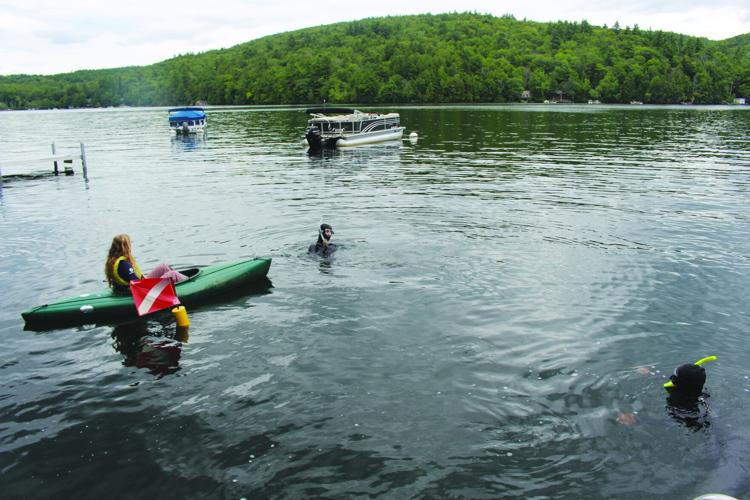
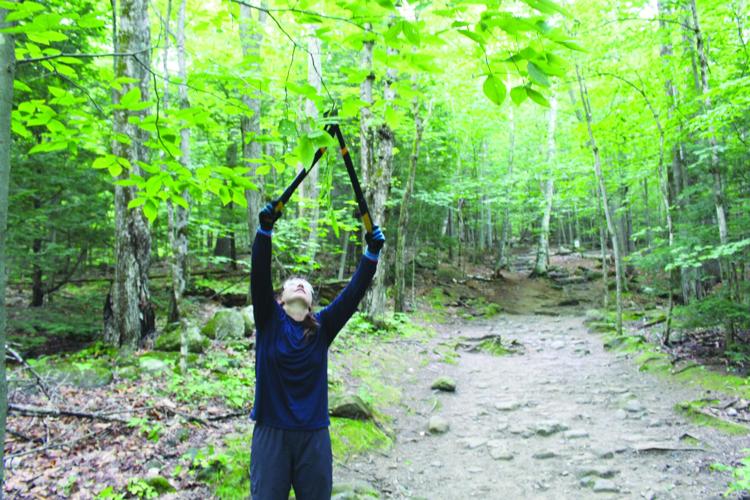
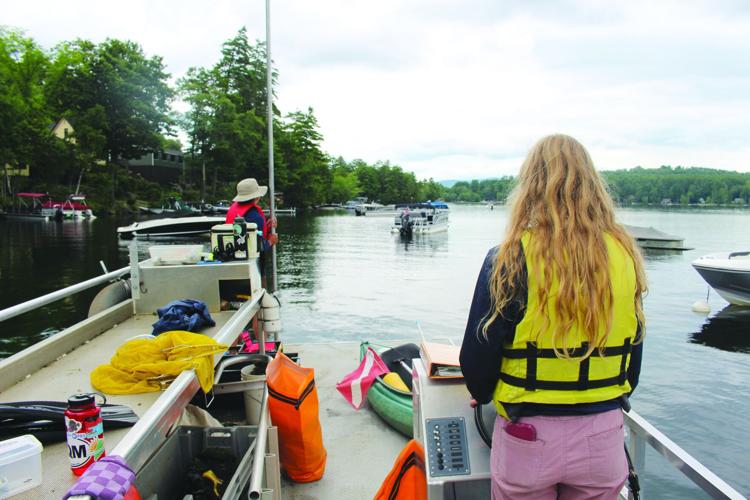
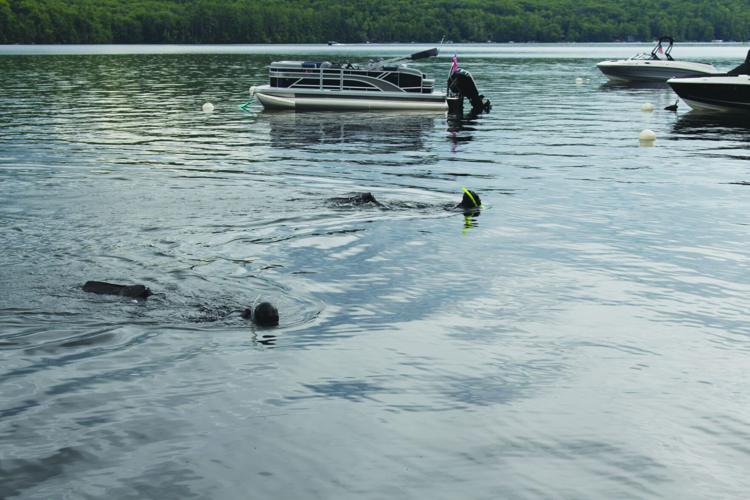
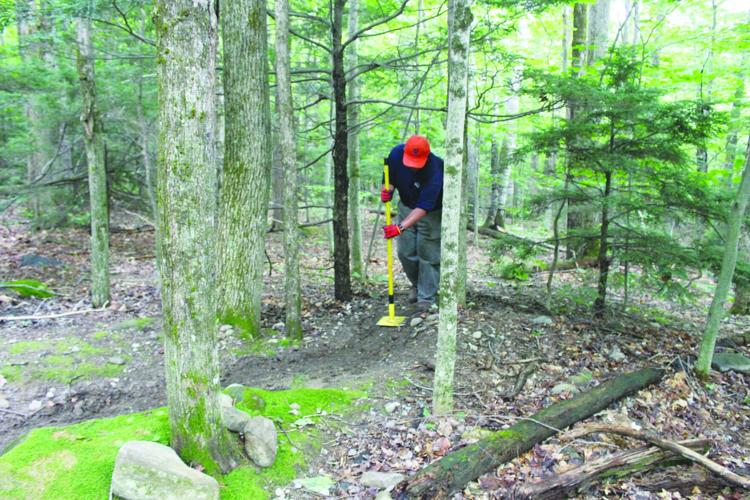
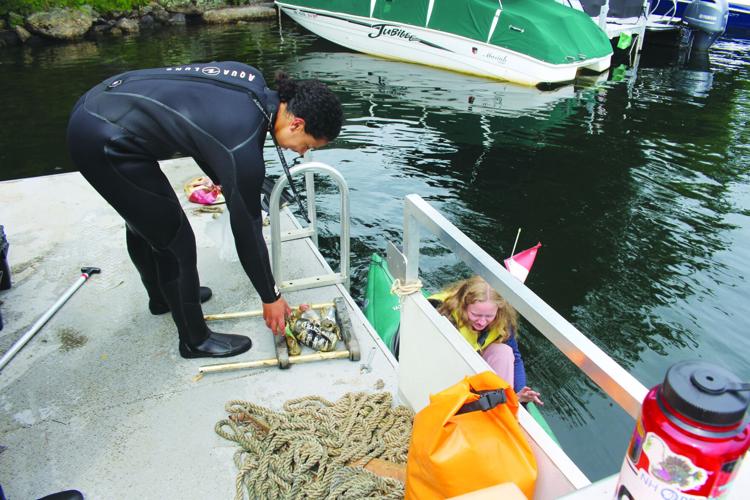
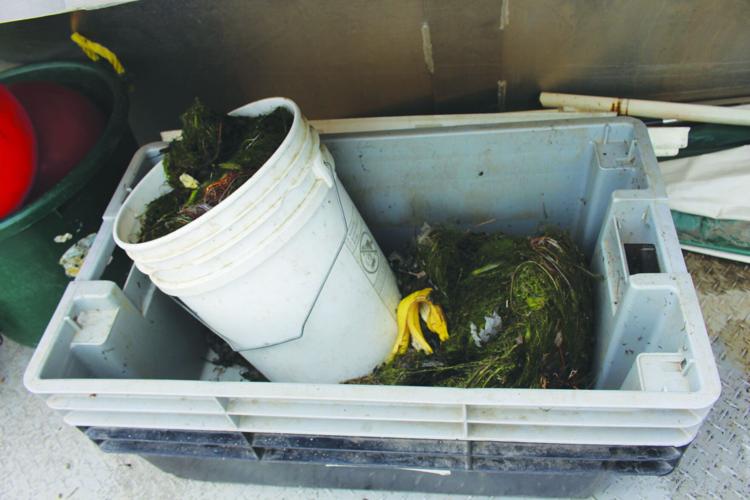
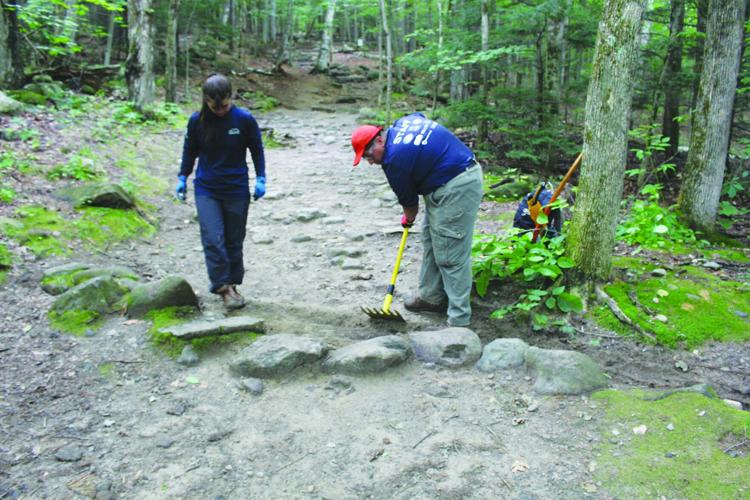
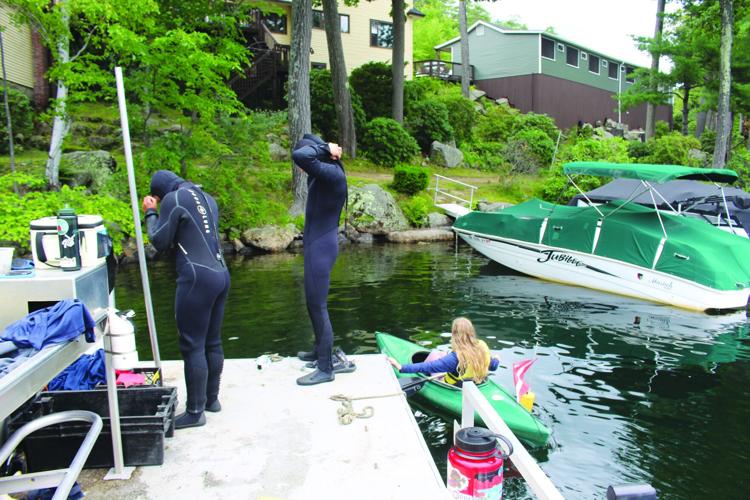
Lakes Region Conversation Corps members, working with the Squam Lakes Association in Holderness, focus on watershed and aquatic conservation. Activities include surveys for invasive milfoil and lake cleanup, along with trail maintenance and preventing erosion.
AmeriCorps is a federal agency which organizes programs in volunteerism and national service. Funding for Volunteer NH comes from both program and planning grants.
“The funding that we receive from AmeriCorps, the federal agency, we subgrant out to organizations that have applied to Volunteer New Hampshire. And this is to specifically operate an AmeriCorps program in New Hampshire. So, the funding is granted to those programs for their program grants,” said Andrea Johnston, senior program officer for Volunteer NH. “And then we also give out planning grants, which we are giving out this year to one organization that’s going to operate a future AmeriCorps program.”
The planning grant will go to Archways, with a focus on housing resource support. The grant prepares the organization to operate a future AmeriCorps program. Archways is a community resource for those who need family or peer recovery support, with locations in Franklin, Plymouth and Tilton locally, as well as Concord.
Organizations which receive program grants are then in charge of recruiting, training, and placing AmeriCorps members with local partners, called “host sites.”
“Volunteer New Hampshire's role is basically oversight in those grants, and monitoring fiscally and programmatically. And then those programs are essentially responsible for solving the community problems with what they've written in their application,” Johnston said.
In order to pinpoint what local issues communities are facing, Volunteer NH, also known as the State Service Commission, creates a state service plan every three years.
“We conduct outreach and surveys to the public, to other nonprofits, to businesses. We do this through community surveys and also roundtable meetings,” Johnston said. “We just ask folks what are the most pressing issues in the state, and then challenges that they feel are happening. And so, out of that, we narrow that down to the top three priority areas in the state.”
Johnston said for the 2026-28 service years, they found affordable housing and homelessness are top concerns. Other priorities are job skills training and access to mental health resources.
“Then we go ahead and try to direct our national service resources to help tackle all of those issues, whether it be through giving out grants through mini grants to organizations to just help with small costs or one-time needs that they have, or whether or not they want to apply for a larger grant to operate an AmeriCorps program to help tackle those different needs,” Johnston said. “So, that’s how, at least statewide, we determine those needs.”
Johnston said AmeriCorps has national priorities, which Volunteer NH supports, as well. AmeriCorps funding priorities for 2026 are behavioral health, veterans, and underserved communities. The agency is focusing on supporting vulnerable populations, enhancing outdoor public lands, and expanding mental health services for youth.
For 2026, AmeriCorps prioritized grants for faith-based programs serving communities, focusing on, for example, substance recovery services or expanding outdoor recreation. Programs should benefit AmeriCorps members, using evidence to measure the strength of assessed programs.
“The biggest thing is how AmeriCorps programs do affect communities, helping to solve local challenges, and then also with the opportunities that it offers for the members that apply to serve. The skills that those members gain, and what they learn about the communities and the environments that they serve, really does help them to prepare for their next stages in life, and who they want to be,” Johnston said. “I think overall, we've just found that service and volunteerism brings people of all backgrounds together, and helps to unite them, especially in times of need.”


(0) comments
Welcome to the discussion.
Log In
Keep it Clean. Please avoid obscene, vulgar, lewd, racist or sexually-oriented language.
PLEASE TURN OFF YOUR CAPS LOCK.
Don't Threaten. Threats of harming another person will not be tolerated.
Be Truthful. Don't knowingly lie about anyone or anything.
Be Nice. No racism, sexism or any sort of -ism that is degrading to another person.
Be Proactive. Use the 'Report' link on each comment to let us know of abusive posts.
Share with Us. We'd love to hear eyewitness accounts, the history behind an article.