



By Ed Chatterton and Logan MacLeod
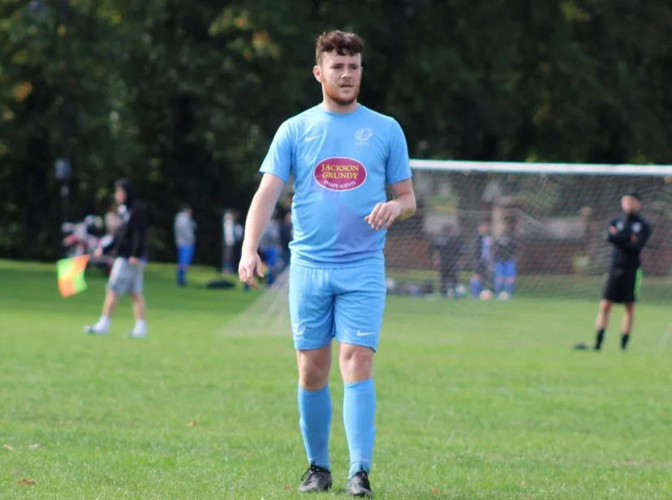
A superfit amateur footballer died from a flesh-eating virus after doctors dismissed his symptoms as tonsillitis and sciatica, an inquest heard.
Luke Abrahams, 20, passed away from sepsis and necrotizing fasciitis at Northampton General Hospital on January 23, 2023.
An inquest heard he had been complaining of a sore throat in the days before and saw his GP who prescribed antibiotics for tonsillitis.
His condition deteriorated and he became immobile with severe leg pain - but then an out-of-hours doctor misdiagnosed him with sciatica on January 20.
Just 12 hours later, his family dialled 999 as Luke was in severe pain - but ambulance crews decided he did not need to go to hospital despite numerous "red flags."
Two days later, the railway engineer was rushed to hospital, saying he "could not take the pain any longer" - and died the following day.

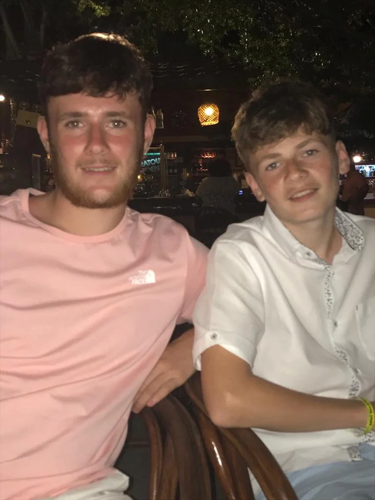
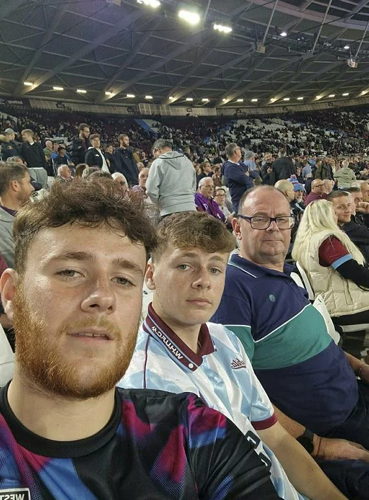
Luke Abrahams and his family. (SWNS)
A post mortem examination revealed he had been suffering from septicaemia, Lemierre syndrome – a form of bacterial infection, and necrotizing fasciitis – a flesh-eating disease.
His death was initially recorded as natural causes and no inquest was opened.
His parents Richard Abrahams and Julie Needham have been fighting for a formal investigation to be opened and believe a "catalogue of errors" contributed to his death.
The couple, from Northampton, say medics missed a string of opportunities to potentially save their son as in the week he deteriorated, he had contact with multiple GPs, A&E, 111, and paramedics.
On the first day of his inquest on Tuesday an ambulance boss admitted Luke should have been taken to hospital days before his death at the point he was wrongly treated for sciatica.
Giving evidence, Susan Jevons, Head of Patient Safety at East Midlands Ambulance Service (EMAS), said: “Luke should have been transferred to hospital on the 20th and he should not have been discharged at home."
The inquest heard that Luke had been unwell all week with tonsillitis and was largely immobile in bed with severe lower-leg pain.
When his condition failed to improve despite being on antibiotics, Luke and his mum contacted NHS 111 again.
EMAS paramedics arrived at 4pm that afternoon and found Luke in severe pain and unable to mobilize.
Jevons said the crew focused on sciatica and failed to properly consider infection, despite multiple “red flags,” including a high temperature and blood sugar levels.

Luke Abrahams' parents are accusing the hospital of missing opportunities to save their son. (SWNS)
These also included a pain score of nine out of 10, raised heart rate, dark-colored urine and significantly high blood sugar levels.
Luke was not diabetic but recorded a blood sugar reading of 16, with 17 being the threshold for automatic referral to A&E, the inquest heard.


Jevons added: “The blood sugar stood out the most for me.
“There was no reason his blood sugar levels should have been that high.”
Jevons said a low warning score should not be used alone to judge how ill a patient is.
She said: “You should look at your patient – what is your patient telling you?"
The court heard a pain score of nine places a patient in the “red” category, meaning they should be taken to hospital.
However, Luke was recorded as “amber” and the score was not challenged.
Jevons said: “There wasn’t enough evidence to say he just had sciatica."
She said the case led to additional training, including refresher training on sepsis, Lemierre’s syndrome and necrotising fasciitis.
Giving evidence, the out-of-hours doctor who wrongly diagnosed sciatica following a video consultation said he did not notice any "red flag" symptoms.

(SWNS)
Dr. Olalowo Olaitan, who appeared via Zoom from Canada, was working as an out-of-hours GP for DHU Healthcare on behalf of NHS 111 at the time.
He said a video assessment was carried out as Luke was in too much pain to attend the hospital in person and was struggling to get down the stairs at home.
He said the video call was used to assess Luke’s level of consciousness, communication and to look for red flag symptoms such as rashes or skin changes.
He said there were no visible signs of redness, rash or discoloration to suggest a serious infection like necrotizing fasciitis, which Luke later died from.
He said: “There was just pain in the back, buttock and leg."
Dr. Olaitan said he offered stronger pain relief and prescribed naproxen, believing Luke was suffering from sciatica.
Asked why the throat infection was not explored further, he replied: “Based on the fact Luke said it was getting better and he was on antibiotics, I didn’t explore that further.”
He told the inquest his working diagnosis was sciatica alongside a throat infection and said he did not consider a connection between the two at the time.
Dr. Olaitan also told the court he was unaware Luke had contacted NHS 111 several times in the days before or he had attended hospital earlier that week.
He added: “Ideally, I always want to see my patients face to face."
The inquest, being heard by assistant coroner Sophie Lomas at The Guildhall in Northampton, is expected to last three days.


(0) comments
Welcome to the discussion.
Log In
Keep it Clean. Please avoid obscene, vulgar, lewd, racist or sexually-oriented language.
PLEASE TURN OFF YOUR CAPS LOCK.
Don't Threaten. Threats of harming another person will not be tolerated.
Be Truthful. Don't knowingly lie about anyone or anything.
Be Nice. No racism, sexism or any sort of -ism that is degrading to another person.
Be Proactive. Use the 'Report' link on each comment to let us know of abusive posts.
Share with Us. We'd love to hear eyewitness accounts, the history behind an article.