


“I had a farm in Africa, at the foot of the Ngong Hills.”
This is the first line in Isak Dinesen’s book "Out of Africa," first published in 1937. Karen Christentze Dinesen, or Baroness Blixen-Finecke, wrote under the name Isak Dinesen. She lived in Kenya from 1919 to 1931 before returning to her home in Denmark. While her most well-known book is "Out of Africa," her other works include "Winter’s Tales" (1942), "Last Tales" (1957), "Anecdotes of Destiny" (1958) and "Ehrengard" (1963). She was a storyteller.
I loved reading "Out of Africa" and knew I wanted to explore Africa. I traveled to Morocco in 1982, spending almost a month driving down along the coast and then back up through the Atlas Mountains to Marrakesh. The following year, I had an opportunity to travel through Kenya and visit the places Dinensen had written about. I have also spent time in Ethiopia, Zambia, Tanzania, and Botswana.
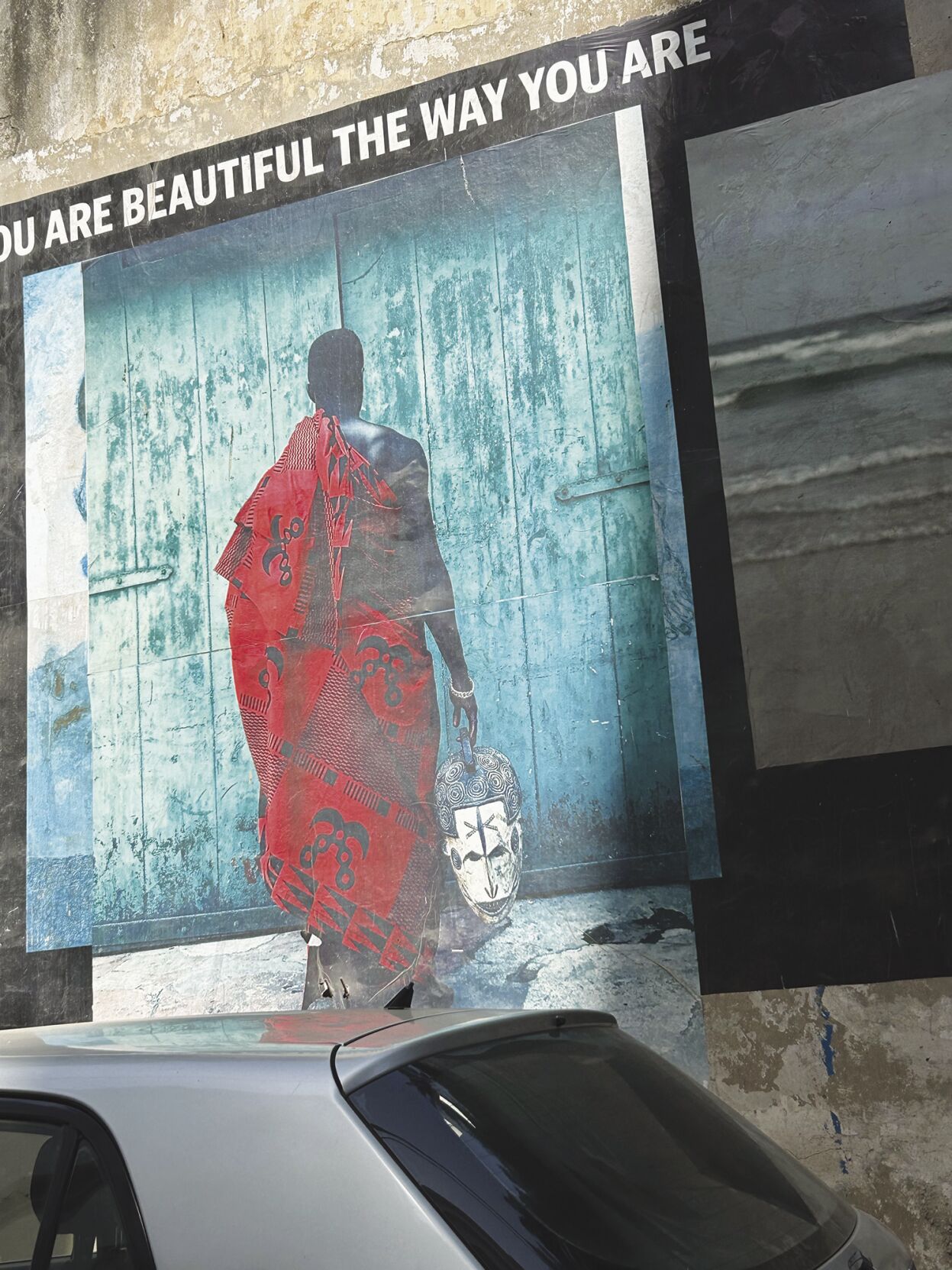
This year I am visiting Dakar, Senegal, exploring the dynamic city before traveling north to spend a few days on a farm where alfalfa is being grown, in a project that has been created out of the global necessity for food and protein security. The alfalfa will be used for cattle feed.
Last Sunday I spent the day on Goree Island. Just a short boat ride from Dakar, Goree was one of the largest slave trading centers on the African coast. From the 15th to the 19th centuries it was ruled, in succession, by the Portuguese, Dutch, English and the French. Now a UNESCO historic site, one can visit the grim slave quarters and then the elegant homes of the slave traders. Visiting Goree Island one must stop and ponder man’s inhumanity to man. To think about human exploitation and what must be done to reconcile us with our past.
Goree Island is considered a “sanctuary of reconciliation” and American presidents George W. Bush, Bill Clinton, and Barack Obama have visited. Pope Francis, Nelson Mandela and other leaders have also made the trip to the island.
On Thanksgiving Day, I was at the farm. It is a very different Thanksgiving, and yet it has made me reflect about the true meaning of Thanksgiving, first celebrated in October 1621. According to what we read, the feast lasted for three days and included the Pilgrims, who were celebrating their first harvest, and the Native Americans who were living here. An opportunity for people to come together and share their customs and culture. It has occurred to me that my Thanksgiving this year will also be a day of sharing my customs with new friends. Giving thanks for all we have been given and to think about how to care for the earth and provide food for everyone.
•••
Elizabeth Howard is the host and producer of the Short Fuse Podcast (found on Apple or Spotify), follow her on Instagram @elizh24 or send her a note at eh@elizabethhoward.com. She is an author and journalist. Her books include "Ned O’Gorman: A Glance Back," a book she edited (Easton Studio Press, 2015), "A Day with Bonefish Joe" (David R. Godine, 2015), "Queen Anne’s Lace and Wild Blackberry Pie" (Thornwillow Press, 2011).


(0) comments
Welcome to the discussion.
Log In
Keep it Clean. Please avoid obscene, vulgar, lewd, racist or sexually-oriented language.
PLEASE TURN OFF YOUR CAPS LOCK.
Don't Threaten. Threats of harming another person will not be tolerated.
Be Truthful. Don't knowingly lie about anyone or anything.
Be Nice. No racism, sexism or any sort of -ism that is degrading to another person.
Be Proactive. Use the 'Report' link on each comment to let us know of abusive posts.
Share with Us. We'd love to hear eyewitness accounts, the history behind an article.