



ProPublica and The New Yorker recently published a lengthy feature story that paints a negative picture of hospice in the United States. The article "How Hospice Became a For-Profit Hustle" cites several cases in which unscrupulous for-profit hospice providers abused the Medicare hospice benefit to turn profits at the expense of patient care — and patient lives.
The deceptive practices and tragic outcomes described in the story stand in stark contrast to the highly skilled, compassionate care that is given each day to thousands of patients in hospice by upstanding hospice providers throughout our nation.
The Hospice Foundation of America defines hospice as medical care for people with an anticipated life expectancy of six months or less, when cure isn’t an option, and the focus shifts to symptom management and quality of life. This care is most often provided by an interdisciplinary team of professionals trained to address physical, psychosocial, and spiritual needs of the person; the team also supports family members and other intimate unpaid caregivers. Hospice is a Medicare benefit and is covered by most private health insurance at varying levels and by Medicaid in almost every state.
Granite VNA is the largest nonprofit provider of home health and hospice care services in New Hampshire. Our agency has provided hospice services to Granite State residents since 1981. Prior to opening the state’s first Hospice House in 1994, hospice care was provided in patients’ homes, and in hospitals or nursing homes — services which continue today. Over the past five years alone, our agency has provided compassionate hospice care, guidance, and support to nearly 5,000 hospice patients and their loved ones during what can be an extremely difficult and emotionally exhausting time.
Ours is a community-based organization, therefore our patients are also our loved ones, friends, neighbors and colleagues. We take seriously our mission to enhance dignity and independence for people by delivering quality health care and promoting wellness in homes and communities through all stages of life — from birth to death. At Granite VNA, we do this regardless of patients’ ability to pay for services.
It is no secret that New Hampshire’s population is aging rapidly and so, too, is the state’s death rate increasing. A May 2021 study by the Carsey Institute at the University of New Hampshire revealed that, in 2019 and 2020, the number of deaths in our state, Maine and Vermont outpaced the number of births. As an agency that provides home health and hospice care, we, and our fellow agencies around the state, must be prepared for the increasing demand for our services, but we also must do our best to educate and inform the public and dismantle their fears and worries about dying.
Helping people experience their end-of-life journey and eventual death with dignity, surrounded by love, is a privilege we cherish. It is unfortunate when those with ill intentions cast doubt on an entire community, in this case the dedicated professionals of organizations such as Granite VNA and our colleagues in New Hampshire who provide solace and comfort to patients and support their families through the end-of-life journey.
We encourage the public to learn about hospice services through organizations such as the National Association for Homecare at nahc.org and the National Hospice and Palliative Care Organizations at nhpco.org and the Home Care, Hospice & Palliative Care Alliance of New Hampshire at homecarenh.org.
•••
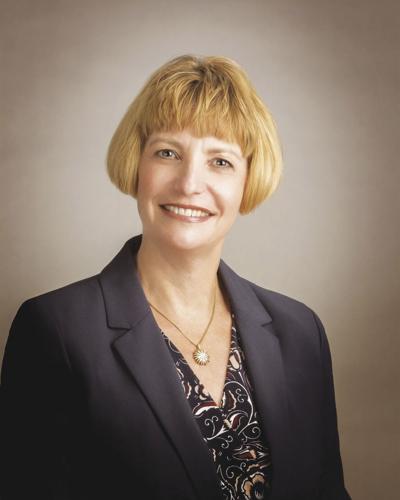
Beth J. Slepian is president and chief executive officer of Granite VNA.





(0) comments
Welcome to the discussion.
Log In
Keep it Clean. Please avoid obscene, vulgar, lewd, racist or sexually-oriented language.
PLEASE TURN OFF YOUR CAPS LOCK.
Don't Threaten. Threats of harming another person will not be tolerated.
Be Truthful. Don't knowingly lie about anyone or anything.
Be Nice. No racism, sexism or any sort of -ism that is degrading to another person.
Be Proactive. Use the 'Report' link on each comment to let us know of abusive posts.
Share with Us. We'd love to hear eyewitness accounts, the history behind an article.