



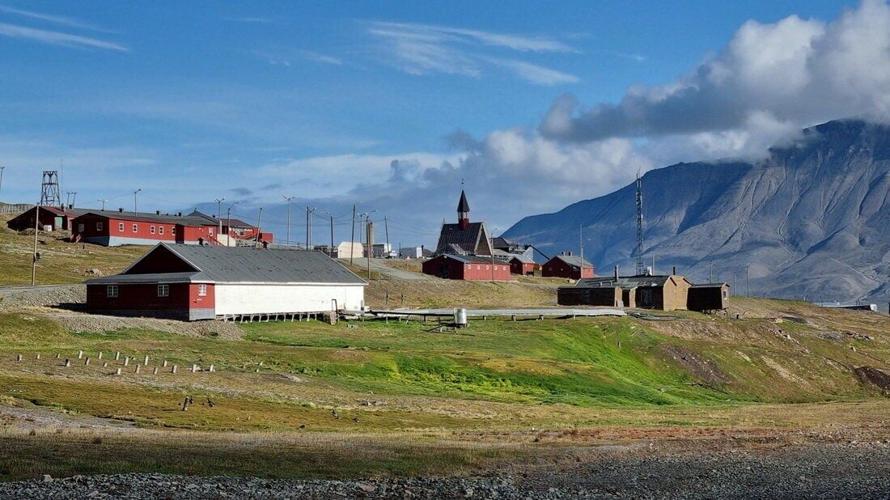

Human activity brings with it alien species and creates excellent conditions that allow them to become established in an otherwise barren Arctic landscape. (Kristine Bakke Westergaard, NTNU via SWNS)
By Stephen Beech
Thousands of alien species could invade the Arctic, warns a new study.
Warmer temperatures and more tourists make it easier for non-native plants and animals to get a foothold in far northerly outposts, say scientists.
Species that are not native to an area can displace ones that already live there.
It is considered one of the greatest threats to species diversity on Earth, according to the Intergovernmental Panel on Nature (IPBES).
Now, researchers have catalogued which alien plants may pose a threat to plants in the Arctic.

Professor Kristine Bakke Westergaard found in a new study that warmer temperatures and more tourists make it easier for non-native plants and animals to get a foothold in far northerly outposts. (Nina Tveter / NTNU via SWNS)
Conservationists described the findings, published in the journal NeoBiota, as "concerning" - especially at a time when it has probably never been easier for alien species to spread.
Professor Kristine Bakke Westergaard said: "We found a total of 2,554 species that would find a suitable climatic niche in today's Arctic."
She says that means those plants have a chance of making it in the Arctic if they manage to find a way there.
One of the most probable transport mechanisms is hitchhiking on, or with, humans.
Westergaard, of the Norwegian University of Science and Technology (NTNU) in Trondheim, Norway said: "Our results show that alien species from virtually all over the world can find a niche in the Arctic.
"And with all the human activity in the Arctic now, there are lots of opportunities to get there."

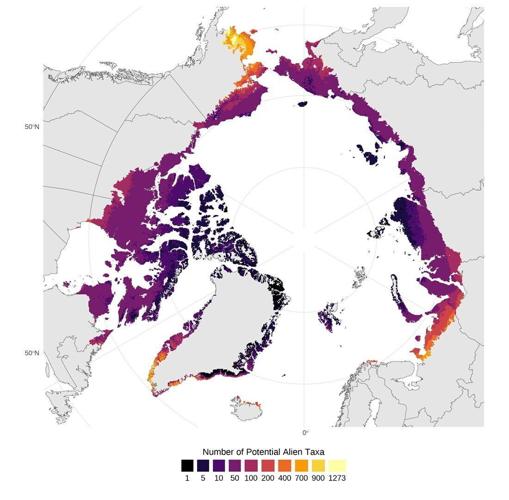
This map shows hotspots for possible new alien vascular plants in the Arctic. The lighter the color, the higher the number of potential species per 1 x 1 km. (NTNU University Museum via SWNS)


She and her colleagues from the Department of Natural History and the University of Liverpool have conducted what is called a "horizon scan".
Westergaard said: "We looked at roughly 14,000 known alien plant species that can spread to places where they do not originally belong."
The research team used data from more than 51 million known occurrences of those species to create a map that provides an overview of the most threatened areas.
First author Tor Henrik Ulsted said: "Our map shows hotspot areas in the Arctic where many alien species can tolerate the climate.
"The highest number of species are found in the north of Norway."

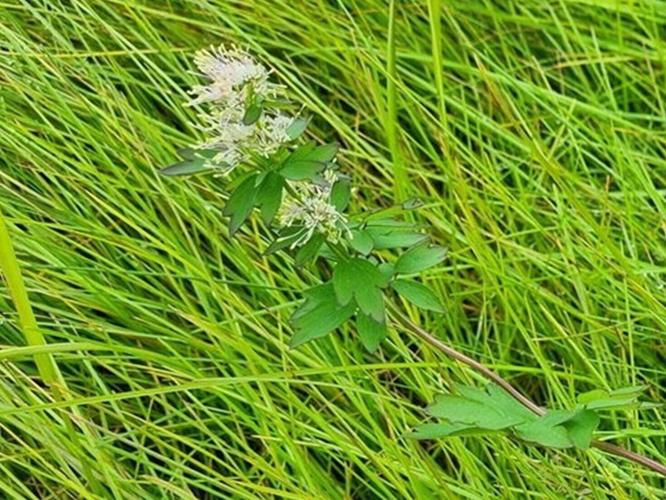
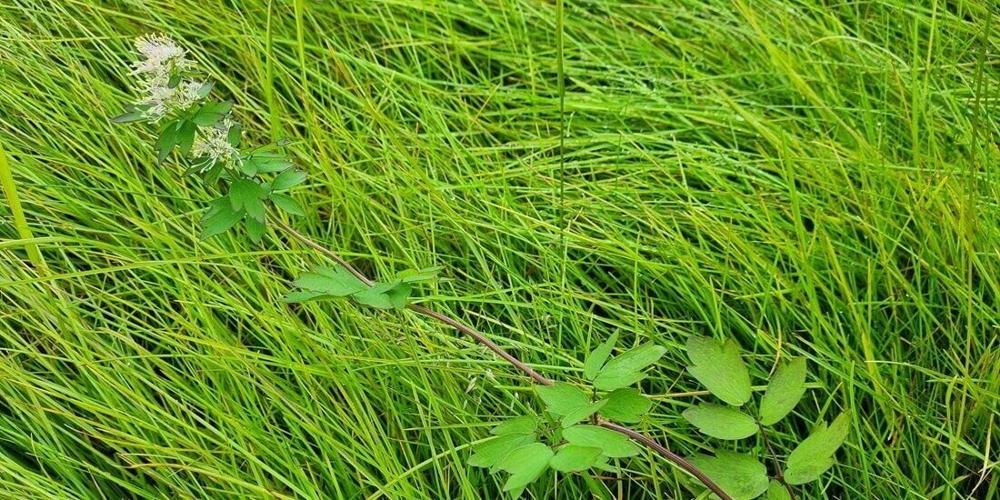
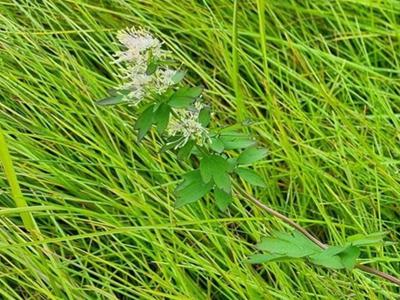
In recent years, a surprisingly large number of alien species have managed to flourish in Svalbard, Norway. In 2024, common meadow rue, Thalictrum flavum, was identified for the first time in Svalbard, in full bloom on a nutrient-rich slope in Barentsburg. (Kristine Bakke Westergaard / NTNU via SWNS)
Few, if any, places in the Arctic are completely safe, including the Svalbard islands, according to the researchers.
Westergaard, who has found and studied alien species there herself, said: "Even in Svalbard, 86 alien species can find a climatic niche."
She says conditions in the north are changing rapidly.
In recent years, it has generally become warmer in the Arctic, meaning that more and more alien species can find a possible niche where they can thrive.

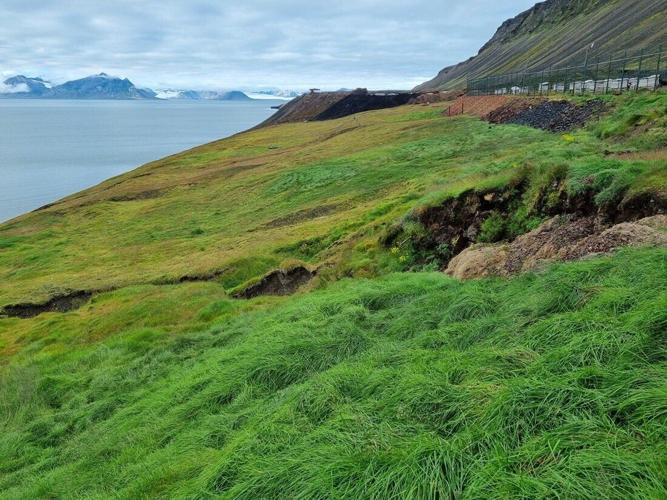
The slope below the old barn and farm buildings in Longyearbyen is very nutrient-rich after manure and food scraps were dumped there for years. It's a great place where new alien species can get established. (Kristine Bakke Westergaard / NTNU via SWNS)
The Norwegian Biodiversity Information Center's expert committees for Norway and Svalbard assess the risk of alien species in different areas.
Westergaard said: "These committees have long found it to be very laborious, almost impossible, to make a list of relevant species that should be assessed as possible new alien species."
Mr Ulsted added: "Our long-term goal is to help identify alien species before they become invasive and problematic."
It is much more effective to identify and manage invasive species as early as possible rather than waiting until they are well established, according to the research team.





(0) comments
Welcome to the discussion.
Log In
Keep it Clean. Please avoid obscene, vulgar, lewd, racist or sexually-oriented language.
PLEASE TURN OFF YOUR CAPS LOCK.
Don't Threaten. Threats of harming another person will not be tolerated.
Be Truthful. Don't knowingly lie about anyone or anything.
Be Nice. No racism, sexism or any sort of -ism that is degrading to another person.
Be Proactive. Use the 'Report' link on each comment to let us know of abusive posts.
Share with Us. We'd love to hear eyewitness accounts, the history behind an article.