





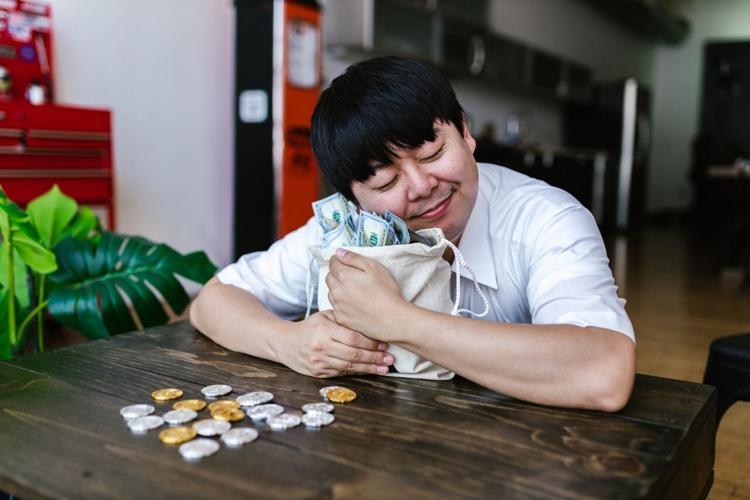




(Photo by kaboompics via Pexels)
By Stephen Beech
Relationships matter more than almost anything else when it comes to happiness, according to new research.
And more money doesn’t mean more happiness, suggests the study.
Thirteen leading well-being scientists took part in a Zoom call to discuss what their collective 600 years of happiness research and their own lived experiences reveals about living a good life and the future of the field they helped to create.
Their reflections, were reported in a paper in the Journal of Happiness Studies, has led to many of them consciously spending more time with loved ones after seeing the evidence.

(Photo by Gustavo Fring via Pexels)
Co-author Lara Aknin said: “Happiness emerges from a symphony of factors, but if I had to pinpoint one secret to happiness, relationships with other people might be it.
“Having relationships is one of the most reliable predictors of happiness that has emerged from a robust body of evidence spanning the social sciences.
“We know that having just one person you can count on is extremely consequential.
“Having more relationships and more communities that you feel a part of compounds that sense of well-being.”
As well as the importance of relationships, the research also suggests that wealth doesn’t equate to happiness.

(Photo by RDNE Stock project via Pexels)
Aknin, of Simon Fraser University in Canada, said a comfortable income and financial security are important foundations — but once your basic needs are met, added income has less impact on happiness.
The study also suggests that meaningful work contributes strongly to happiness.


Aknin said: “Happiness comes from doing work and activities that feel worthwhile and aligned with your values.”
Several researchers said they have applied findings from happiness science to their own lives — such as expressing gratitude, savoring positive experiences, investing in relationships, listening more deeply, volunteering and being more socially engaged.
But Aknin says happiness is not about feeling good all the time.

(Photo by Andrea Piacquadio via Pexels)
She said: “Well-being grows when people shape their lives around their values, strengths and relationships, and learn to adapt when circumstances change.”
The researchers also talked about well-being as a journey.
Aknin says generally happy people aren’t constantly happy, nor is happiness reserved only for people with ideal lives, perfect circumstances or a natural sense of optimism.
Instead, she said it can be developed through conscious choices, self-awareness and adaptation, even when life gets hard.
Some of the leading models on happiness suggest that around 10% of someone’s happiness is attributable to their life circumstances — things that are big and relatively difficult to change, such as where they live, their age, their employment status or their relationship status.

(Photo by Pavel Danilyuk via Pexels)
But as much as 40% of happiness is related to “volitional activities” or how people choose to spend their time.
Aknin said: “That leaves a lot of opportunity for people who may be more innately pessimistic to start practicing research-backed strategies like meditation or gratitude that might help them see the world in a more positive way.”
She added: “With many large and threatening realities taking place in the world right now, I sometimes worry that the pursuit of happiness can seem trite.
“But one reason I remain committed to the scientific study of happiness is that happiness in and of itself predicts a number of valuable outcomes, including the motivation to help other people.
“When people feel they are doing well, they have the ability, the capability and the motivation to engage in world affairs — to take care of the people they love and take care of their communities.”


(0) comments
Welcome to the discussion.
Log In
Keep it Clean. Please avoid obscene, vulgar, lewd, racist or sexually-oriented language.
PLEASE TURN OFF YOUR CAPS LOCK.
Don't Threaten. Threats of harming another person will not be tolerated.
Be Truthful. Don't knowingly lie about anyone or anything.
Be Nice. No racism, sexism or any sort of -ism that is degrading to another person.
Be Proactive. Use the 'Report' link on each comment to let us know of abusive posts.
Share with Us. We'd love to hear eyewitness accounts, the history behind an article.