


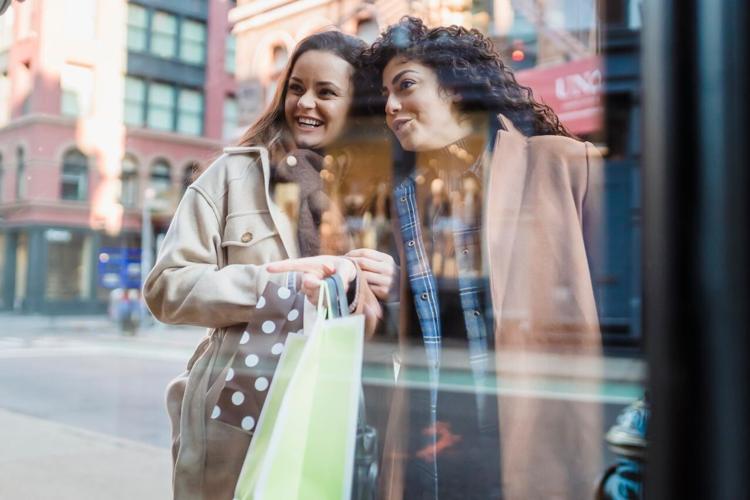
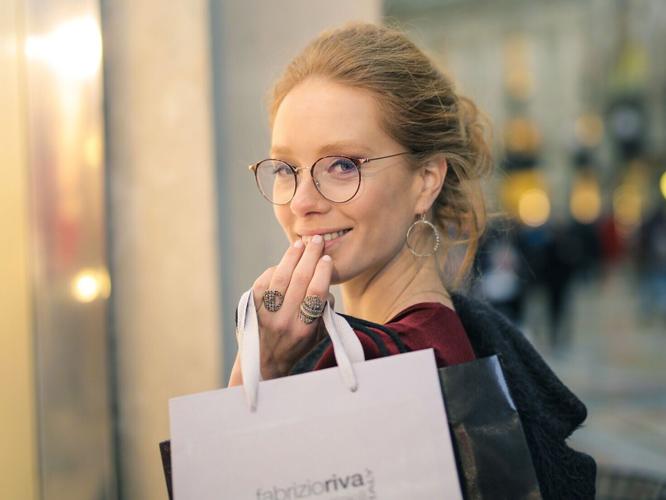

(Photo by Andrea Piacquadio via Pexels)
By Stephen Beech
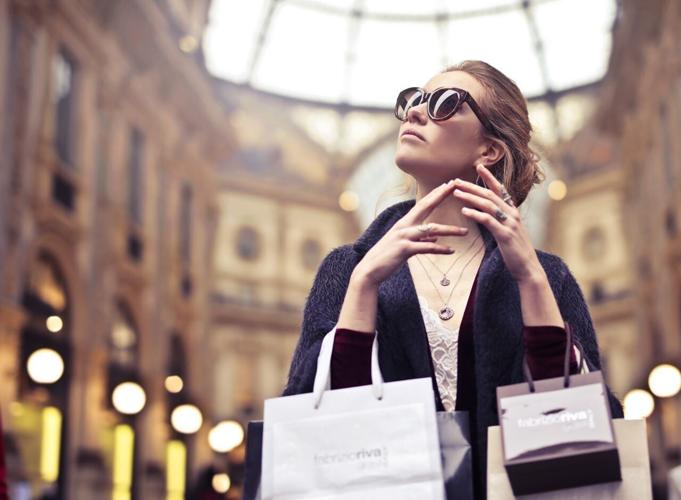
Women's love for bling may be driven by fertility, according to a new study.
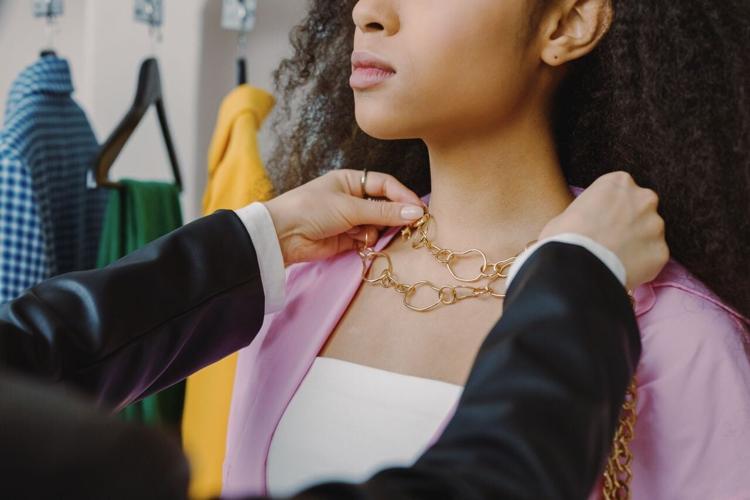
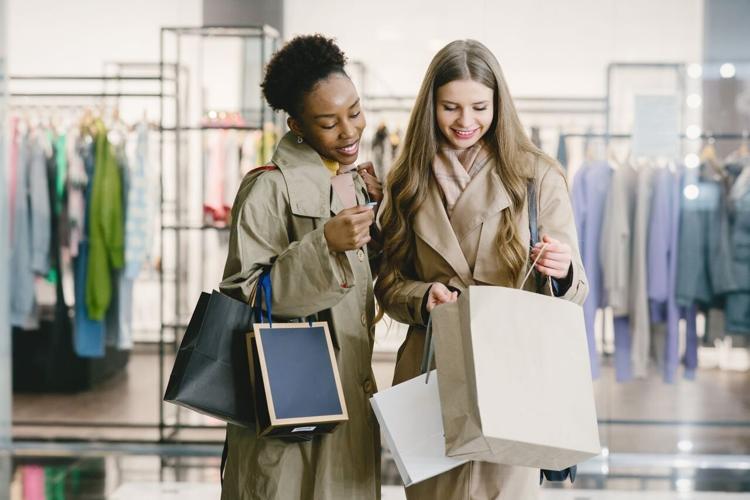
Researchers found that they show a "stronger desire" to buy "conspicuous luxury goods" — such as designer handbags, shoes and jewelry — during ovulation when they are most fertile.
Scientists say their findings suggest that a woman's drive to wear expensive status symbols — potentially to be noticed by men — is linked to hormonal fluctuations.
Study leader Aekyoung Kim said: "Consumers spend billions of dollars each year on high-end goods such as designer clothes and accessories, jewelry, and luxury cars, often to signal wealth and prestige.
"Women account for nearly half of the spending on luxury goods and services, in part to communicate their status."
Kim and her colleagues at Jeonbuk National University in Jeonju, South Korea, looked at whether, beyond seeking status, women display luxury goods to attract partners near ovulation, when estrogen levels increase and fertility is high.
The research team predicted that women near ovulation are more likely to prefer designer bags and shoes and display luxury in a conspicuous way, such as by wearing clothes with large logos that others will notice.

(Photo by Ron Lach via Pexels)
To investigate, they conducted a series of studies using urine samples to measure hormone levels and a survey method that estimated a woman's current phase in the menstrual cycle.
In the first, 70 female university students who were not on hormonal contraception were asked to draw logos of luxury brands — such as Gucci, Chanel and Louis Vuitton.
The participants drew larger logos near ovulation compared with the low-fertility phase of the cycle, supporting the idea that women prefer more conspicuous luxury during that time to help them be noticed by men.


In the second, 1,486 women who were not taking hormonal contraceptives were asked about their buying intentions for luxury and non-luxury brands.
The results showed that ovulating women have an increased desire to buy luxury consumed in public, but not in private.

(Photo by Gustavo Fring via Pexels)
Kim says that indicates that the increased desire for luxury near ovulation occurs because conspicuous luxury may increase the chance that women will be noticed.
The third study, involving 966 participants, showed that women near ovulation were more likely to choose a $100 gift certificate from a luxury brand — such as Polo Ralph Lauren — over a non-luxury brand.
But when they read about research findings showing that men don't notice women's designer clothes, they were less likely to choose a luxury brand, even when they were near ovulation.
Kim said the results, published in the journal PLOS One, provide further evidence that women who are near ovulation use conspicuous luxury consumption to be noticed by men.

(Photo by Tim Douglas via Pexels)
She pointed out that the experiments were not designed to produce causal evidence, and the findings don't apply to every context in which women attempt to attract men.
But, despite those limitations, Kim said the overall evidence provides support for the idea that women's ovulatory cycle can influence their behavior toward men, especially with regard to using bling to be noticed.
She added: "What we found most interesting is that the effect of ovulation on luxury desire is not simply a general increase in preference for expensive products.
"Rather, it appears to be socially strategic: the effect becomes stronger when luxury consumption is visible and personally relevant but disappears when women believe that men do not pay attention to such signals."


(0) comments
Welcome to the discussion.
Log In
Keep it Clean. Please avoid obscene, vulgar, lewd, racist or sexually-oriented language.
PLEASE TURN OFF YOUR CAPS LOCK.
Don't Threaten. Threats of harming another person will not be tolerated.
Be Truthful. Don't knowingly lie about anyone or anything.
Be Nice. No racism, sexism or any sort of -ism that is degrading to another person.
Be Proactive. Use the 'Report' link on each comment to let us know of abusive posts.
Share with Us. We'd love to hear eyewitness accounts, the history behind an article.