


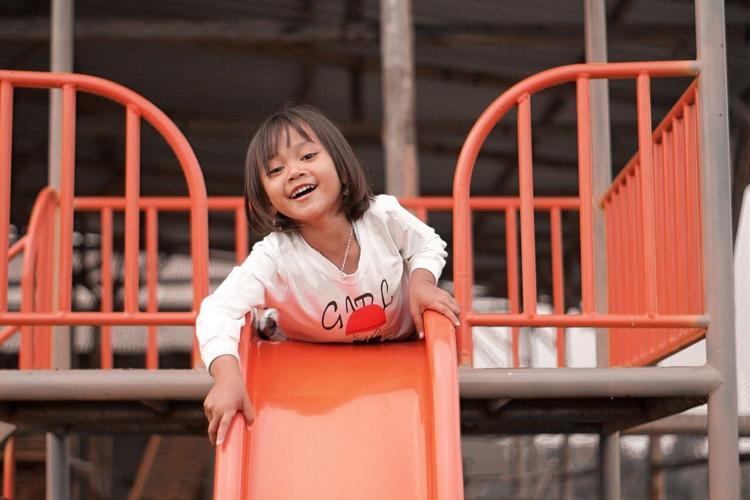
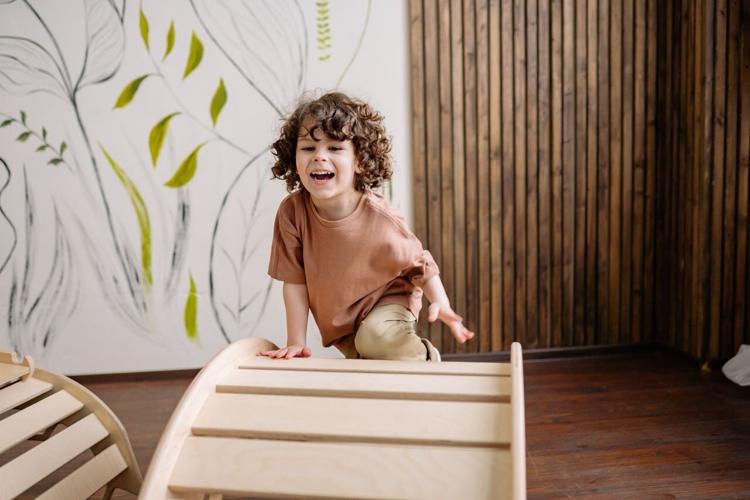

(Photo by cottonbro studio via Pexels)
By Stephen Beech
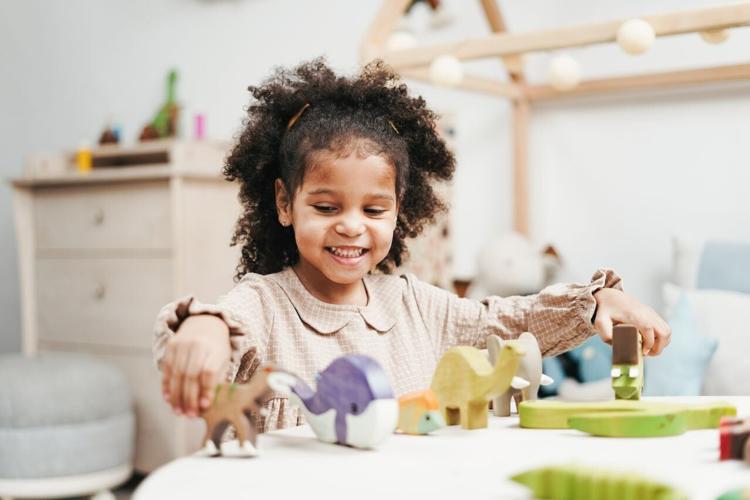
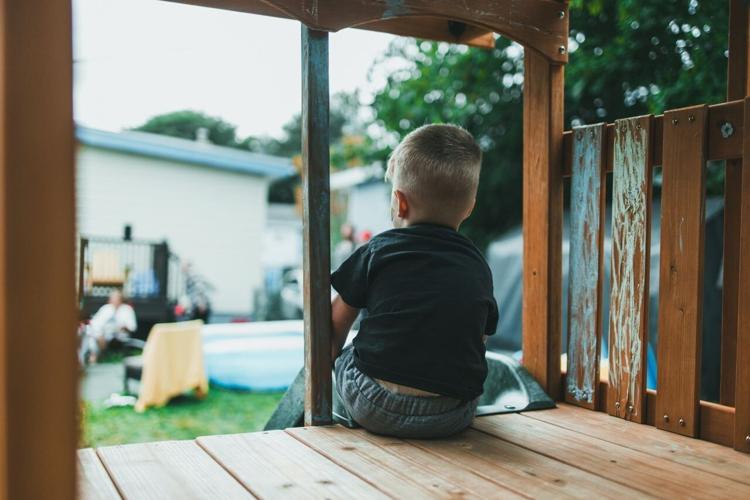
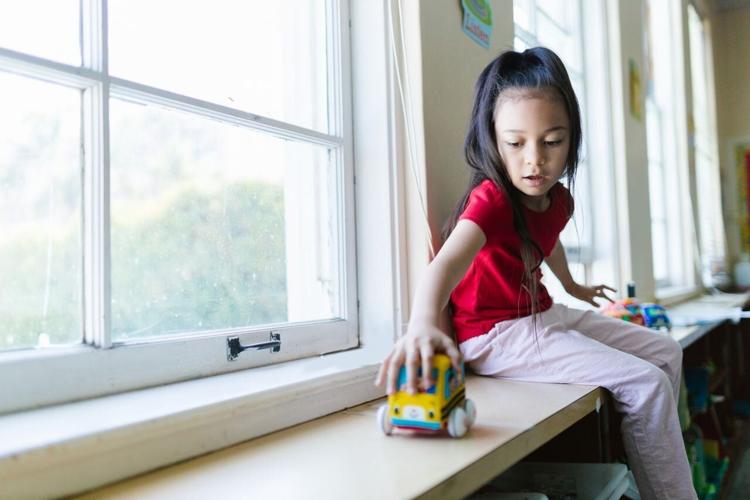
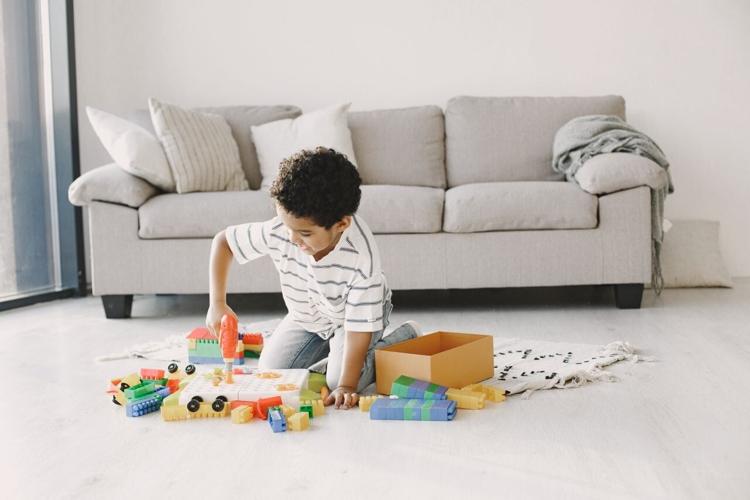
Children who play on their own may be happy after all, according to new research.
Beliefs about belonging and community create a "safe space" to play solo, suggests the study.
Researchers found that some school children who appear unsociable actually just prefer being alone, as long as they know they belong in a broader social setting.
They were aware that their peers would still invite them to play — even if they opted out from time to time.
That knowledge acted as a buffer against potential feelings of loneliness, according to the findings of the American study published in The Elementary School Journal.
But children who said they didn't think fitting in was important felt unhappy about their relationships with their peers.

(Photo by Jonathan Cooper via Pexels)
It could be that they didn't see a reason to maintain social connections — often turning down invites to play, according to the researchers.
As a result, those invites likely stopped coming, and then they began feeling left out and lonely.
With many children returning to school this week, the researchers said it's important to remind youngsters they can fit in with their peers — but not to force them into social interaction if they don't feel like it.
Study co-author Michele Lease, from the University of Georgia (UGA), said: "There are things we do because we know what's good for us.
"We go exercise. We eat our vegetables. We know it's important.
"We might not want to do it, but we do it because it's good for us.
"Social interaction is the same way. Turning down invitations, like avoiding exercise, leads to poorer outcomes."

(Photo by RDNE Stock project via Pexels)
The UGA research team analyzed answers from 473 fourth and fifth graders, aged 9- to 11-years-old, from several elementary schools in Georgia.
They were asked to identify classmates who prefer to play alone even though they get along well with others.
The children also self-reported how highly they valued belonging.
They were also asked about the quality of their relationships both one-on-one with friends and within a larger group setting such as a classroom.
The research team found youngsters who were identified by their peers as "not social" were often dissatisfied with their position in the class.


(Photo by Gustavo Fring via Pexels)
Those children were unhappy that they often sat alone at lunch or weren't approached first for reading groups.
But those withdrawn children were still able to maintain successful individual friendships.
Although that is a positive, the researchers pointed out that navigating group dynamics is an important skill during childhood.
Study corresponding author Rachael Pfanz, a doctoral student at UGA, said: "By fourth and fifth grade, peer groups are more established, children have developed stronger social skills, and they have more experience interacting with one another.
"At that point, they are better able to recognize who is regularly playing alone and who is becoming isolated."
The findings showed that children who didn't think fitting in was important were more likely to be dissatisfied with others at both a friendship and class level.

(Photo by chantika febriani via Pexels)
The researchers speculated that they turn down more invitations and become withdrawn, which translates into even more isolation from their peers.
However, youngsters who did value belonging but stayed off on their own felt just fine.
They were happy with their peers on both an individual and group level.
The researchers suggested that may be because those children accept enough social invitations to feel included but are also comfortable declining invitations when they don't feel like playing, knowing they'll have other opportunities in the future.
Pfanz said: "These kids prefer to be alone and do their own thing rather than playing with their peers, but they still have that other flip side of getting along well with others.

(Photo by Yan Krukau via Pexels)
"They will not always reject social invitations like the other group, though. If they're invited, they will sometimes participate and socialize with others.
"That higher importance of belonging drives them to engage in more social invitations when maybe they wouldn't want to, and that suits them well."
The researchers say parents and teachers should consider the findings when organizing group activities or before pushing a solo child into a social situation they don't want to participate in.
They said nudging a child toward a small, like-minded group of youngsters or encouraging them to accept invites occasionally can still go a long way in flexing their social muscles.
Pfanz added: "Maybe don't ask them to go join the big soccer game right away on the playground.
"That's a little overwhelming if they're already preferring to play alone.
"Instead, encourage those solo kids to go join a small group that has similar behaviors and see how that goes."


(0) comments
Welcome to the discussion.
Log In
Keep it Clean. Please avoid obscene, vulgar, lewd, racist or sexually-oriented language.
PLEASE TURN OFF YOUR CAPS LOCK.
Don't Threaten. Threats of harming another person will not be tolerated.
Be Truthful. Don't knowingly lie about anyone or anything.
Be Nice. No racism, sexism or any sort of -ism that is degrading to another person.
Be Proactive. Use the 'Report' link on each comment to let us know of abusive posts.
Share with Us. We'd love to hear eyewitness accounts, the history behind an article.