






Photo by Sveta K via Pexels
By Lauren Wilkin
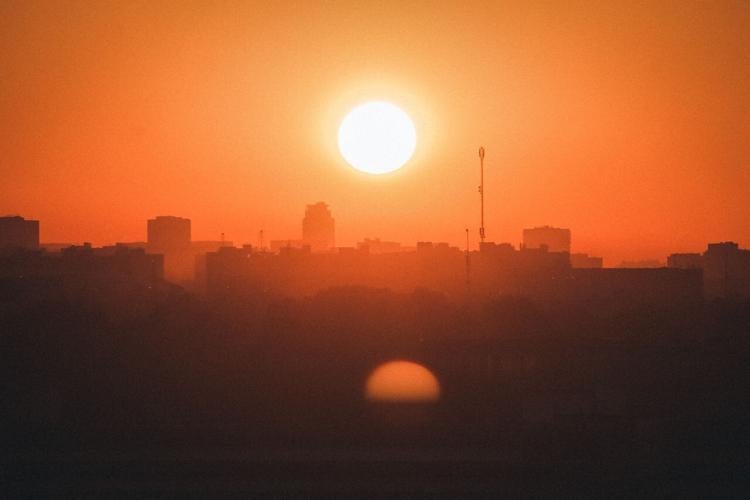
A red warning of "extreme temperatures" was issued for the UK, with parts set to reach 39 degrees Celsius (102 Fahrenheit) by Thursday.
In a statement released Monday, the Met Office said: "In addition to high daytime maxima, temperatures overnight will remain very warm, especially in larger urban areas."
Warnings of "tropical nights" have also been issued, which means temperatures won't fall below 20 degrees Celsius (68 Fahrenheit) at night.
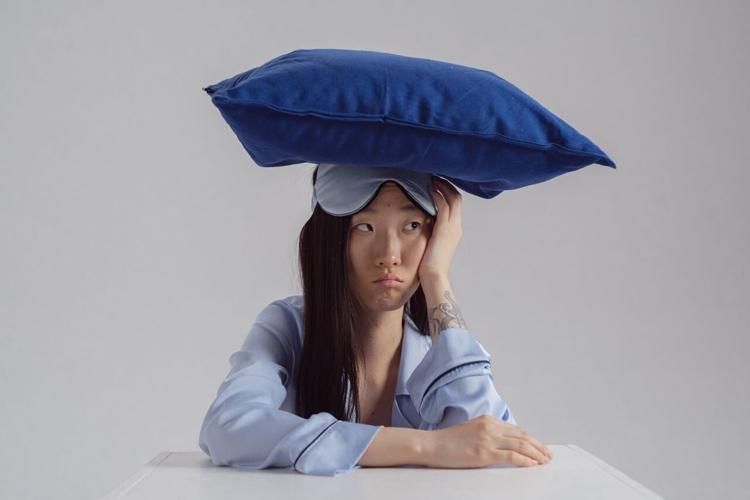
Because of this, millions of Brits are likely to find getting a good night's sleep an impossible task.
Lindsay Browning, a sleep expert with a doctorate in insomnia from the University of Oxford, has shared the hot weather sleep mistakes most people make and advice on how to sleep through the night amid soaring temperatures.
Five biggest sleep mistakes people make during a heatwave:

Photo by Andrea Piacquadio via Pexels
1. Opening bedroom windows
"Firstly, and most importantly, I prioritize keeping my bedroom as cool as possible during the day," says Browning, founder of Trouble Sleeping — a clinic offering sleep consultancy and therapy in Wokingham, Berkshire.
"Many people open their windows during the daytime when it’s hot outside, but if the air outside is warmer than inside, you’re actually letting this heat into the room."
For this reason, Browning says you should keep your blinds, curtains and windows closed during the day.
"Then open your windows later in the evening once the outside temperatures have started to fall and the sun is no longer heating the room," she explains.

Photo by Jana Ohajdova via Pexels
2. Eating spicy foods for dinner
"Heavy meals and spicy foods too close to bedtime can make you feel hotter at night," says Browning, as well as vigorous exercise.
"It's a good idea to deliberately try to cool yourself down before bed," she advises.
"A cool (but not cold) shower before bed can help to bring your body temperature down, as well as washing away any sweat that might have built up from a hot day."

Photo by Pixabay via Pexels
3. Sleeping naked


Many experts advise not to sleep naked.
While sleeping naked might seem like the best way to keep cool at night, wearing the right pajamas can actually be more effective.
"Many people find lightweight cotton pajamas and cotton bedding more comfortable in hot weather," says Browning.
This is because "they can help to wick away moisture," the expert explains. This means sweat is absorbed by the clothes, rather than staying on your skin.
However, Browning does say that "For some people sleeping naked is excellent during the hot weather because you can have a breeze across your skin, especially if you're using a fan."

Photo by cottonbro studio via Pexels
4. Using your normal bedding
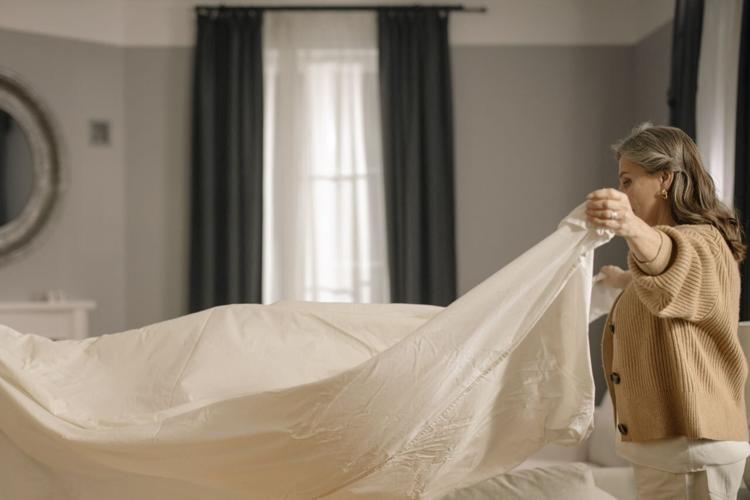
"If you haven't already, you might want to rethink your bedding during a heatwave," says Browning.
"Either make sure that you are using a very light tog duvet, or you may not need a duvet at all."
"A cotton sheet or an empty duvet cover can often feel much more comfortable. In fact, I personally bought a brand-new ultralight tog duvet this weekend due to this very heatwave."

Photo by SHVETS production via Pexels
5. Stressing about losing sleep
"Lastly, and extremely importantly, try not to panic if you can’t sleep," Browning advises.
"Heatwaves can (and often do!) make sleep more difficult, but worrying about not sleeping often makes the problem worse."
"Most people are surprisingly resilient at coping with a few nights of disrupted sleep, and your sleep will usually return to normal once temperatures cool down."
Why is it so difficult to sleep during a heatwave?
"As we fall asleep, our core body temperature naturally drops," says Browning.
"When the temperatures stay high overnight (such as during a heatwave or "tropical night"), our bodies find it harder to cool down, which can make it more difficult to fall asleep and stay asleep."
Browning says that this can lead to taking longer to drift off, waking up more frequently during the night and feeling groggy the next day.
"As a result, we may feel more tired, irritable or less able to concentrate the next day, as well as starting to become anxious about the next night’s sleep if the high temperatures are set to continue."


(0) comments
Welcome to the discussion.
Log In
Keep it Clean. Please avoid obscene, vulgar, lewd, racist or sexually-oriented language.
PLEASE TURN OFF YOUR CAPS LOCK.
Don't Threaten. Threats of harming another person will not be tolerated.
Be Truthful. Don't knowingly lie about anyone or anything.
Be Nice. No racism, sexism or any sort of -ism that is degrading to another person.
Be Proactive. Use the 'Report' link on each comment to let us know of abusive posts.
Share with Us. We'd love to hear eyewitness accounts, the history behind an article.