


As another season on Lake Winnipesaukee comes to a close and we look ahead to 2027, it’s a good time to reflect on what this year has taught us and how we can carry those lessons forward to better protect the lake we all love.
After starting the season with lake levels nearly eight inches above full in May, we experienced New Hampshire's seventh-warmest summer on record, with persistent drought conditions carrying over from the previous year. By September, Lake Winnipesaukee had dropped to nearly a foot and a half below full, exposing rocks, leaving docks high and dry, and creating challenges for boaters navigating shallow areas. It was quite a swing in just a few months and a reminder of how quickly conditions on the lake can change. But while fluctuating water levels were hard to miss, some of the most concerning changes happening beneath the surface aren't nearly as obvious.
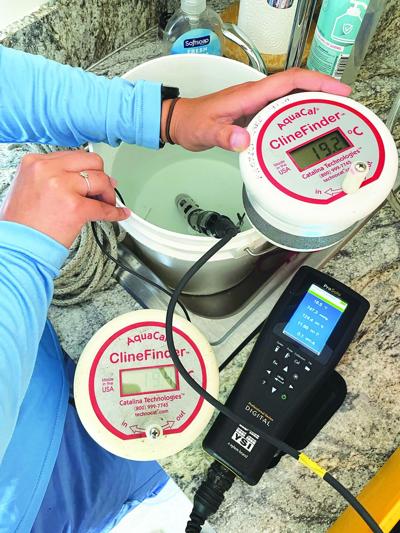
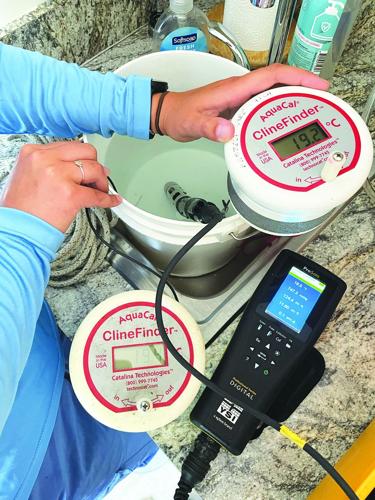
Throughout the summer, our dedicated staff and volunteers continued collecting water quality samples, monitoring tributaries, conducting plankton tows, and assisting with cyanobacteria monitoring and reporting. Their work contributes to decades of scientific monitoring that helped lay the foundation for one of the Lake Winnipesaukee Alliance's biggest milestones, the release of "Signs of Decline: State of the Lake Assessment." Drawing on more than 40 years of data, the assessment revealed troubling trends in nutrient concentrations, water clarity, cyanobacteria, and chloride concentrations, providing the clearest picture yet of how our lake is changing. But the most encouraging part is the public response. From well-attended private events and community presentations to conversations with concerned residents and widespread media coverage, we've seen tremendous interest in the findings and a growing recognition that protecting the lake's future will require all of us to play a part.
And while the summer season may be winding down, there is still plenty we can do to protect the lake before winter arrives.
Fall is one of the best times to tackle property maintenance projects that can benefit water quality. For those with lawns, consider aerating compacted soil to improve infiltration and reduce runoff. Healthy soil acts like a sponge, allowing rainwater and snowmelt to soak into the ground rather than flowing across the surface and carrying pollutants toward the lake. Fall is also a great time to identify bare or eroding areas around your property and take steps to protect them before winter. Covering exposed soil with natural mulch can help prevent erosion during heavy rains and spring snowmelt. It's also a good opportunity to start planning where native trees, shrubs, and groundcovers could replace areas of lawn next spring, helping to absorb stormwater, stabilize soil, and create valuable habitat for wildlife.
When it comes to leaves, resist the urge to clean up every last one. Fallen leaves provide important habitat for beneficial insects, help retain soil moisture, and return nutrients to the ground as they decompose. Where possible, leave them in garden beds, beneath trees, and along natural shoreline areas. Just be sure to keep them out of roads, culverts, drainage ditches, streams and the lake itself. Large accumulations in these areas can block drainage and contribute excess nutrients to our waterways.
It's also worth taking a walk around your property during the next rainstorm. Look for places where water is flowing off driveways, roofs, or compacted areas. Are there signs of erosion? Is runoff heading directly toward the lake? Or toward a culvert that eventually empties to the lake? Sometimes relatively simple changes, like redirecting a downspout into a vegetated area, maintaining a rain garden, or adding native plants along a shoreline, can make a meaningful difference. Just remember that any work involving soil disturbance near the shoreline may require permits.
For seasonal property owners, winterizing should go beyond shutting off the water and pulling in the dock. Make sure exposed soil is stabilized, drainage features are clear, and gutters and downspouts are directing water away from the lake. If you have a septic system, fall is also a good time to check your maintenance records and schedule an inspection or pumping if needed. Addressing small issues now can help prevent much bigger problems down the road.
Before the first snow flies, review your winter maintenance practices. Road salt doesn't disappear when the snow melts. It washes into our waterways, where chloride accumulates over time. Shovel or plow early, use salt sparingly, and ask your winter maintenance contractor about salt-reduction practices. If you use an aerator or bubbler to protect your dock, consider using a timer to keep only the smallest area of water open necessary. Excessive aeration creates dangerous thin ice and disrupts the lake's natural winter cycle. Ice cover helps maintain stable conditions for aquatic life and limits sunlight and wind exposure during the colder months. Remember to clearly mark any areas of open water or thin ice.
These may seem like small actions, but when you consider the thousands of properties surrounding Lake Winnipesaukee and throughout its watershed, their collective impact can be substantial.
If there's one thing I hope people take away from this season, it's that the future of our lake is not set in stone. We have a much better understanding of the challenges facing Winnipesaukee, and we have the knowledge and tools to address them. What matters now is how we choose to use that information.
As I wrap up another season of writing this weekly column, I want to thank everyone who has followed along, reached out with questions, shared observations, attended a presentation, or taken steps to protect the lake. One of my favorite parts of this work is getting to meet and learn from so many people who care deeply about Winnipesaukee.
Protecting Lake Winnipesaukee doesn't end when summer is over. The choices we make throughout the fall and winter are just as important. Thank you for another wonderful season, for caring about our lakes, and for being part of its future. Enjoy the quieter months ahead, take care of this beautiful place we are so fortunate to share, and I'll see you next year.
•••
Bree Rossiter is the associate director of the Lake Winnipesaukee Alliance, the only nonprofit dedicated to protecting the water quality and natural resources of Lake Winnipesaukee and its watershed through science, education, advocacy, and collaborative solutions. Her work focuses on advancing long-term watershed protection initiatives and connecting science with practical solutions to help preserve the lake for future generations. To learn more, visit winnipesaukee.org.


(0) comments
Welcome to the discussion.
Log In
Keep it Clean. Please avoid obscene, vulgar, lewd, racist or sexually-oriented language.
PLEASE TURN OFF YOUR CAPS LOCK.
Don't Threaten. Threats of harming another person will not be tolerated.
Be Truthful. Don't knowingly lie about anyone or anything.
Be Nice. No racism, sexism or any sort of -ism that is degrading to another person.
Be Proactive. Use the 'Report' link on each comment to let us know of abusive posts.
Share with Us. We'd love to hear eyewitness accounts, the history behind an article.