


LACONIA — Natural resources are very important to Belknap County’s economy and to why people choose to live, vacation and work here. Donations…
To The Daily Sun,Alton voters should please remember to cast their vote on June 6, between 7 a.m. and 7 p.m. at the Prospect Mountain High Sch…
Earlier this year, a proposal from the New Hampshire House sought to pause the practice of applying PFAS-containing sewage sludge to farmland in New Hampshire. But over the course of multiple packed hearings and after a handful of amendments, the bill’s provisions have changed shape, sparking concern among some early supporters. The latest twist in […]
LACONIA — Inclement weather forced the latest plastics collection event to be postponed, so weather permitting, members of the Unitarian-Unive…
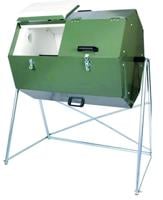
The Lakes Region Planning Commission is using an $87,300 grant from the U.S. Department of Agriculture to promote food waste composting to red…

The largest sewage spill in US history wasn’t the first, and it won’t be the last.
A 30-foot aluminum boat that made the business of doing one’s business on New Hampshire’s waters a little easier will not operate this summer.
(The Center Square) — New Hampshire lawmakers are advancing a bipartisan proposal to create a new statewide battery recycling program that critics have called a "hidden" tax on consumers.

MOULTONBOROUGH ― Author Duncan Watson will talk about waste management and recycling at the Moultonborough Library on April 7, at 6 pm. He wil…
With truckloads of trash juice laden with toxic PFAS arriving at its facility, a wastewater treatment plant in North Conway is considering investing in emerging technology to help remove the “forever chemicals.” Other towns in New Hampshire are exploring the technology, which is already used by some private companies, including Casella Waste Systems, to reduce […]