


(NAPSI)—U.S. workers are facing a tough job market for entry-level white-collar roles—yet some of the fastest-growing, most upwardly mobile careers remain widely overlooked. Consider this: Healthcare provides in-demand jobs students can prepare for through shorter, career-aligned training programs. Nurses and doctors tend to be the first roles that come to mind when thinking of healthcare. But there are several pathways into healthcare, including roles that many people have never heard of.
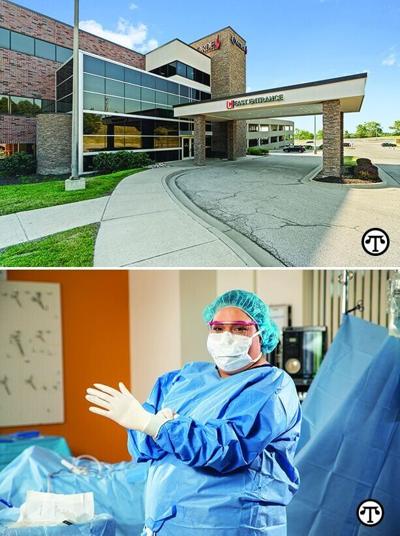
For example, at Concorde Career Colleges’ Kansas City Campus, students are preparing for a variety of rewarding healthcare roles. Whether you’re looking for your next step after high school or you’re mid-career and looking for a change, healthcare is worth exploring, especially if you want to make a difference in your own neighborhood.
“We’re hearing from students that they want to get their training done quickly and then get into the workforce to start working in a field that is in demand,” said Dr. Amanda Oppel, President of Concorde Career College–Kansas City. “Healthcare roles require hands-on skills that are harder to automate than typical office jobs. Whether taking vitals in a clinic, or assisting with surgery in the hospital, there’s always going to be a need for healthcare workers.”
Healthcare Careers You Can Start Sooner Than You May Think
Here are two examples of healthcare roles students prepare for at the Concorde Career College–Kansas City campus:
1) Radiologic Technologist
What They Do: As a Radiologic Technologist, you’ll perform diagnostic imaging exams, such as X-rays. A Radiologic Technologist works with physicians in hospitals, healthcare facilities, local medical centers, and imaging centers.
Who is a Good Fit: This program is very competitive and a good fit for focused students with an interest in math and science who want to make a difference in patients’ lives. People with strong interpersonal skills, patience, and attention to detail are a good fit for these roles.
Job Outlook: Nationwide, overall employment of radiologic and MRI technologists is projected to grow 5% from 2024 to 2034, faster than the average for all occupations. Locally in Missouri, projected growth for Radiologic Technologists is 8%.
Course Work: Course work emphasizes skills directly transferable to a real-world work setting including topics such as: anatomy and physiology, patient care in radiology, and advanced imaging. After graduation, students are prepared to take the American Registry of Radiologic Technologists (ARRT) examination to become Registered Technologists in Radiography.
How to Get Started: Concorde can help you take the first step in realizing your career aspirations in the diagnostic health care field as a radiologic technologist. An accelerated associate degree can be completed in as little as 20 months.
2) Surgical Technologist
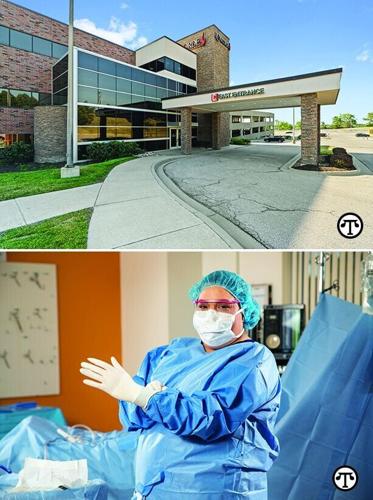
What They Do: Surgical Technology is an exciting field where you get to work alongside surgeons, physicians, nurses, anesthesiologists and other healthcare professionals. As a Surgical Technologist, you’ll help prepare operating rooms, equipment, and assist medical professionals during surgeries. Surgical Techs keep the operating room safe and organized. They help ensure procedures go efficiently and effectively. Professionals in this field:
- Prepare patients for procedures and care for them post-surgery
- Sterilize and manage supplies, instruments, equipment and facilities
- Assist surgeons during procedures
Who is a Good Fit: Someone who likes organization, works quickly, and is focused. This role is good for someone who wants flexibility and opportunities to travel.
Job Outlook: Nationwide, overall employment of surgical assistants and technologists is projected to grow faster than the average for all occupations. Locally, in Missouri, projected job growth for surgical technologists is 9% (from 2022 to 2032).
Course Work: Concorde puts you in the center of the surgical tech field through engaging coursework and hands-on learning experiences that prepare you for real-world work settings. You’ll complete 74 credit hours and 570 clinical hours to prepare for this field.
How to Get Started: Concorde can help you take the first step in realizing your career aspirations through an associate degree. The Surgical Technology program can be completed in as little as 17 months.
Funding Your Education
Funding options for students who want healthcare careers include loans, grants, and other types of financial aid for those who qualify. Some sample grants include:
- Healthcare Demand Grant (amount varies per program): The Healthcare Demand Grant is designed to assist new, enrolling students pursuing education in a healthcare program. No application process. All newly enrolled students are reviewed for eligibility.
- Previous Education Grant (up to $4,000 for Surgical Technology): The Previous Education Grant is designed to assist new, enrolling students pursuing education in a healthcare program who have previously graduated from an accredited post-secondary institution with an associate, bachelor’s or master’s degree.
Learn More
To learn more about these programs and others offered at Concorde Career College-Kansas City, visit https://www.concorde.edu/campus/kansas-city-missouri.
Word Count: 760
 "“Whether taking vitals in a clinic, or assisting with surgery in the hospital, there’s always going to be a need for healthcare workers,” says Dr. Amanda Oppel, President, Concorde Career College-Kansas City."
(0) comments
Welcome to the discussion.
Log In
Keep it Clean. Please avoid obscene, vulgar, lewd, racist or sexually-oriented language.
PLEASE TURN OFF YOUR CAPS LOCK.
Don't Threaten. Threats of harming another person will not be tolerated.
Be Truthful. Don't knowingly lie about anyone or anything.
Be Nice. No racism, sexism or any sort of -ism that is degrading to another person.
Be Proactive. Use the 'Report' link on each comment to let us know of abusive posts.
Share with Us. We'd love to hear eyewitness accounts, the history behind an article.