


As boating season begins, it may be tempting to think it's also time to swim. But local law enforcement officers are warning the public not to dip in too soon.
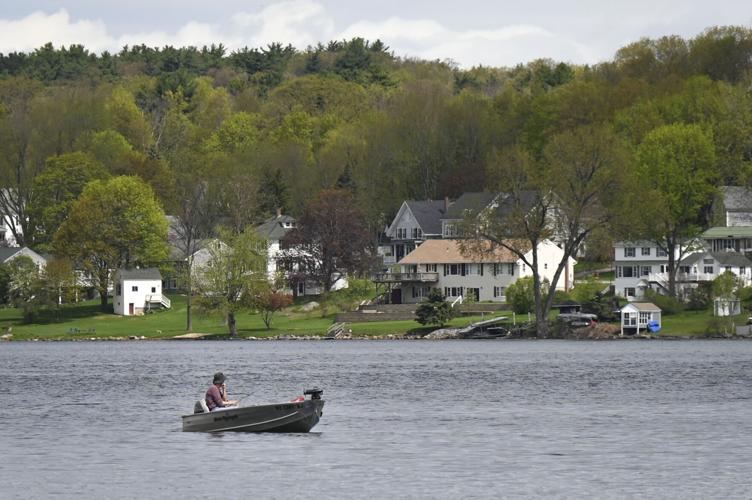
Alton Fire Chief James Reinert recalled an incident at the beginning of April, when a resident capsized a kayak while fishing. The kayaker was wearing a life vest, and was in the water for 10 minutes before bystanders were able to get them to shore.
“There was still ice in the lake at the time,” Reinert said. “Even with the ice out, we still have pretty frigid water temperatures.”
Marine Patrol officers are advising community members about the dangers of cold-water immersion in the spring and early summer, according to a recent press release. While the air may feel warm, water temperatures in lakes and rivers remain cold.
Even on a sunny day, cold water immersion can lead to shock, hypothermia and drowning in minutes. The risk is especially high in the Granite State, where water temperatures can remain below 60 degrees Fahrenheit through the month of June. While 60 degrees for air temperature sounds like a warm spring day, it’s the opposite for water.
“When you're on land, you we would imagine most people, even 60-degree temperature, they're properly clothed, they have some sort of insulation going on,” Reinert said. “Obviously, if you're in the water, even if you're clothed, everything is saturated with that cold water, and it just has that negative impact on you, and it will reduce your internal body temperature rather quickly.”
Falling into cold water can impair muscle function and mental faculties, and limit the ability to swim, which can quickly become life-threatening, even for strong swimmers. Reinert said the fire department does comprehensive cold weather training, including hypothermia and boat rescue exercises. Reinert also said it's always better to take precautions that prevent an emergency in the first place.
Other safety tips from Marine Patrol include always wearing a life jacket, checking the water temperatures before going out, making a plan and letting someone know where you are going and when you plan to return, and bringing a communication devices such as a marine radio or charged cell phone in a waterproof case.
Reinert said he anticipates several water emergencies throughout the year, as Alton is a lake community
“We hope we don't have to respond to these types of incidents, but being how large the lake is, how much the tourism, even our own residents that utilize it for recreation, things happen, and we're ready and able to respond.”
Marine Patrol will be actively patrolling New Hampshire’s water to ensure compliance with boating laws, and to educate residents and visitors about safe practices. Officers suggest boaters take a safety course, and review the state’s boating regulations at nhsp.dos.nh.gov/our-services/field-operations-bureau/marine-patrol/boat-registrations.


(0) comments
Welcome to the discussion.
Log In
Keep it Clean. Please avoid obscene, vulgar, lewd, racist or sexually-oriented language.
PLEASE TURN OFF YOUR CAPS LOCK.
Don't Threaten. Threats of harming another person will not be tolerated.
Be Truthful. Don't knowingly lie about anyone or anything.
Be Nice. No racism, sexism or any sort of -ism that is degrading to another person.
Be Proactive. Use the 'Report' link on each comment to let us know of abusive posts.
Share with Us. We'd love to hear eyewitness accounts, the history behind an article.