


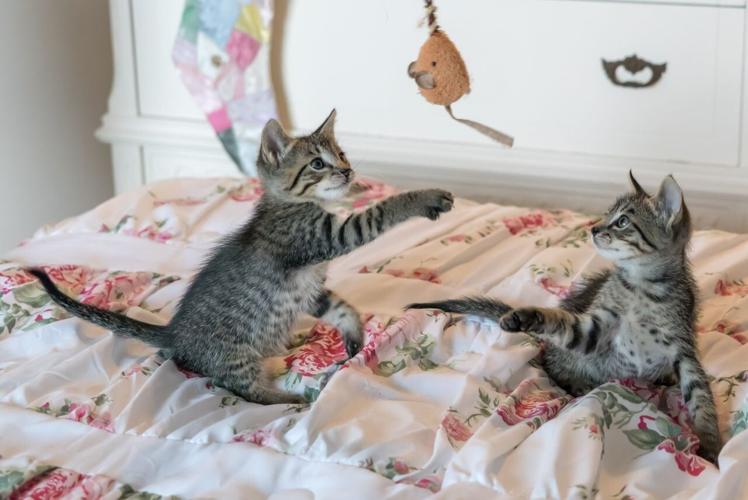
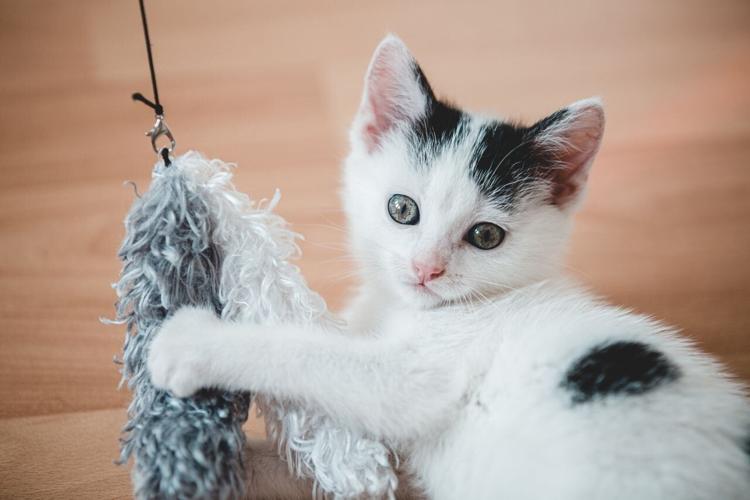
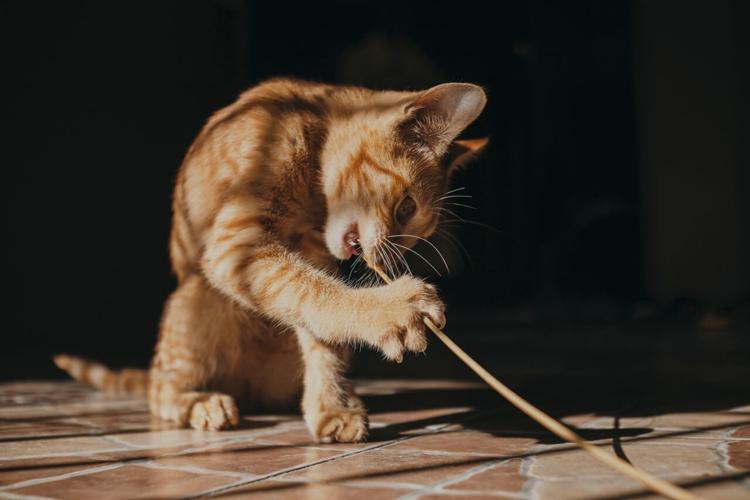
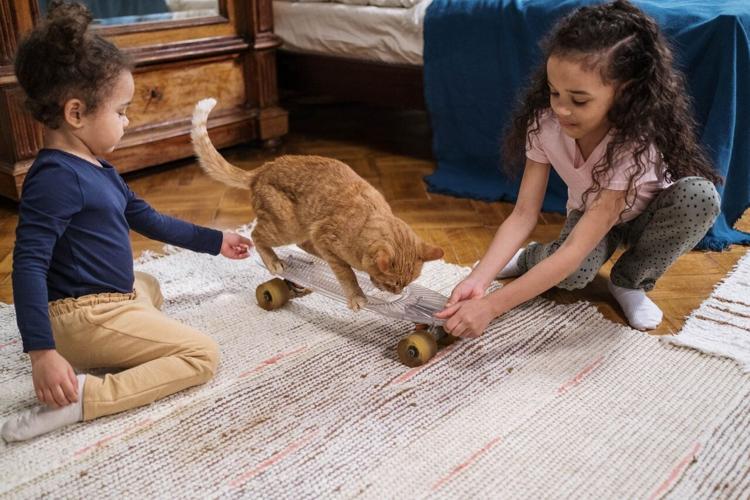

(Photo by Pixabay via Pexels)
By Lauren Wilkin
Research has revealed what many people think is "playing" with their cat is actually causing distress and harm to their pet.
The study, published in the journal Anthrozoos, analyzed 1,100 comments on social media videos hosted on YouTube, TikTok, Instagram and Facebook depicting harmful "play."
The videos included clear signs of cat distress such as hissing, biting, attempting escape, visible human injuries and, in some cases, cats being physically harmed.
To avoid viral videos disproportionately influencing analysis, only the first 100 comments from each video were analyzed.
Comments came from a mix of cat owners and non-cat owners.
Despite this, 75-93% of comments on all videos were positive.
This included comments like: "Anyone with a crumb of common sense can tell that this video isn't animal abuse."

(Photo by Anna Hinckel via Pexels)
And: "If she didn't want to, she'd run away."
With one user saying: "If they were really mad your arm would be dripping blood."
The study said that often comments reflected cognitive dissonance — the mental discomfort when our established beliefs clash with conflicting evidence.
They also observed common coping mechanisms our brains use to reduce cognitive dissonance such as denial, dismissal or becoming defensive.
The study broke down the comments into common themes in defense of the rough playing:


- If they didn't like it, you would know — believing "real" distress would be obvious
- Lost in translation — misconceptions about cat body language and preferences
- They just get it — assuming trust and understanding
- You'll win them over — pushing through dissent to establish bonding
- "That's cat love" — reframing dissent behaviors, and human tolerance of them, as expressions of love
- Satisfying the killer inside — fulfilling cat predatory needs with rough play
- ... But it's cute — overlooking dissent because of aesthetic "cuteness,"
- Just having a laugh — finding humor in cat displeasure
- "Karens take a seat" — defensive reactions to external criticism

(Photo by Nothing Ahead via Pexels)
"I was surprised at how many comments were positive," says Julia Henning, the lead researcher of the study and researcher at the School of Animal and Veterinary Science, at Adelaide University.
"I had expected to find a more balanced spread of negative and positive comments but at least 75% of commenters reacted positively to the videos.
"Even though they showed some really quite serious examples of cat distress and often human injury."
And playing in this way with your cat can have serious consequences.
"Forcing animals to play, interact with or cuddle us can damage our bond with them and causes them stress which can lead to behavioral problems, health issues such as UTIs and a lowered immune response," Julia says.
Julia and her research team are hoping the study will help educate pet owners.

(Photo by cottonbro studio via Pexels)
"I hope this study helps us recognize the need to give cats choice and agency within our interactions with them," Julia says.
"Learn to read your cat's subtle body language cues and make sure to respect their boundaries.
"Cats communicate discomfort or overstimulation long before they scratch or bite.
"Misinterpreting or ignoring these signs can lead to cat stress, behavioural issues, or accidental injuries for you or your cat.
"Always allow your cat choice in any interactions, make sure they have multiple exit routes if they want to leave, avoid rough play, and use a cat-wand or similar toy, not your hands."


(0) comments
Welcome to the discussion.
Log In
Keep it Clean. Please avoid obscene, vulgar, lewd, racist or sexually-oriented language.
PLEASE TURN OFF YOUR CAPS LOCK.
Don't Threaten. Threats of harming another person will not be tolerated.
Be Truthful. Don't knowingly lie about anyone or anything.
Be Nice. No racism, sexism or any sort of -ism that is degrading to another person.
Be Proactive. Use the 'Report' link on each comment to let us know of abusive posts.
Share with Us. We'd love to hear eyewitness accounts, the history behind an article.