


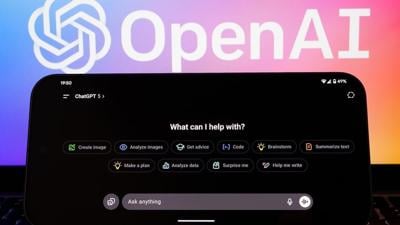
ChatGPT apps are here: What OpenAI’s new apps SDK means for marketers and developers
OpenAI just launched ChatGPT Apps and the Apps SDK, accelerating a marketing frontier where visibility, engagement, and commerce converge inside AI chat.
Users can now book trips, design presentations, or browse homes without ever leaving ChatGPT, while developers gain the tools to reach an audience of 800 million users.
In this post, WebFX explores what the ChatGPT Apps launch means for users, developers, and businesses as AI continues to evolve how search, shopping, and creation function in 2026.
What’s new: OpenAI launches ChatGPT Apps and Apps SDK
OpenAI has officially launched a new generation of ChatGPT Apps, transforming ChatGPT into a full app platform where users can seamlessly interact with third-party services through natural language.
Early partners like Booking.com, Canva, Coursera, Figma, Expedia, Spotify, and Zillow are already live, allowing users to design slides, plan trips, take courses, or browse homes without leaving chat.

Developers are now able to build with the new Apps SDK, which extends the Model Context Protocol (MCP) to create both the logic and interface of an app. Later this year, OpenAI plans to roll out an app directory, monetization tools, and support for Business, Enterprise, and Edu users — effectively creating the first “app store” for AI conversations.
How to use apps in ChatGPT
Using apps in ChatGPT is as simple as starting a conversation. You can call an app by name (“Spotify, make a playlist for my dinner party”), and ChatGPT will bring it directly into your chat, using context from the conversation to assist. The first time you use an app, ChatGPT will prompt you to connect it and confirm what data it can access.
ChatGPT can also suggest apps when they’re relevant to what you’re discussing, like Zillow if you’re talking about buying a home. These apps blend familiar interactive features like maps, playlists, and slides with natural conversation, letting you brainstorm, design, learn, and act in one place.
As more developers build with the new Apps SDK, the range of in-chat experiences will continue to expand and appear when you need them most.
How ChatGPT Apps changes the game for users and marketers
ChatGPT is no longer just a chat interface. It’s becoming the operating system for your daily workflow. With apps now built directly into ChatGPT, you can move from idea to action without switching between tabs or tools. Whether you’re booking a trip, creating a design, or researching a topic, everything happens inside one conversation.
What makes this experience notable is ChatGPT’s contextual intelligence. The model can recognize what you’re working on and surface relevant apps when needed, like suggesting Zillow if you’re talking about moving, or Canva if you’re brainstorming a presentation. Each app adapts to your goals in real time, blending natural language with interactive features like maps, playlists, and slides.
ChatGPT apps blur the line between AI chat and productivity. It’s not just about asking for help — it’s about getting tasks done, faster and more intuitively than ever before.
For marketers and developers, the opportunity is twofold: Build apps that show up natively in user workflows and optimize your brand’s presence, so ChatGPT recognizes and recommends it. Success in this new ecosystem depends on visibility signals that go beyond traditional SEO — combining AI relevance, trust, and experience.
Inside the developer side: Apps SDK
Behind this new generation of ChatGPT experiences is the Apps SDK, a toolkit built on OpenAI’s Model Context Protocol (MCP) — an open standard that connects ChatGPT to external data, tools, and APIs.
The SDK expands MCP’s capabilities, allowing developers to design not just how an app works, but also how it appears and interacts within the chat itself.
With the Apps SDK, developers can:


- Design both the logic and interface of their apps to create interactive, chat-native experiences.
- Integrate directly with their backend setups, enabling login and premium features for existing customers.
- Test apps in Developer Mode, previewing interactions and refining functionality in real time.
Because it’s open source, apps built with the SDK aren’t confined to ChatGPT. They can run anywhere MCP is adopted, paving the way for a broader ecosystem of interoperable AI experiences.
OpenAI has also released detailed documentation, design guidelines, and example apps to help developers get started. With these tools in hand, builders can shape what the next era of AI-powered, conversational apps will look like.
Early partners and what’s coming next
OpenAI’s first wave of ChatGPT app partners highlights the scale and versatility of what’s possible in this new ecosystem. Early integrations with Booking.com, Canva, Coursera, Expedia, Figma, Spotify, and Zillow are already live, offering everything from trip planning and home browsing to music discovery and design creation directly inside chat.
This is just the start too. The next wave of partners, including AllTrails, Peloton, OpenTable, Target, Uber, and others, will expand ChatGPT’s reach into fitness, dining, retail, and transportation. The Apps SDK is now open in preview, inviting developers everywhere to join early and shape a platform that’s poised to scale fast.
OpenAI isn’t stopping here. Over the coming months, ChatGPT will roll out features that bring the AI app ecosystem to full maturity, including:
- A public app directory where users can browse, search, and install ChatGPT apps.
- Monetization tools for developers to generate revenue from their creations.
- Expanded access for Business, Enterprise, and Edu users.
- Support for the Agentic Commerce Protocol, enabling instant checkout within ChatGPT.
These updates will position ChatGPT as the internet’s first large-scale app store for AI, connecting users, businesses, and developers through conversation-driven experiences.
Now is the moment to prepare. Developers can start building with the Apps SDK, and marketers can begin planning how to bring their brand’s experiences into ChatGPT — before the next wave of AI adoption hits.
Safety, privacy and review standards
With this expansion comes a renewed focus on trust and transparency. Every app in ChatGPT must comply with OpenAI’s usage and partner policies, ensuring all experiences remain appropriate, safe, and aligned with community standards.
Before connecting to an app, users are prompted to review and approve what data is shared, reinforcing privacy transparency at every step.
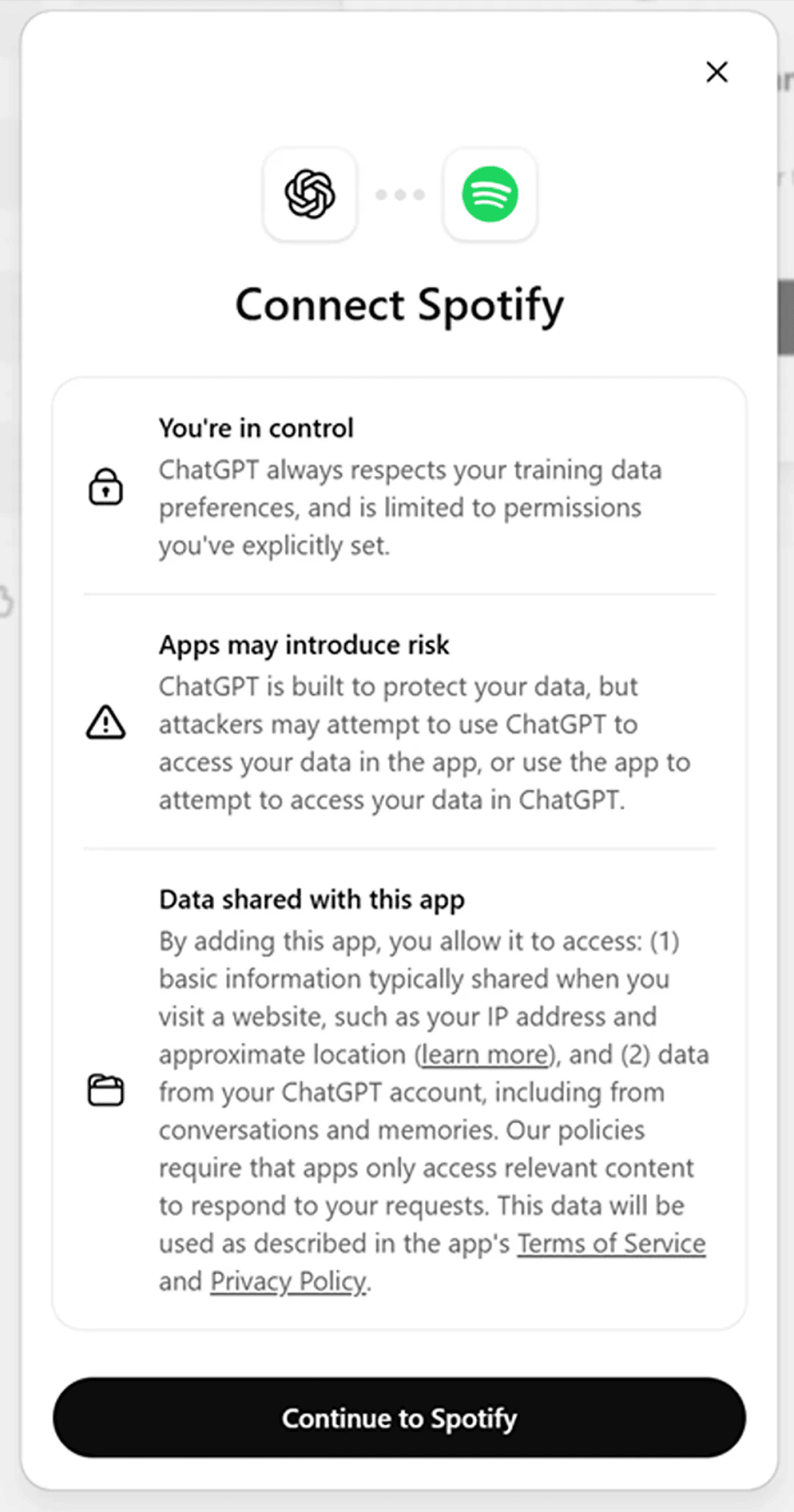
OpenAI has also introduced clear developer requirements: Apps must include explicit privacy policies, collect only necessary data, and remain transparent about how it’s used.
Looking ahead, OpenAI plans to roll out more granular data permissions and monetization guidelines, giving users finer control and developers clearer pathways to sustainable app growth. A draft of the developer guidelines is already available, setting the foundation for a safe, responsible, and user-first app ecosystem.
The bigger picture: What this means for marketers and businesses
For businesses and marketers, this launch marks the rise of conversational commerce where discovery, engagement, and conversion all happen inside AI chat. Users won’t just search for information; they’ll complete actions directly within ChatGPT.
That creates major opportunities for brands to:
- Build utility-based experiences inside ChatGPT, like product quizzes, booking tools, or recommendation engines that solve user problems in real time.
- Optimize AI visibility, ensuring your brand is the one ChatGPT suggests when users are exploring relevant topics.
- Develop branded mini-apps that engage audiences contextually — appearing naturally in conversations where your product or service fits.
For marketers, this is the next evolution of discoverability — moving from SEO and ads to AI visibility inside conversations. The Apps SDK gives forward-thinking brands a head start in this new channel, rewarding those who move early to build interactive, AI-native experiences.
This story was produced by WebFX and reviewed and distributed by Stacker.





(0) comments
Welcome to the discussion.
Log In
Keep it Clean. Please avoid obscene, vulgar, lewd, racist or sexually-oriented language.
PLEASE TURN OFF YOUR CAPS LOCK.
Don't Threaten. Threats of harming another person will not be tolerated.
Be Truthful. Don't knowingly lie about anyone or anything.
Be Nice. No racism, sexism or any sort of -ism that is degrading to another person.
Be Proactive. Use the 'Report' link on each comment to let us know of abusive posts.
Share with Us. We'd love to hear eyewitness accounts, the history behind an article.